During the journey, the Prophet (SAW) and his companion Abu Bakr al-Siddiq (RA) stopped to rest in a garden near the Ethiq Well, known as the Shade Garden. In the intense heat, Abu Bakr (RA) shaded the Prophet (SAW) with his robe, signaling to the people of Madinah that they were in the presence of the Messenger of Allah. Filled with joy, the people of Madinah greeted him with water and gifts.
]]>During the time of the Prophet Muhammad (SAW), there was a water shortage in Madinah, and the only well providing fresh water was owned by a Jewish man who sold it at high prices. Uthman ibn Affan, known for his generosity, purchased the well for the benefit of the Muslim community.
After acquiring the well, Uthman (RA) made its water free for everyone, turning it into a public resource. This act of charity earned him great respect among the Muslims, and it became one of his most well-known contributions to the early Islamic community.
]]>Initially, the well’s water was bitter and salty, causing illness for many who drank from it. It is reported that the Prophet Muhammad (SAW) was informed of this, and after placing his blessed saliva in the water, it miraculously became sweet and healthy by God’s will. Today, visitors can still stop by this well, located off the main highway, and taste the water’s sweetness.
]]>- Yusuf (عليه السلام) was the son of Yaqoob (عليه السلام). He had 11 brothers, 10 of whom were older than him. His father loved him dearly which made the other brothers envious and they decided to get rid of him. They took him with them to graze the animals intending to kill him but one of the brothers opposed killing him and said it would be better to throw him into the bottom of a pit (jubb). Allah (ﷻ) mentions this in the Quran in Surah Yusuf:“One among them said: Kill not Yusuf but, if ye must be doing, fling him into the depth of the pit; some caravan will find him.” [12:10]
- When Yusuf (عليه السلام) was cast into the pit, Allah (ﷻ) told him that he, Yusuf, would one day remind his brothers of this incident.“Then, when they led him off, and were of one mind that they should place him in the depth of the pit, We inspired in him: Thou wilt tell them of this deed of theirs when they know (thee) not.” [12:15]
- Years later, when Yusuf (عليه السلام) became the treasurer and inspector of Egypt’s storage chambers he met his brothers again, reminded them of what they had done and forgave them.
- Jubb Yussef is mentioned for the first time in the middle of the 10th century, but the current structure is of a later period. According to evidence of travellers, the pit, which had been 10 meters deep, had held good drinking water up until the 19th century. Afterwards, due perhaps to the earthquake of 1837, the pit collapsed and since then has not been mentioned as a source of water. The pit and cupola were located in a quadrangle which also had a small mosque; this was still mentioned by travellers in the 19th century, though nothing remains of it today.
- In the 12th and 13th century, the Crusaders accepted the Muslim story about the site. In the year 1189, Salahuddin passed through the site on his way to the Siege of Acre.
- There is disagreement as to the exact location of the pit in which Yusuf (عليه السلام) was thrown in. Some commentators have placed it in Jerusalem, while others say it was in Syria. Allah (ﷻ) knows best.
Reference: Wikipedia
]]>The origin of the Zamzam Well
- Ebrahim (عليه السلام) took his son Ismail (عليه السلام) and the child’s mother Hajrah (عليها السلام) to Makkah where he left them with only some water and dates as provisions. Once the provisions ran out, mother and son became thirsty and restless.
- Hajrah (عليها السلام) climbed up Mount Safa to see whether she could sight any people from whom she could get water. When she saw nothing, she crossed the valley and then climbed up Mount Marwah for the same reason. When she saw nothing here either, she started running from Safa to Marwah and back again in her anxiety.
- When she had done so seven times and was atop Mount Marwah, she heard a sound. When she returned (to where her son lay), she saw that an angel had struck his wing on the ground, causing water to gush forth from the spot. The name of the well comes from the phrase ‘Zome Zome’, meaning ‘stop flowing’, a command repeated by Hajra (عليها السلام) during her attempt to contain the spring water.
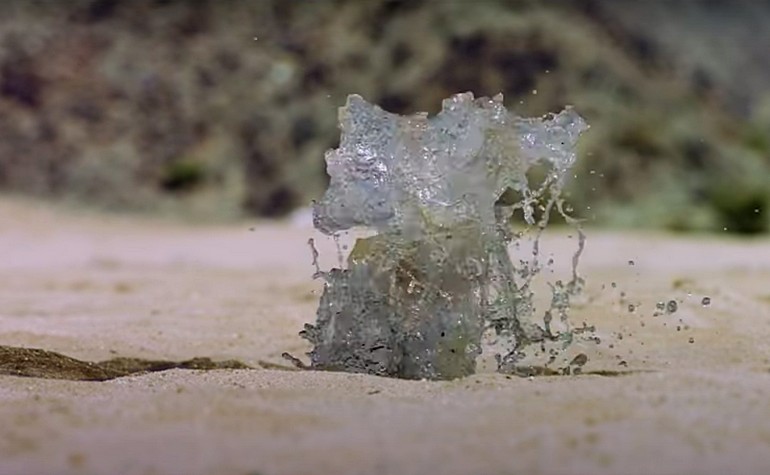
Prophet Ismail (عليه السلام) and his descendants first looked after the Zamzam Well
- When the Jurhum tribe from Yemen arrived in Makkah some time afterwards, they settled there and Ismail (عليه السلام) married one of them. It was the children of Ismail. (عليه السلام) who had the honour of looking after the Ka’bah and the Zamzam Well. After them the Jurhum tribe assumed responsibility.
- As time went on there was a major civil war between the tribes of the area to gain control over Makkah. The people of one tribe, who were in control of Zamzam, buried their weapons (made of gold and silver) and valuables in the Well of Zamzam. They then covered it and buried the well so that it was not discoverable. As the decades and centuries went by, people forgot about the Well of Zamzam existing there.
Abdul Muttalib rediscovers the Zamzam Well
- Myths and legends about the Well of Zamzam existed prior to the birth of the Prophet (ﷺ) but people weren’t sure if it had really existed.
- Abdul Muttalib, who would become the grandfather of the Prophet (ﷺ) had a dream for three successive days in which he was told to dig up something. However, the nature of what he had to dig wasn’t made clear.
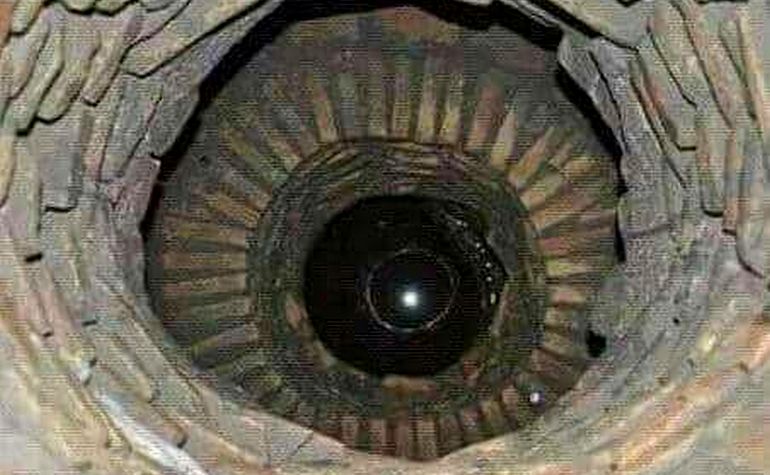
- However, on the fourth night he was told to go and dig up Zamzam. When he inquired what Zamzam was he was told it was something that will never expire and its water is always abundant. He was further told to look for ant hills where there will be crows pecking into the ground.
- Abu Muttalib took his son Al-Hadith and found ant hills and the place where crows are pecking, so they started digging. As they were digging, they began to unearthed the gold and silver weapons that had been buried there. As they kept digging, they further unearthed bricks of gold and silver coins and eventually came across the top of the well.
- At this point both father and son shouted the Takbeer which attracted the attention of others. People gathered around and realised that after centuries the well of their forefather Ismail had been found. Abdul Muttalib was granted custodianship of the well and its water.
- With all the gold and silver he found in the well, Abdul Muttalib melted it all down and built a door out of that for the Ka’bah
Custodianship is handed to Abu Talib
- After he passed away, the responsibilities passed on to his son, Abu Talib. Some of the responsibilities of Zamzam was to serve water to the Hujjaj, setting up tents for them, allocating containers for the water, hiring workers, and making arrangements to serve the water. This required a huge financial investment which bankrupted Abu Talib.
- Abu Talib took a loan of 10,000 dirhams from his brother Abbas. This money too was spent on the Hujjaj so he borrowed money again from his brother. Again, this money was spent on the Hujjaj so he approached his brother again. This time Abbas told Abu Talib that as he was unable to repay back the loans to hand over custodianship of the Zamzam Well to absolve himself.
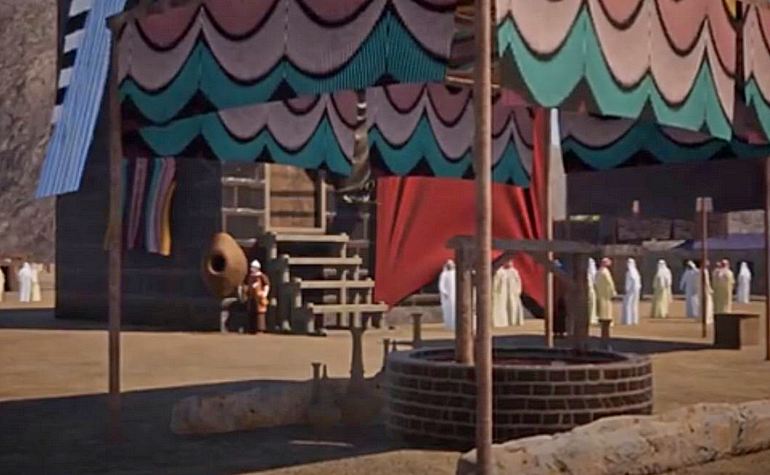
- Two basins were created around the Ka’bah. The one closest to the Ka’bah was used for drinking, the other was used for washing.
Custodianship to Abbas and his family
- This was agreed and Abbas became the custodian. The supervision of the well was subsequently passed onto his son Abdullah, then to his son Ali, then his son Dawud, then his son Sulaiman, then his son Isa. After that the Zamzam Well was inherited by Isa’s brother Al Mansoor who was a king. After that it was passed on among the Umayyad dynasty.
The Prophet’s (ﷺ) heart is washed
- When the Prophet (ﷺ) was a young boy and playing with other children near Haleemah As-Sadiyah’s house, Jibraeel (عليه السلام) appeared and made him lie down. He then opened up the boy’s chest, took out his heart and extracted a lump of flesh from it, saying: “This is the portion of Shaitan in you”. Then he put his heart in a golden tray filled with Zamzam water, washed it and replaced it in his chest. Anas (رضي الله عنه) later said that he saw the scar on the Prophet’s chest where it had been sewn back together.
The blessings of Zamzam water
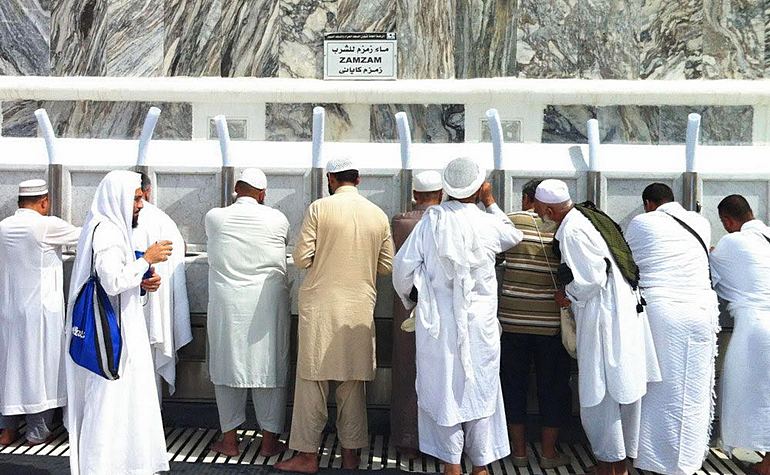
- There is healing power in Zamzam. Ibn Abbas (رضي الله عنه) reports that the Prophet (ﷺ) said, “The best water on the face of the earth is the water of Zamzam. In it is complete nourishment and healing from sickness.” [At-Tabarani]
- Jaabir (رضي الله عنه) says, “I heard the Messenger of Allah (ﷺ) say: ‘Zamzam is a cure for any purpose for which it is drunk’.” Another Hadith states, “If you drink it to quench a thirst, it will do so, and if you drink it to fill the stomach in place of food, it will do so, and if you drink it for a cure from some illness, it will do so.” [It-Haaf]
- Ibn Abbas (رضي الله عنه) reports that when the Prophet (ﷺ) drank Zamzam he said the following prayer: “O Allah, grant me beneficial knowledge, abundant sustenance and a cure from all diseases.”
Reference in the Bible
- The Bible makes a reference of the miracle of Zamzam when it talks about the passing through of Ismail (عليه السلام) and his mother through the valley: “Blessed is the man whose strength is in Thee; in whose heart are the ways of them who passing through the valley of Bacca make it a well.” [Psalm 84:5-6. Note that the Quran also refers to Makkah as Bakkah]
Some facts and figures about the well
- The Zamzam Well is located 21 meters from the Ka’bah, towards the side of the Maqame Ebrahim.
- Its depth is approximately 31 meters.
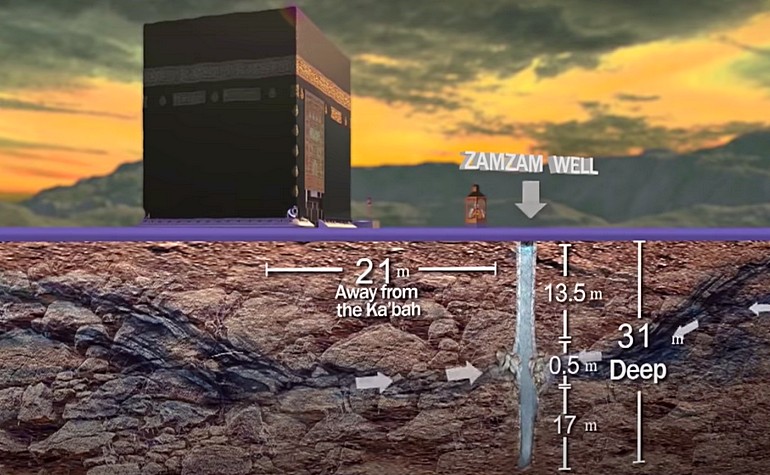
- The water comes from two springs, one from the Ka’bah direction, the other from Mount Abu Qubais.
- Water used to be drawn manually by bucket, electric pumps now pump water into tanks.
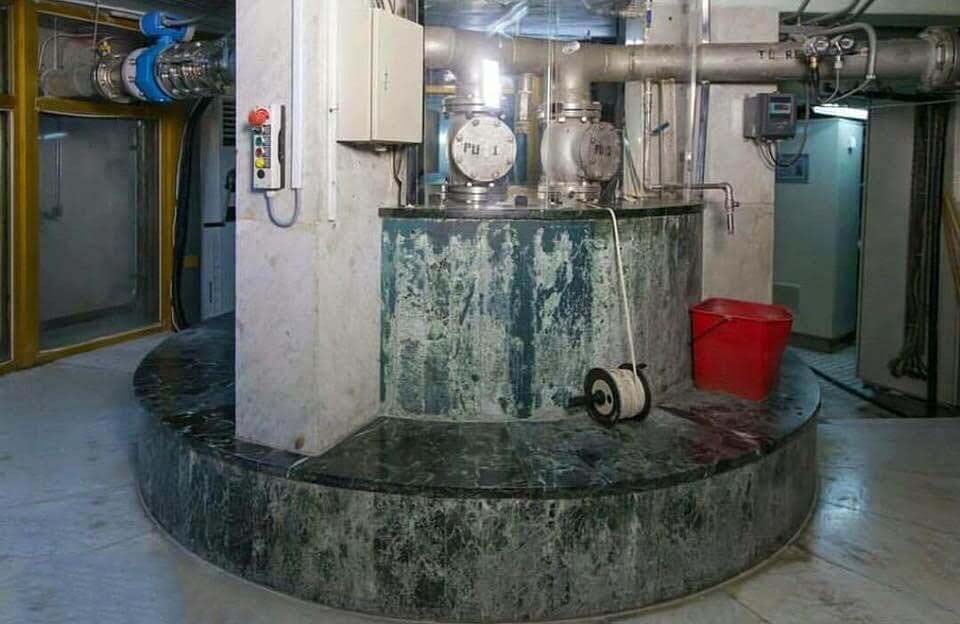
- Two pumps work alternatively to extract the water.
- At a minimum they pump 11 litres per second. At the maximum level they can pump 18.5 litres per second.
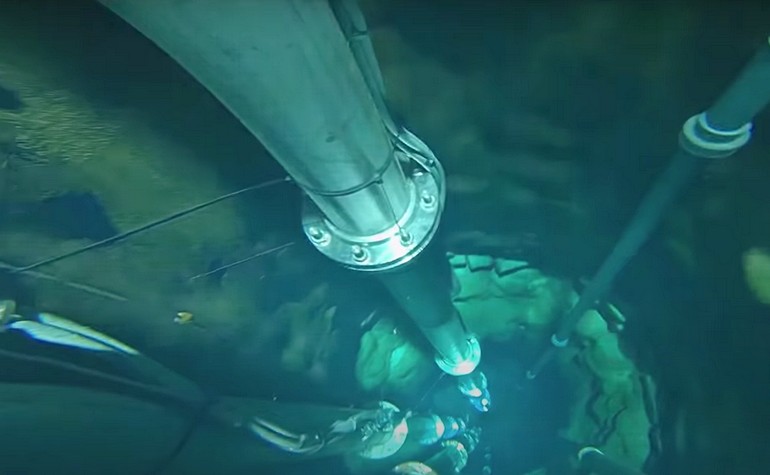
- Normally they pump 150,000 litres per day. In busy periods, such as Ramadhan and Hajj, 400,000 litres is extracted.
- Water is transmitted to the King Abdullah bin Abdul Aziz plant in the Kuday through special pipelines to be processed and bottled.
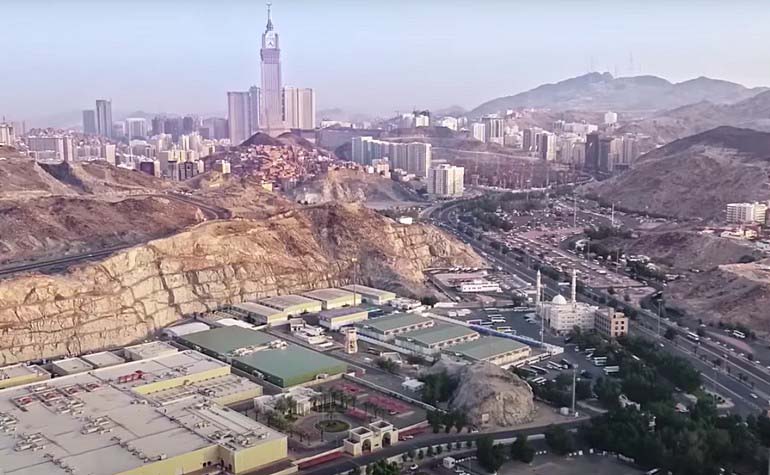
Historic photos
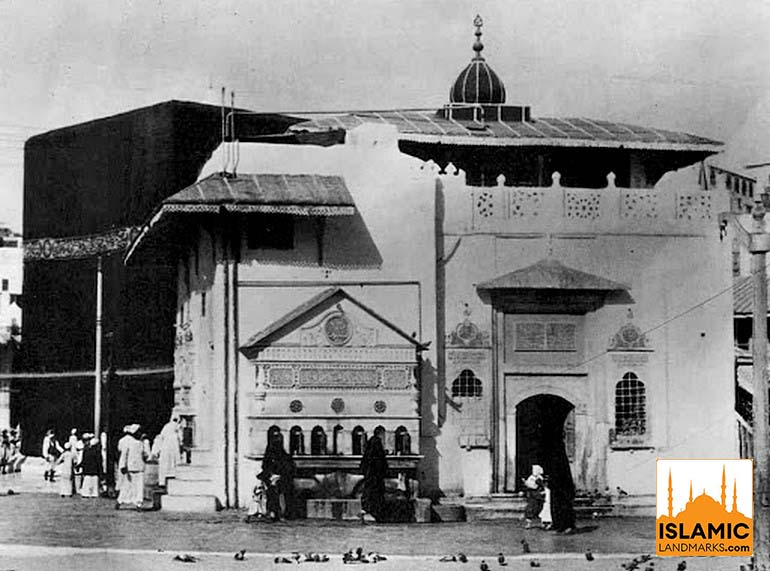
- During Ottoman times the Zamzam Well was housed within a building on the Mataf. This was demolished in the 1960s to ease the flow of worshippers on the Mataf.
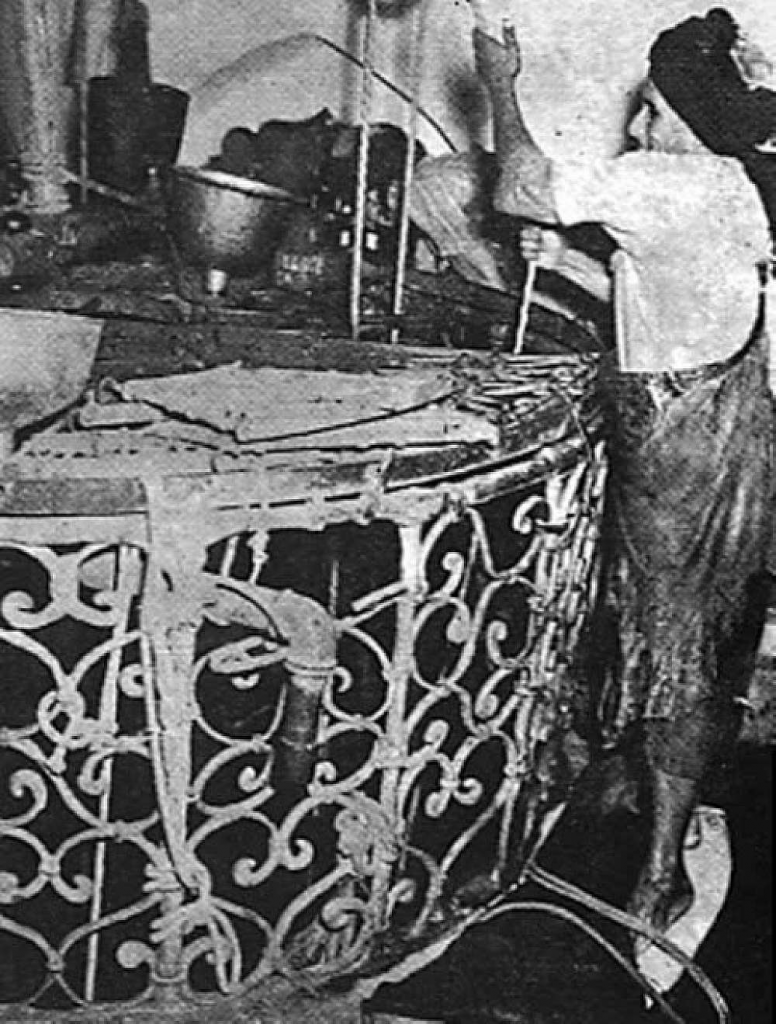
- Up until 1953 Zamzam water would be drawn out manually by bucket.
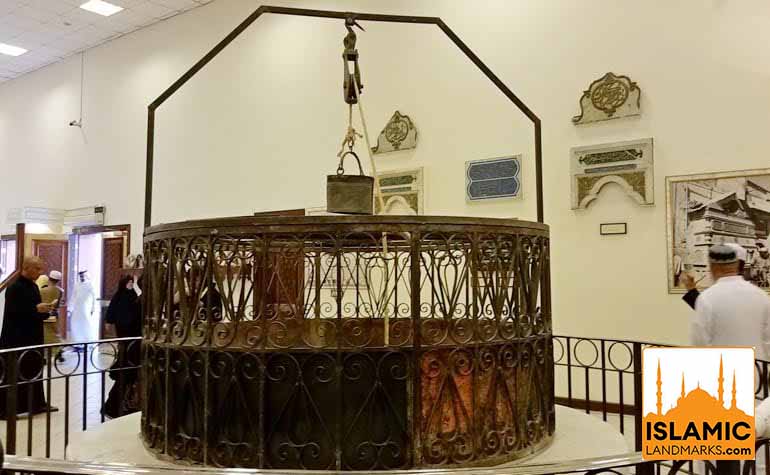
- The old well structure is displayed in the Makkah Museum.
References: The History of Makkah Mukarramah – Dr Muhammad Ilyas Abdul Ghani, Holy Makkah – Shaikh Safiur-Rahman Mubarakpuri, When the Moon Split – Shaikh Safiur-Rahman Mubarakpuri, Virtues of Hajj – Sheikh Zakariyya Kandhalvi, Muhammad – Martin Lings, Wikipedia, Documentary: Zamzam The Blessed Water
]]>Water gushes from the Well of Hudaybiah
- The Prophet (ﷺ) and the Sahabah camped at Hudaybiyah for a few days during which the ‘Pledge of Ridwan’ and Hudaybiah peace treaty occurred. It was also at Hudaybiyah that some miracles materialised at the hands of the Prophet (ﷺ), adding to the historical significance of the area.
- Baraa (رضي الله عنه) narrates that the Sahabah numbered fourteen hundred at Hudaybiyah and there was only one well there which had dried up because of constant use. The Prophet (ﷺ) went to the edge of the well and spat a mouthful of water into it. Immediately, water started gushing from the well and all the Sahabah had enough water for themselves and for their animals.
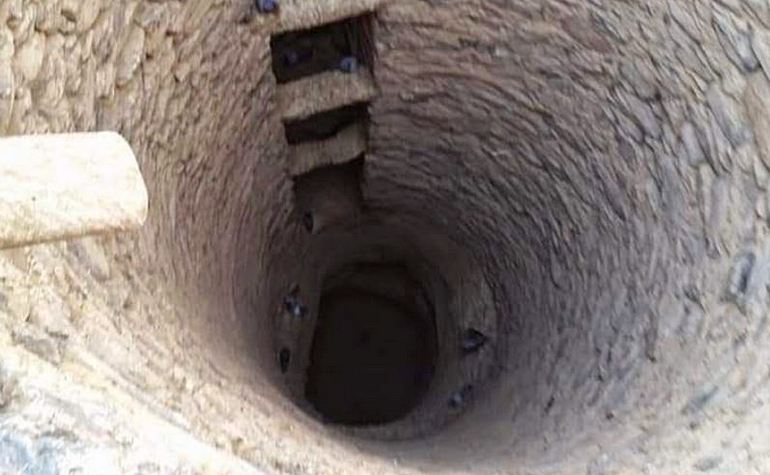
Water gushes from the Prophet’s (ﷺ) fingers
- Another miracle at Hudaybiyah is reported by Jabir (رضي الله عنه). He says that the people were thirsty at Hudaybiah and only the Prophet (ﷺ) had some water in a bucket.
- When he (ﷺ) started performing wudhu, the people looked at him with great desire for the water. Seeing them stare, the Prophet (ﷺ) asked what the matter was. When they informed him that they had no water for wudhu or for quenching their thirst, the Prophet (ﷺ) put his hand into the same bucket and water started gushing forth from the fingers.
- Jabir (رضي الله عنه) says that they all then had sufficient water for wudhu and for drinking. When someone asked Jabir (رضي الله عنه) how many they were, he replied, “The water would have been enough for us even if we had been a hundred thousand. However, we numbered fifteen hundred.”
Location of the well
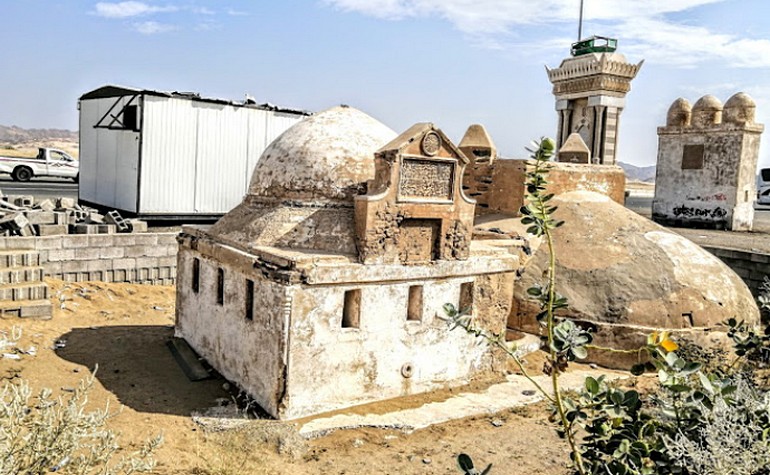
- The well is today enclosed within an industrial site close to Masjid al-Hudaybiah.
- Close by is the stone structure below. This is often mistaken to be the well of Hudaybiah. However, this is actually a historic Miqat boundary marker.
References: The History of Makkah Mukarramah – Dr. Muhammad Ilyas Abdul Ghani
]]>