
Masjid al-Manaratain is named due to being located between two yellow hills which once existed here. It is reported that the Prophet (peace and blessings of Allah be upon him) prayed in this location.
a

References:
]]>Travel to Syria
- When Muhammad (ﷺ) was about 12 years old, he accompanied his uncle Abu Talib on a trade journey to Syria (which was a part of the region known as ‘Sham’). In a place called Busra a very interesting incident took place, which caused Abu Talib to return Muhammad to Makkah.

- On their trade journey they met a Christian monk by the name of Bahira, who lived a simple life in a monastery which contained ancient sacred texts that were not available anywhere else. Bahira had very simple provisions and lived a harsh life, surviving on the bare essentials. His diet was very simple and the clothes he wore were also coarse and well worn. He was looking outside and caught sight of a caravan approaching. His residence was on the main caravan route and he regularly saw caravans passing by, carrying different goods destined to be sold in the great markets of Syria.
Bahira’s invitation
- He noticed that this caravan was different; there was something special about it. He decided to invite the people to a meal and find out more. Bahira sent a message to the caravan that his hospitality was extended to all the members of the caravan. The caravan traders accepted the invitation and arrived at the monk’s place.
- When they arrived, Bahira searched their faces looking for something. He said that he had offered his hospitality to everyone, was there anyone left behind? They said that they had left a young boy called Muhammad to look after the camels. Bahira insisted that they send someone to get Muhammad and bring him to the entertainment.

Meeting the young Muhammad (ﷺ)
- When Bahira saw the face of Muhammad he was delighted for he was aware from the scriptures of the arrival of a mighty prophet and he could see the signs on the young boy. He asked him a series of questions such as how he sleeps, what does he see when he sleeps, what he thinks about and what he does all day. The young Muhammad answered truthfully which convinced Bahira of who he is.
- After the food, Bahira approached Abu Talib and asked him of his relationship to Muhammad. Abu Talib initially replied saying that he was his son upon which Bahira remarked that that could not be possible upon which Abu Talib confirmed that he was in fact his nephew. Bahira revealed to Abu Talib that Muhammad would be a great prophet one day. He said that when he had seen the caravan in the distance there was a cloud hanging over them, which was shading them from the great heat of the desert. When the caravan had stopped under a tree the cloud had also stopped above them.

- Bahira said that he had seen the stones and the trees prostrating to Muhammad as he had been walking by. They only do this for a prophet of Allah. He looked at the Muhammad’s back and noticed the seal of the prophets, which was an oval shape protruding just below Muhammad’s shoulder blades. He said that this was one of the signs of a great prophet to come that was taught to them in their books.
- Bahira said, “This is the master of all humans, Allah will send him with a message which would be a mercy to all humans”. Bahira advised that Muhammad should be taken back to Makkah at once, if the Jews found out about Muhammad they would try to kill him. Abu Talib took the advice of this wise old monk and sent Muhammad back with some of the guides.
Video of the Monastery of Bahira
- Some commentators report that accompanying Muhammad (ﷺ) on this trip was the young Abu Bakr and Bilal (رضي الله عنهم). They formed a deep bond which lasted right through their adult life.
- It should also be noted that some commentators have dismissed the authenticity of the story of Bahira’s interaction with the Prophet (ﷺ). However, the majority of ḥadith and seerah experts regard the incident as established. A more detailed explanation can be found on the IslamicPortal website.
References: Musalla.org, Life of the Prophet (ﷺ) – Shaykh Abdul Nasir Jangda (Qalam Institute)
]]>- Of the epistles (letters) that the Prophet (ﷺ) despatched to various kings, inviting them to Islam, one was sent to the King of Bursa through Haris-bin-Umair Azdi (رضي الله عنه). When Haris (رضي الله عنه) reached Mu’ta, he was killed by Sharjeel Ghassani, one of the governors of the Qaiser. The murder of the envoy was against all laws of inter-tribal morality. The Prophet (ﷺ) was naturally very much upset when the news reached him. He collected an army, 3,000-strong, to advance against the enemy. This was the first time the Muslims would fight the Byzantines (The Roman Empire during the Middle Ages).
- While nominating Zaid-bin-Haritha (رضي الله عنه) to command the army, the Prophet (ﷺ) said: “If Zaid is killed, then Jafar-bin-Abi Talib will be your Amir and if he is also martyred, then Abdullah-bin-Rawahah will take the command. If he also dies, then you can select a commander from among yourselves.” A Jew, who was listening to this, said: “All the three must die. This is exactly how the earlier Prophets used to prophesy.”
- The Prophet (ﷺ) gave Zaid a white flag made by himself. He then accompanied the army for some distance out of Madinah and prayed for them saying: “May Allah bring you back safely and triumphantly, May He guard you against all evils.”
- When Sharjeel received intelligence about this army, he prepared an army 100,000 strong and another army of 100,000 was raised by the Qaiser himself to meet the Sahabah. When the Sahabah heard the rumour of the impending army they hesitated whether they should face such heavy odds or inform the Prophet (ﷺ). Abdullah bin Rawahah (رضي الله عنه) exhorted them to advance and they faced the army in the battlefield of Mu’ta.
- A fierce battle raged in which, as prophesised, Zaid-bin-Haritha (رضي الله عنه), followed by Jafar-bin-Abi Talib and Abdullah-bin-Rawahah were martyred. After the last leader had fallen, Thabit bin Aqram (رضي الله عنه) ran to receive the flag and rose it high, so that the Muslims would not disperse in chaos. Thabit (رضي الله عنه) then handed the flag to Khalid-bin-Waleed (رضي الله عنه) and called the Muslims publicly to accept his leadership. They unanimously agreed and for the first time Khalid-bin-Waleed (رضي الله عنه) headed a Muslim army.

- Back in Madinah the Prophet (ﷺ) was fully informed of the happenings of the war. One morning, he (ﷺ) addressed the Sahabah saying, “Zaid has taken up the flag and now he has been martyred. Jafar has now taken it and he has also been martyred. Ibn Rawahah has taken it and he has also been martyred.” Saying this, tears welled up in the eyes. Thereafter he mentioned, “Now the flag has been hoisted by a sword from among the swords of Allah Ta’ala and Allah Ta’ala has granted the Muslims victory on his hands.”
- Khalid-bin-Waleed (رضي الله عنه) reported that the fighting was so intense that he used nine swords which broke in the battle. Seeing that the situation was hopeless, he prepared to withdraw the army. He continued to engage the Byzantines in skirmishes, but avoided pitched battle. One night he completely changed his troop positions and brought forth a rearguard that he had equipped with new banners; all this was intended to give the impression that reinforcements had arrived from Madinah. He also ordered his cavalry to retreat behind a hill during the night, hiding their movements, and then return during daytime when the battle resumed, raising as much dust as they could. This also was intended to create the impression that further reinforcements were arriving. The Byzantines believed in the fictitious reinforcements and withdrew, thus allowing the Muslim force to safely retreat to Madinah.
- Today, those Muslims who fell at the battle are considered martyrs (shaheed). Far from being a defeat, this battle was a strategic success; the Muslims had challenged the Byzantines and had made their presence felt amongst the Arab Bedouin tribes in the region.
References: Fazail-e-Aamal – Sheikh Zakariyya Kandhalvi, Men around the Messenger – Khalid Mohammed Khalid.
]]>Warning: Undefined array key "file" in /home/wtim8wecc6jt/public_html/overhaul.islamiclandmarks.com/wp-includes/media.php on line 1763
Deprecated: preg_match(): Passing null to parameter #2 ($subject) of type string is deprecated in /home/wtim8wecc6jt/public_html/overhaul.islamiclandmarks.com/wp-includes/media.php on line 1763
- Zaid (رضي الله عنه) was the first to embrace Islam after Ali (رضي الله عنه). He was the first slave to accept Islam.
- When still a small child he was travelling in a caravan when it was attacked by the tribe of Banu Qais. He was taken as a slave and sold in Makkah to Hakim-bin-Hizam who purchased him for his aunt Khadijah (رضي الله عنه), who offered him as a present to the Prophet (ﷺ) at the time of her marriage to him.
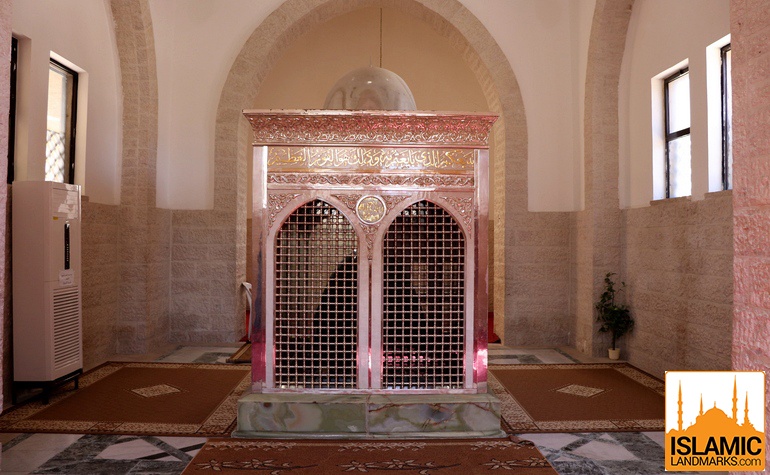
- Zaid’s father was in immense grief at the loss of his son and roamed about in search of him. Zaid met some people of his clan during their pilgrimage to Makkah and sent a letter to his father assuring him that he was quite well and happy with his noble master. Zaid’s father and uncle came to Makkah with sufficient money to ransom Zaid and approached the Prophet (ﷺ) to free him so they could take him back. The Prophet (ﷺ) gave Zaid the free choice to go back with his father but he refused saying, “How can I prefer anybody else to you? You are everybody for me, including my father and uncle.” On this the Prophet (ﷺ) took Zaid in his lap and said, “From today, I adopt Zaid as my son.” Zaid’s father and uncle were quite satisfied with the situation and gladly left Zaid with the Prophet (ﷺ).

- Zaid (رضي الله عنه) is the only companion (Sahabi) of the Prophet (ﷺ) mentioned by name in the Quran which concerned his divorce from Zainab (رضي الله عنها): “When Zaid no longer wanted her, We gave her to you in marriage.” [33:37]
- Zaid (رضي الله عنه) died at the age of 55.
References: Fazail-e-Aamal – Sheikh Zakariyya Kandhalvi, The Holy sites of Jordan – TURAB Publishing, In the Blessed Lands: Jamiatul Ulama KZN
Note that this entry has been shown for information purposes only. On no account should anybody pray to a grave or seek supplication through them as this is tantamount to committing shirk, associating partners with Allah (ﷻ)
]]>
- Jafar (رضي الله عنه) was the paternal cousin of the Prophet (ﷺ) and the older brother of Ali (رضي الله عنه).
- He had a special love for the poor and often mingled and associated with them.
- He was amongst the first of the companions to emigrate to Abyssinia (Ethiopia) during the persecution of the Quraysh. He was the spokesman of the Muslims who successfully defended the emigrants in the court of the King Negus against the Quraysh who had come to force them back to Makkah.
- He returned to Madinah at the occasion of Khaybar. The Prophet (ﷺ) came out to welcome him and kissed him on his forehead and mentioned, “I am not sure whether I am happier with the arrival of Ja’far or with the conquest of Khaybar.” This took place in 7 AH, one year before the battle of Mu’ta.
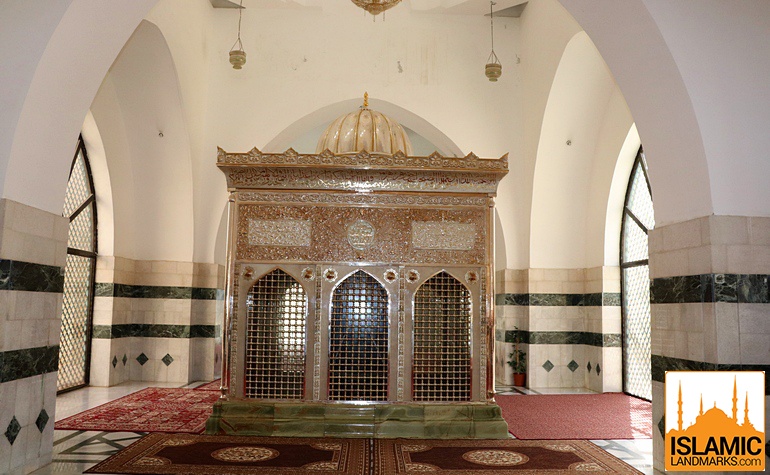
- When Zaid (رضي الله عنه) had been killed, the flag of the Muslims was taken by Jafar (رضي الله عنه). He intentionally disabled his horse to dispel any idea of returning home from the battlefield. With flag in one hand and sword in the other, he jumped into the enemy lines. The enemy cut his right hand, which held the flag. He at once transferred it to his left. When that was cut off, he held the flag in his teeth and supported it with his bleeding arms. His body was cut into two by somebody from behind and he fell dead, he was around 33 at the time.
- On hearing the news of his death, the Prophet (ﷺ) went to his house to condole with his family. Asma bint-e-Umais (رضي الله عنها), the wife of Jafar (رضي الله عنه) mentions that she was at home bathing and changing her children when the Prophet (ﷺ) entered and hugged the children. She saw tears streaming down his mubarak eyes and asked him, “O Prophet of Allah, may my parents be sacrificed for you, why are you crying like this? Has information regarding Jafar and his companions reached you?” The Prophet (ﷺ) replied, “Yes, today Jafar has been martyred.” Asma (رضي الله عنها) says, “When I heard this I shrieked and all the women began gathering at my home to console me” The Prophet (رضي الله عنها) then left the house, went home and instructed his family to prepare food for the household of Jafar (رضي الله عنه).
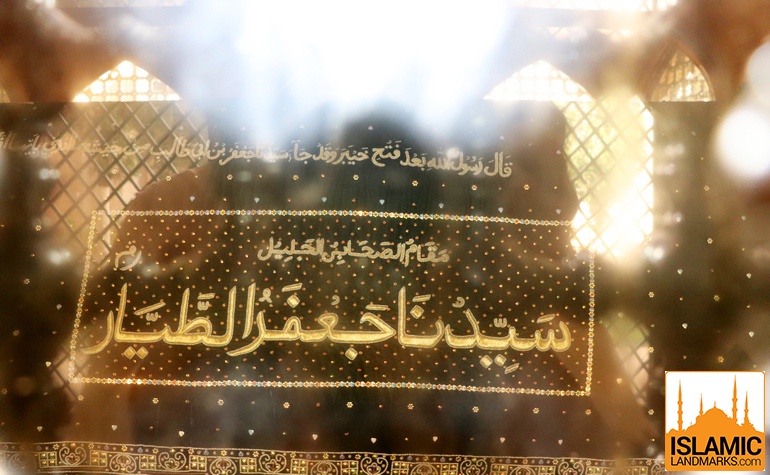
- It was on this occasion, the Prophet (ﷺ) mentioned, “In Jannah, Allah Ta’ala has given Jafar wings in place of his hands with which he flies around as he wishes and where he wishes”. It is for this reason that he became famously known as Jafar ‘al-Tayaar’ (One who flies).
References: Fazail-e-Aamal – Sheikh Zakariyya Kandhalvi, In the Blessed Lands: Jamiatul Ulama KZN
Note that this entry has been shown for information purposes only. On no account should anybody pray to a grave or seek supplication through them as this is tantamount to committing shirk, associating partners with Allah (ﷻ)
]]>- Abdullah-bin-Rawahah (رضي الله عنه) was originally a Christian scribe from Madinah and was also known as Abu Amro’ Al-Ansari Al-Khazraji Al-Badri. He was one of the most active persons from among the Ansar to support the faith of Islam and strengthen its structure.
- During the Battle of Badr, he was left behind by the Prophet (ﷺ) in charge of Madinah.
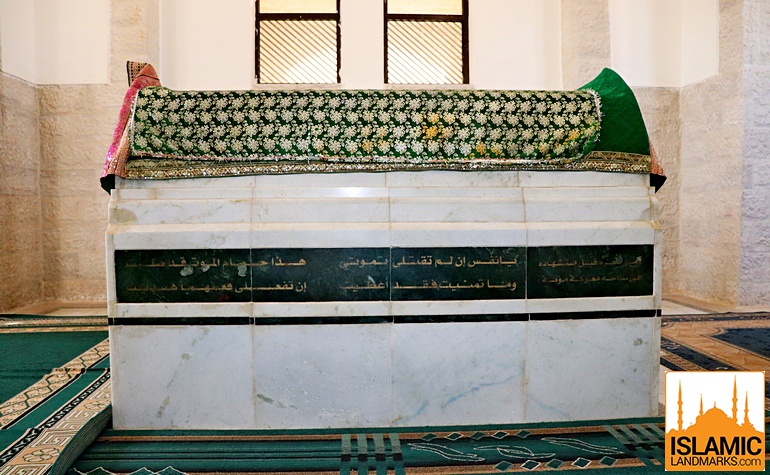
- When Jafar (رضي الله عنه) was killed in Mu’ta, Abdullah-bin-Rawahah (رضي الله عنه) was eating a piece of meat in a corner of the battle-field. He had been hungry for three days. On hearing of Jafar’s death, he threw away that piece of meat, saying to himself, “Abdullah! You are busy in eating, while Jafar has reached Paradise.” He then took the flag and began to fight. His finger was severely injured and hung loose. He put the hanging finger under his foot and tore it off from the hand, and then rushed forward, striking with his sword till he was martyred.
References: Fazail-e-Aamal – Sheikh Zakariyya Kandhalvi, The Holy sites of Jordan – TURAB Publishing
Note that this entry has been shown for information purposes only. On no account should anybody pray to a grave or seek supplication through them as this is tantamount to committing shirk, associating partners with Allah (ﷻ)
]]>
- The Prophet (ﷺ) said, “Every nation has a trustworthy man, and the trustworthy man of this (Muslim) nation is Abu Ubaidah.”
- Abu Ubaidah (رضي الله عنه) has been described as a tall, thin, light bearded man with two broken teeth that was the envy of all the Muslims, as they had been broken in the process of helping the Prophet (ﷺ). During the battle of Uhud, the Prophet (ﷺ) was fiercely attacked by the enemy and two links of the helmet worn by him was struck deep into his head (or face). Abu Ubaidah ran to help him and started pulling out the links with his teeth. By the time one of the links was out he had lost one of his teeth. Without minding this, he again used his teeth to pull out the other link as well. He succeeded in taking out that one too, but he had to loose another tooth in the effort. In this process his blood mixed with the Prophet’s blood.
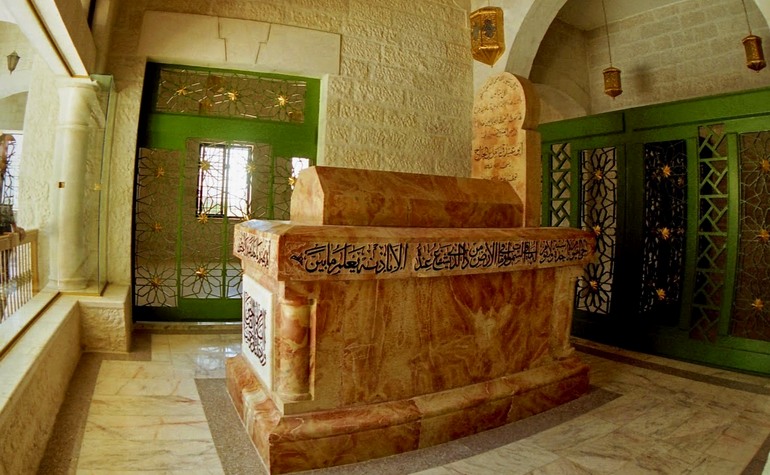
- During the Caliphate of Umar (رضي الله عنه), Abu Ubaidah (رضي الله عنه) replaced Khalid-bin-Waleed as the commander of the Muslims during the Syrian Campaign.
- When Syria was struck with the plague that had claimed the lives of many Sahaabah (رضي الله عنهم), Caliph Umar (رضي الله عنه) wrote the following letter immediately to Abu Ubaidah (رضي الله عنه), “Assalamu alykum, I have a severe need for which I need to speak to you face to face. For this reason I emphasise that the moment you get this letter in your hand, without even placing it down leave immediately to come and see me.” Abu Ubaidah (رضي الله عنه) was a man who lived his life in the obedience of his elders. But the moment he read this letter he smiled and understood exactly what was Umar’s (رضي الله عنه) pressing need to see him. Umar (رضي الله عنه) only wanted him to leave the plague stricken area and come safely home to Madinah. Abu Ubaidah (رضي الله عنه) turned to his companions and said, “I know what the need of our Ameer is. He wishes for someone to survive who is not going to survive.”
- Immediately he wrote the following reply to Umar (رضي الله عنه). “I know exactly the reason for which you are calling me back. At this particular time, I am sitting among such people in the Muslim army whom I am comfortable with. Hence I do not want to desert them and return until such a time Allah Ta’ala decides our fate. I implore you to please excuse me from your command and allow me to stay with the army.” When Umar (رضي الله عنه) read the letter, tears welled up in his eyes. The people around him noticed this and asked, “Ameerul Mu’mineen, has the news of Abu Ubaidah’s demise reached you?” Umar (رضي الله عنه) replied, “No it hasn’t happened as yet but it seems that it will happen soon.” Thereafter Umar (رضي الله عنه) wrote another letter, “Assalamu alykum, The place where you have kept the people is a very low land. Take them to some higher grounds where the air is clear.”
- Abu Musa Ashari (رضي الله عنه) says that when this letter reached Abu Ubaidah , he called me and read out the letter from Ameerul Mumineen. He then asked me to go and look for a suitable place for the Muslim army. He further stated that before going out to look, he first went home to find his wife affected with the plague. He went back quickly and mentioned this to Abu Ubaidah (رضي الله عنه) who had mounted his camel to search for some suitable place when it was discovered Abu Ubaidah (رضي الله عنه) also was afflicted by the plague. Shortly after his condition worsened and he also passed away near Fahl.
- This incident occurred in the year 17 AH when Abu Ubaidah (رضي الله عنه) was 58 years old. Muadh bin Jabal (رضي الله عنه) performed his janaza salah (funeral prayer). The grave of Abu Ubaidah (رضي الله عنه) is in a small room adjacent to the Masjid. As you come out of the Masjid, you will notice a large graveyard on the right hand side. The local people mentioned that in this graveyard, many Sahabah and Shuhadaa, who were martyred in this plague, are buried.
References: Fazail-e-Aamal – Sheikh Zakariyya Kandhalvi, The Holy sites of Jordan – TURAB Publishing, In the Blessed Lands: Jamiatul Ulama KZN
Note that this entry has been shown for information purposes only. On no account should anybody pray to a grave or seek supplication through them as this is tantamount to committing shirk, associating partners with Allah (ﷻ)
]]>- Muadh (رضي الله عنه) was an Ansari who became a Muslim at a young age at the hands of Musayb-bin-Umair (رضي الله عنه), whom the Prophet (ﷺ) had sent to Yathrib (Madinah) before the Hijrah. When the Prophet (ﷺ) reached Madinah, Muadh stayed in his company as much as possible. He studied the Quran and the laws of Islam until he became one of the most well-versed of all the companions in the religion of Islam. Wherever Muadh went, people would refer to him for legal judgements on matters over which they differed.
- He was from the Khazraj tribe in Madinah and was among the 70 people who had taken the pledge of Aqabah prior to the Hijrah of the Prophet (ﷺ). At that time he was so young that he did not even have a beard. At the time of Badr he was only 20 years old and thereafter fought in every battle with the Prophet (ﷺ). It was only in the Battle of Hunain that he was absent because the Prophet (ﷺ) had sent him to Makkah to teach Islam to the new Muslims.
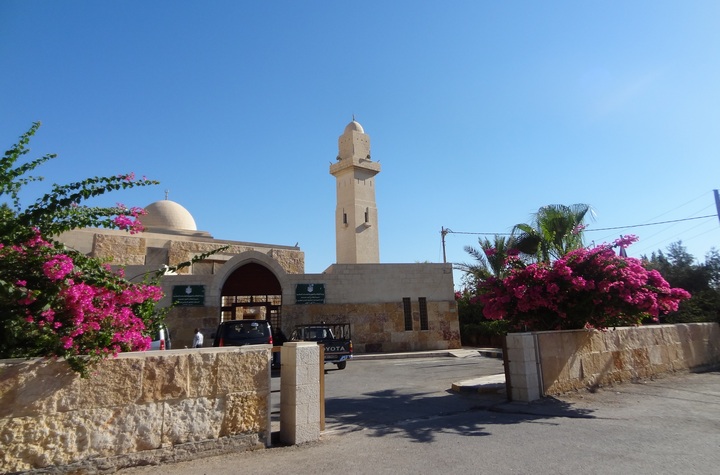
- Sometime after the Prophet (ﷺ) had returned to Madinah, messengers of the kings of Yemen came to him announcing that they and the people of Yemen had become Muslims. They requested that some teachers should be with them to teach Islam to the people. For this task the Prophet (ﷺ) commissioned a group of competent da’ees (missionaries) and made Muadh-bin-Jabal their amir. He then put the following question to Muadh: “According to what will you judge?”. “According to the Book of Allah,” replied Muadh. “And if you find nothing therein?”. “According to the Sunnah of the Prophet of Allah.”. “And if you find nothing therein?”. “Then I will exert myself (exercise ijtehad) to form my own judgement.” The Prophet (ﷺ) was pleased with this reply and said: “Praise be to Allah who has guided the messenger of the Prophet to that which pleases the Prophet.” The Prophet (ﷺ) personally walked for some distance alongside Muadh as he rode out of the city.
- When it came time to bid farewell the Prophet (ﷺ) said to Muadh, “O Muadh, perhaps you shall not meet me again after this year. Perhaps when you return you shall see only my mosque and my grave.” Muadh (رضي الله عنه) wept upon hearing this as he knew in his heart that he was never to meet the Prophet (ﷺ) in this world again. A feeling of sadness and desolation overtook him as he parted from the Prophet (ﷺ). The Prophet’s premonition was correct, the eyes of Muadh (رضي الله عنه) never beheld the Prophet after that moment. The Prophet (ﷺ) died before Muadh returned from Yemen.
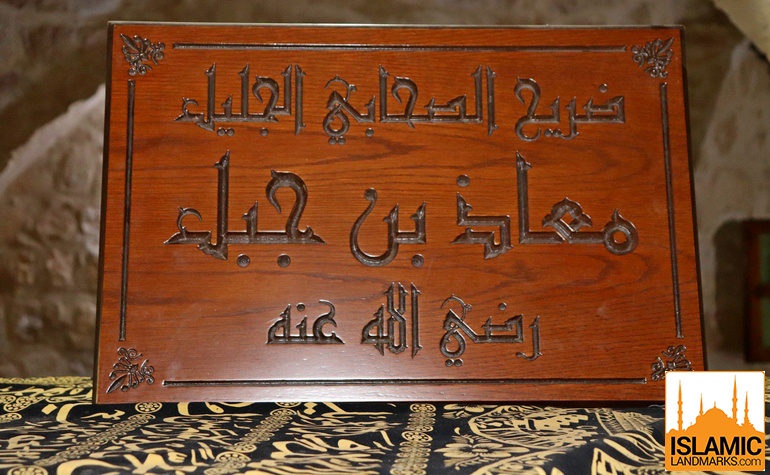
- When Abu Ubaidah bin Jarraah (رضي الله عنه) was afflicted by the plague, he appointed Muadh (رضي الله عنه) as the governor of Shaam. During this time a plague had gained rapid momentum and affected many people. Muadh (رضي الله عنه) addressed the people saying he heard the Prophet (ﷺ) say, “You people will migrate to Shaam and you will conquer this land. Thereafter such a sickness will appear which will be like sores and boils. Allah Ta’ala will bless you with Shahada (martyrdom) and purify your actions.”
- Thereafter, he made the following dua, “O Allah, if Muadh really heard this from the Prophet (ﷺ), then bless him and his family with this virtue”. The plague then entered his home and no one from his family was spared. When he saw the signs of the plague appearing on him he smiled and said, “If someone had to give me red camels in exchange of this it would not please me.” Someone began crying when he saw his condition. Muadh bin Jabal (رضي الله عنه) asked him, “Why are you crying?” This person replied, “I am not crying over any worldly benefit which I acquired from you, rather I am crying at the loss of the ilm (knowledge) I used to gain from you.” Muadh (رضي الله عنه) consoled him saying, “Don’t cry over that as well. Look at Ebrahim (عليه السلام). He was born and brought up in places where there was no knowledge. Allah Ta’ala blessed him with knowledge. After my demise, you should obtain knowledge from four people. Abdullah bin Mas’ood, Salman Farsi, Abdullah bin Salaam and Abu Darda (رضي الله عنهم).”
- Muadh (رضي الله عنه) died in Jordan during the 18th year after Hijra, at the age of 38. His son is also buried close to him.
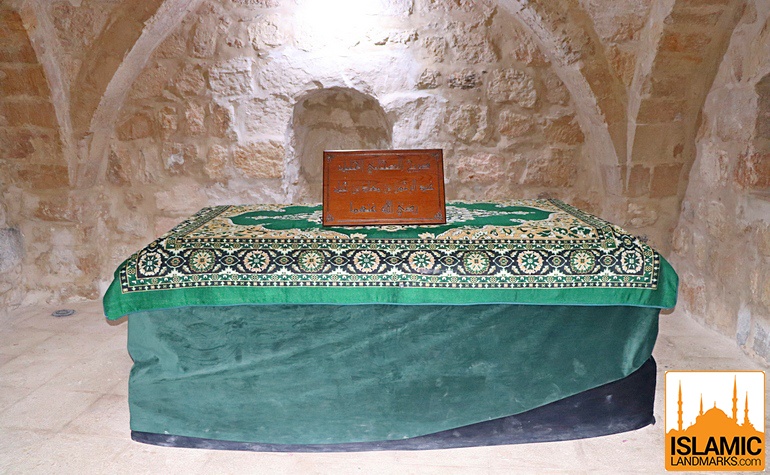
- Many visitors have commented on the lovely fragrance that is present in the room where he is buried. Caretakers have insisted they have never applied anything there.
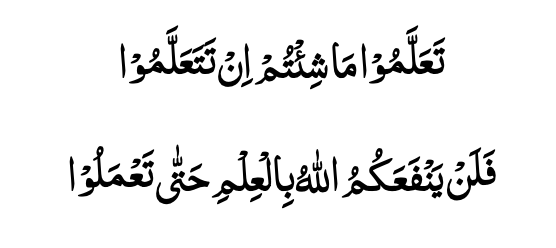
You may attain as much knowledge as you wish
Saying on the tomb of Muadh bin Jabal (رضي الله عنه)
But Allah will not allow that knowledge to benefit you so long as you
do not practice on it
References: Men around the Messenger – Khalid Mohammed Khalid, Wikipedia, In the Blessed Lands: Jamiatul Ulama KZN
Note that this entry has been shown for information purposes only. On no account should anybody pray to a grave or seek supplication through them as this is tantamount to committing shirk, associating partners with Allah (ﷻ)
]]>- Salman Farsi (رضي الله عنه) grew up in Isfahan in Persia into a very rich and respectable family. He was initially a devotee of the Magian religion (fire worshippers).One day his father sent him to a village. On the way he passed by a church from which he heard the Christians praying. He was astonished and remarked to himself, “This is better than our religion”. He asked the Christians about the origins of their faith and was told that it was in ash-Sham (Greater Syria). Upon returning he narrated his experience to his father who became upset and imprisoned him in the house.
- He managed to escape and joined a caravan to Syria where he sought out the leading bishop, became a Christian and entered into his service in the church. He however, found the bishop to be corrupt and exposed his practises after the bishop’s death. The bishop was replaced by a pious man who was greatly devoted to worship day and night. After his death, Salman attached himself to various Christian religious figures, in Mosul, Nisibis and elsewhere. The last one had told him about the appearance of a Prophet in the land of the Arabs who would have a reputation for strict honesty, one who would accept a gift but would never consume charity (sadaqah) for himself. He would also have the seal of the Prophets on his back.
- Salman paid money to join a group of Arabs back to their homeland but was betrayed by them and sold into slavery to a Jew who in turn sold him again to another Jew of the Banu Quraiza. He was taken to Yathrib (Madinah) which he recognized to be the place where the awaited Prophet would come. He was put to work there, cultivating and taking care of the palm trees.
- One day Salman was on top of a palm tree when he heard someone talking with his master below about the emigration from Makkah of a man who claimed to be a Prophet. Salman was excited by the news and asked his master to tell him more but his master violently hit him and told him to get back to work.
- That evening Salman took some dates and went to Quba, where the Prophet (ﷺ) was staying and offered the dates as sadaqah. The Prophet ordered his companions to eat but he himself did not eat of it. Salman gathered some more dates and when the Prophet (ﷺ) left Quba for Madinah he went to him and said: “I noticed that you did not eat of the sadaqah I gave. This however is a gift for you.” Of this gift of dates, both he and his companions ate.
- Salman left and returned soon after where he found the Prophet (ﷺ) in al-Baqi. He greeted him and turned to see up his back. The Prophet (ﷺ), knowing what he wanted threw his garment over his shoulder and Salman saw the seal of the Prophets, exactly as it had been described to him. Salman kissed him and embraced Islam.
References: Men around the Messenger – Khalid Mohammed Khalid, Works of Ibn Kathir
Note that this entry has been shown for information purposes only. On no account should anybody pray to a grave or seek supplication through them as this is tantamount to committing shirk, associating partners with Allah (ﷻ)
]]>- He was also well known as Abu Abdur Rahman. He was known to be an extremely tolerant person and would speak very little.
- Once he complained to the Prophet (ﷺ) about his straitened condition. The Prophet (ﷺ) made dua for him and said, “Poverty will never become your lot. Shaam will be conquered and you will acquire booty in abundance. Your children will become the Imams of Baitul Muqaddas.”
- At the conquest of Shaam, the booty was collected and an army of 500 men were delegated to transfer the goods to Madinah so that Abu Bakr (رضي الله عنه) could see it with his own eyes. Shaddaad bin Aus (رضي الله عنه) was appointed the leader of this group. He says, “As I reached Madinah Munawarrah with the spoils of war, the people saw us from a distance and noticed the large caravan of people coming in. Abu Bakr (رضي الله عنه) enquired what the fuss was all about and he was informed that the Muslims were victorious and that Shaddad had arrived with the booty.”
- Shaddad (رضي الله عنه) first entered the masjid and performed two rakats salah and thereafter made his way to the Rawdah Mubarak of the Prophet (ﷺ) to offer salam. Perhaps at that particular time he thought of how he had once complained to the Prophet (ﷺ) regarding his poverty and that day the prophecy of the Prophet (ﷺ) had indeed materialised before his eyes.
- After the passing away of the Prophet (ﷺ), he moved to Palestine. He passed away in Palestine in the year 58 AH at the age of 55. Abu Darda (رضي الله عنه) used to say that many people attain knowledge but do not have tolerance, Abu Ya’la i.e. Shaddad (رضي الله عنه) possessed both ilm (knowledge) and hilm (tolerance).
References: Wikipedia, In the Blessed Lands: Jamiatul Ulama KZN
]]>