Hadith about the Maqame Ebrahim
- It has been reported from Sa’eed bin Jubair (رضي الله عنه) that the Prophet (ﷺ) said: “The stone is the station of Ebrahim. Allah made it soft and made it a mercy. Ebrahim would stand on it and Ismail would hand the stones up to him.” [Muthir Al-Gharam]
Constructing the Ka’bah
- Ebrahim and Ismail (upon them be peace) used to mention the following Quranic verse as they were constructing the Holy Ka’bah,“Our Lord! Accept (this service) from us: for you are the All-Hearing, The All-Knowing.” [2:127]
- Ebrahim (عليه السلام) constructed the Ka’bah using rocks from five mountains; Hira, Thubayr, Labnaan, Toor and Jabalul Khayr. Toor Seena (Mount Sinai) is actually situated in the eastern desert of Egypt.
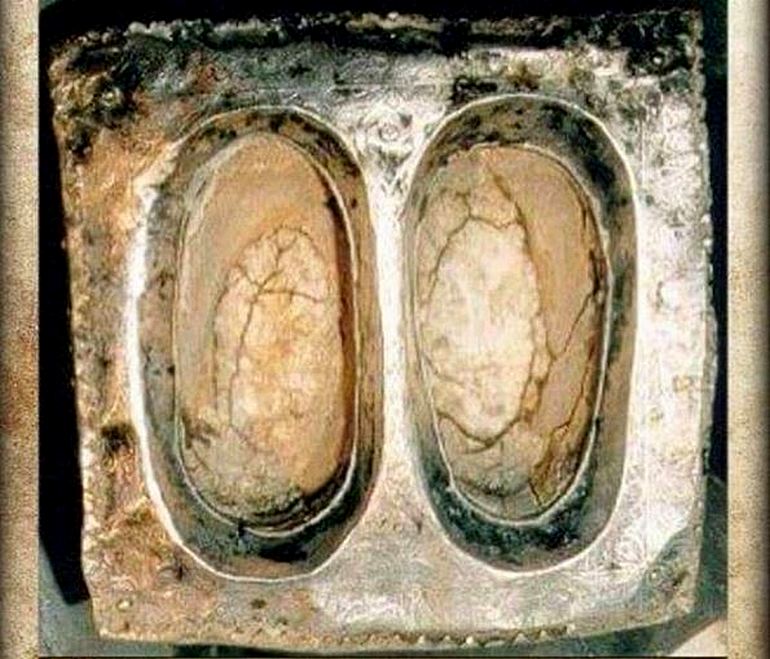
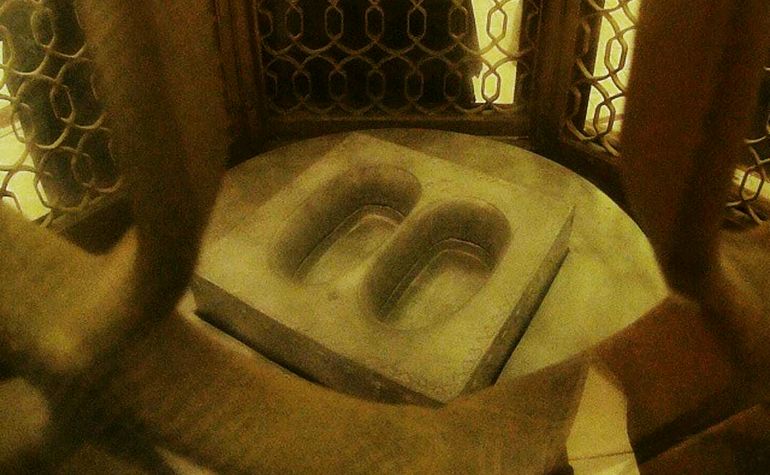
- When constructing the Ka’bah, Ebrahim (عليه السلام) would stand on the Maqame Ebrahim barefooted. Over time, his lengthy standing left clear imprints on the stone.
Proclaiming the Pilgrimage
- When Ebrahim (عليه السلام) completed the construction of the Ka’bah he was commanded by Allah (ﷻ): “Proclaim the to Pilgrimage to all people. They will come to you on foot and on every kind of lean camel, emerging from every deep mountain pass (to perform Hajj).” [22:27]
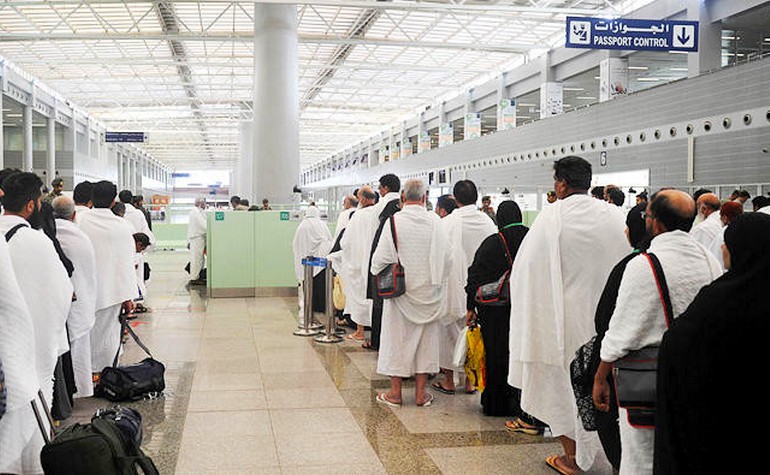
- Ibn Kathir says in his commentary that this verse means: ‘Proclaim (O Ebrahim) the Hajj to the people, calling them to come on pilgrimage to this House which We have commanded you to build’. It was mentioned that he said, “O Lord, how can I proclaim it to the people when my voice does not reach them?” He said, “Call and We will convey it.” So he stood at his Maqam (station) – or according to some narrations on al-Safa, or on mount Abu Qubais – and said: “O people, your Lord has taken a House, so come to it on pilgrimage.”
- And it was said that the mountains lowered themselves so that his voice could reach all parts of the earth and those who were still in the wombs or in men’s loins also heard, and everything that heard him, cities, nomad encampments and trees, and everyone whom Allah has decreed should perform Hajj until the Day of Resurrection responded (saying) “Labbayk Allahumma labbayk (Here I am, O Allah, here I am)”. This is the summary of what was narrated from Ibn Abbas, Mujahid, ‘Ikrimah, Saeed ibn Jubayr and others (رضي الله عنهم).
The Maqame Ebrahim as a place for performing salah
- Umar (رضي الله عنه) reports that Allah (ﷻ) fulfilled three wishes that he had. One of these was his proposal to the Prophet (ﷺ) that the Maqame Ebrahim should be made a place for performing salah (prayer). Allah (ﷻ) revealed the following verse in the Quran in Surah al-Baqarah: “Take the Maqam of Ebrahim as a place of salah (a place behind which you perform two rakahs of salah after Tawaf)” [2:125]
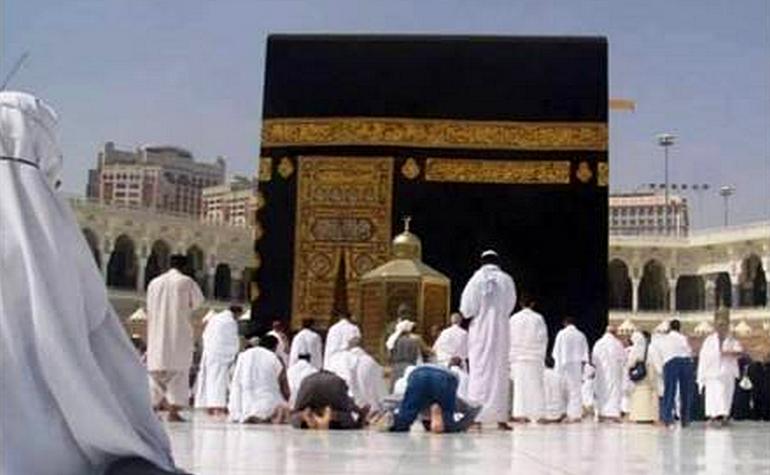
- At the time of Ebrahim (عليه السلام) the Maqam was attached to the Ka’bah. Umar (رضي الله عنه), seeing that leaving it where it was would make the space too crowded for Tawaf or for prayers had it moved on the Mataf to the place it is in now to make it easier for people. There was consensus among the Sahabah for this action of Umar (رضي الله عنه), for he was the one who had suggested it should be taken as a place of prayer.
The footprints of Prophet Ebrahim (عليه السلام)
- Juhm bin Hudhayfah (رضي الله عنه), a Sahabi who was present when the Quraysh rebuilt the Ka’bah as well as when Abdullah bin Zubair (رضي الله عنه) rebuilt it says that the blessed footprints of the Prophet (ﷺ) very closely matches those of Ebrahim (عليه السلام). The Prophet (ﷺ) also mentioned: “From all the children of Ebrahim (عليه السلام) it is I who resembles him the most.” [Bukhari]
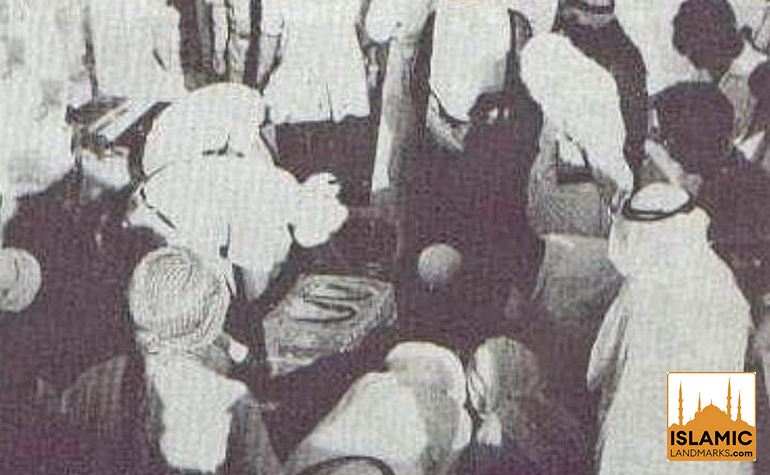
- Although the Arabs worshipped stones during the Period of Ignorance, no one ever worshipped the Hajar al-Aswad or the Maqame Ebrahim even though the Arabs revered them. It appears that it was Allah’s explicit intention to protect the Maqame Ebrahim from Shirk and all types of worship.
- Note that the significance of the Maqame Ebrahim is that it is a place for the performance of salah and not for touching or kissing. When there are lots of people performing tawaf it is better to perform salah some distance away from the Maqame Ebrahim to avoid causing unnecessary inconvenience to others.
The Maqame Ebrahim today
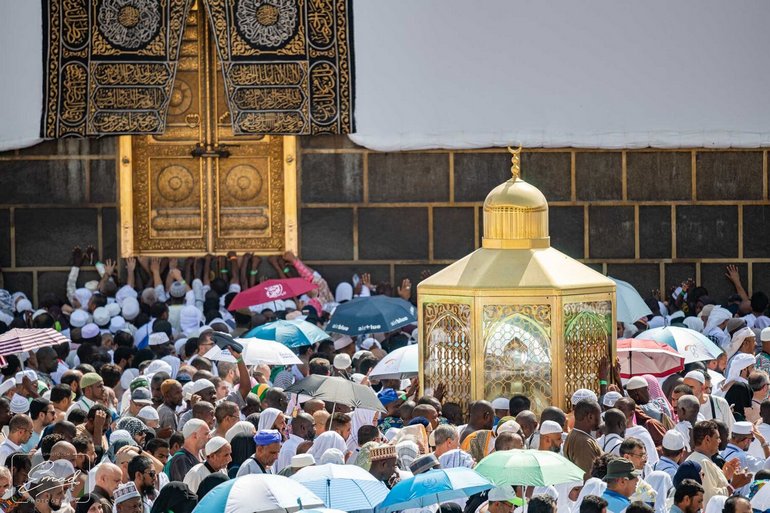
- Currently, the Maqame Ebrahim is enclosed within a gold caged structure with strongly reinforced glass. The actual footprints have now been covered up – a silver alloy case having two deep imprints for feet is now what’s visible. The original footprints which were on top of the rock can no longer be seen.
The Maqame Ebrahim used to be housed within a building
- During Ottoman times the Maqame Ebrahim was contained within a small structure on the Mataf. This was removed in the 1960s to ease the flow of worshippers.

References: The History of Makkah – Dr Muhammad Ilyas Abdul Ghani , Holy Makkah – Shaykh Safiur-Rahman Mubarakpuri, Shaykh Yasir Qadhi (Facebook)
]]>The origin of the Zamzam Well
- Ebrahim (عليه السلام) took his son Ismail (عليه السلام) and the child’s mother Hajrah (عليها السلام) to Makkah where he left them with only some water and dates as provisions. Once the provisions ran out, mother and son became thirsty and restless.
- Hajrah (عليها السلام) climbed up Mount Safa to see whether she could sight any people from whom she could get water. When she saw nothing, she crossed the valley and then climbed up Mount Marwah for the same reason. When she saw nothing here either, she started running from Safa to Marwah and back again in her anxiety.
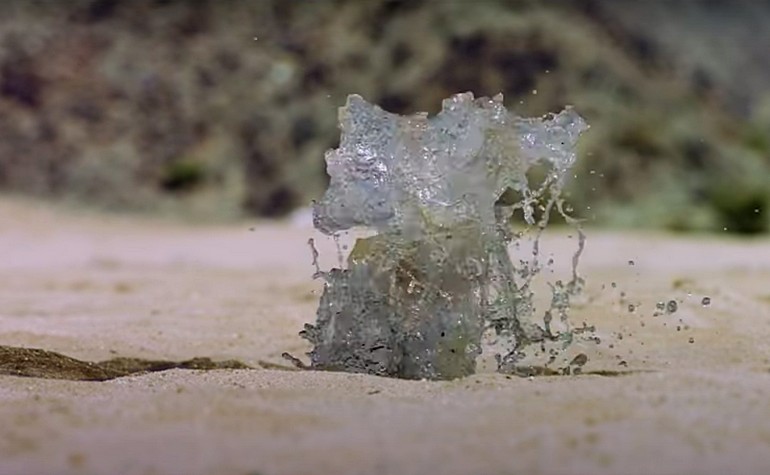
- When she had done so seven times and was atop Mount Marwah, she heard a sound. When she returned (to where her son lay), she saw that an angel had struck his wing on the ground, causing water to gush forth from the spot. The name of the well comes from the phrase ‘Zome Zome’, meaning ‘stop flowing’, a command repeated by Hajra (عليها السلام) during her attempt to contain the spring water.
Prophet Ismail (عليه السلام) and his descendants first looked after the Zamzam Well
- When the Jurhum tribe from Yemen arrived in Makkah some time afterwards, they settled there and Ismail (عليه السلام) married one of them. It was the children of Ismail. (عليه السلام) who had the honour of looking after the Ka’bah and the Zamzam Well. After them the Jurhum tribe assumed responsibility.
- As time went on there was a major civil war between the tribes of the area to gain control over Makkah. The people of one tribe, who were in control of Zamzam, buried their weapons (made of gold and silver) and valuables in the Well of Zamzam. They then covered it and buried the well so that it was not discoverable. As the decades and centuries went by, people forgot about the Well of Zamzam existing there.
Abdul Muttalib rediscovers the Zamzam Well
- Myths and legends about the Well of Zamzam existed prior to the birth of the Prophet (ﷺ) but people weren’t sure if it had really existed.
- Abdul Muttalib, who would become the grandfather of the Prophet (ﷺ) had a dream for three successive days in which he was told to dig up something. However, the nature of what he had to dig wasn’t made clear.
- However, on the fourth night he was told to go and dig up Zamzam. When he inquired what Zamzam was he was told it was something that will never expire and its water is always abundant. He was further told to look for ant hills where there will be crows pecking into the ground.
- Abu Muttalib took his son Al-Hadith and found ant hills and the place where crows are pecking, so they started digging. As they were digging, they began to unearthed the gold and silver weapons that had been buried there. As they kept digging, they further unearthed bricks of gold and silver coins and eventually came across the top of the well.
- At this point both father and son shouted the Takbeer which attracted the attention of others. People gathered around and realised that after centuries the well of their forefather Ismail had been found. Abdul Muttalib was granted custodianship of the well and its water.
- With all the gold and silver he found in the well, Abdul Muttalib melted it all down and built a door out of that for the Ka’bah
Custodianship is handed to Abu Talib
- After he passed away, the responsibilities passed on to his son, Abu Talib. Some of the responsibilities of Zamzam was to serve water to the Hujjaj, setting up tents for them, allocating containers for the water, hiring workers, and making arrangements to serve the water. This required a huge financial investment which bankrupted Abu Talib.
- Abu Talib took a loan of 10,000 dirhams from his brother Abbas. This money too was spent on the Hujjaj so he borrowed money again from his brother. Again, this money was spent on the Hujjaj so he approached his brother again. This time Abbas told Abu Talib that as he was unable to repay back the loans to hand over custodianship of the Zamzam Well to absolve himself.
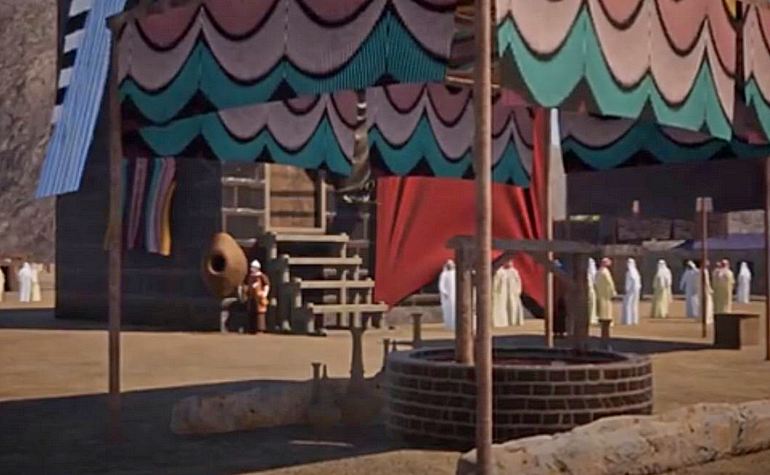
- Two basins were created around the Ka’bah. The one closest to the Ka’bah was used for drinking, the other was used for washing.
Custodianship to Abbas and his family
- This was agreed and Abbas became the custodian. The supervision of the well was subsequently passed onto his son Abdullah, then to his son Ali, then his son Dawud, then his son Sulaiman, then his son Isa. After that the Zamzam Well was inherited by Isa’s brother Al Mansoor who was a king. After that it was passed on among the Umayyad dynasty.
The Prophet’s (ﷺ) heart is washed
- When the Prophet (ﷺ) was a young boy and playing with other children near Haleemah As-Sadiyah’s house, Jibraeel (عليه السلام) appeared and made him lie down. He then opened up the boy’s chest, took out his heart and extracted a lump of flesh from it, saying: “This is the portion of Shaitan in you”. Then he put his heart in a golden tray filled with Zamzam water, washed it and replaced it in his chest. Anas (رضي الله عنه) later said that he saw the scar on the Prophet’s chest where it had been sewn back together.
The blessings of Zamzam water
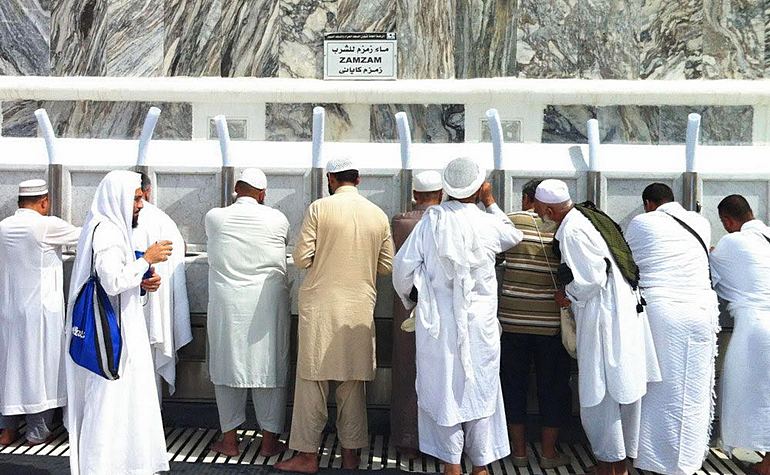
- There is healing power in Zamzam. Ibn Abbas (رضي الله عنه) reports that the Prophet (ﷺ) said, “The best water on the face of the earth is the water of Zamzam. In it is complete nourishment and healing from sickness.” [At-Tabarani]
- Jaabir (رضي الله عنه) says, “I heard the Messenger of Allah (ﷺ) say: ‘Zamzam is a cure for any purpose for which it is drunk’.” Another Hadith states, “If you drink it to quench a thirst, it will do so, and if you drink it to fill the stomach in place of food, it will do so, and if you drink it for a cure from some illness, it will do so.” [It-Haaf]
- Ibn Abbas (رضي الله عنه) reports that when the Prophet (ﷺ) drank Zamzam he said the following prayer: “O Allah, grant me beneficial knowledge, abundant sustenance and a cure from all diseases.”
Reference in the Bible
- The Bible makes a reference of the miracle of Zamzam when it talks about the passing through of Ismail (عليه السلام) and his mother through the valley: “Blessed is the man whose strength is in Thee; in whose heart are the ways of them who passing through the valley of Bacca make it a well.” [Psalm 84:5-6. Note that the Quran also refers to Makkah as Bakkah]
Some facts and figures about the well
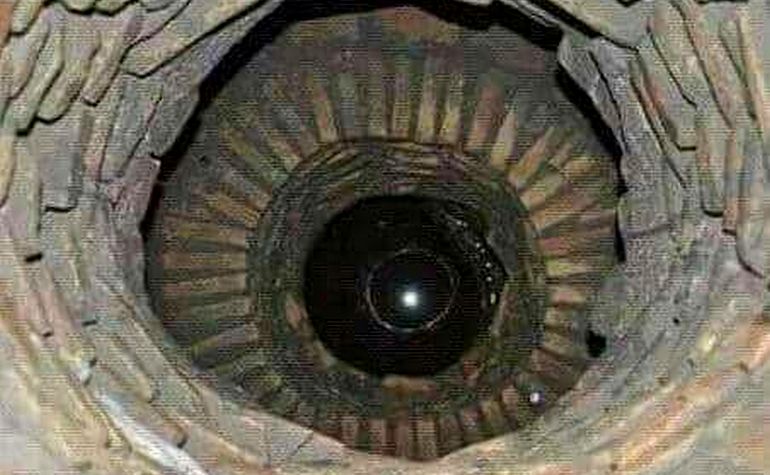
- The Zamzam Well is located 21 meters from the Ka’bah, towards the side of the Maqame Ebrahim.
- Its depth is approximately 31 meters.
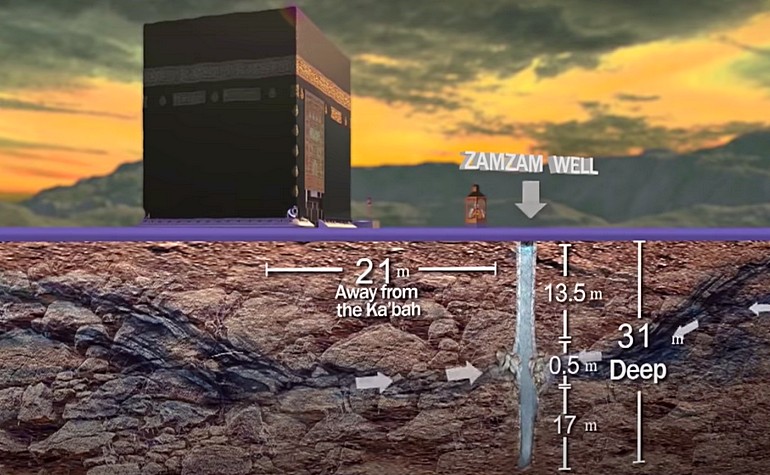
- The water comes from two springs, one from the Ka’bah direction, the other from Mount Abu Qubais.
- Water used to be drawn manually by bucket, electric pumps now pump water into tanks.
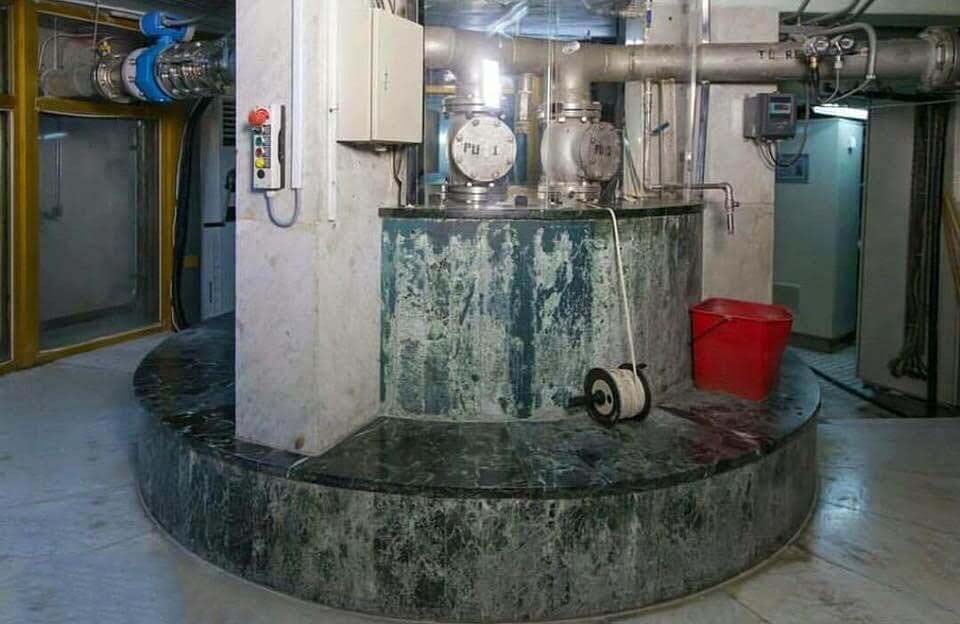
- Two pumps work alternatively to extract the water.
- At a minimum they pump 11 litres per second. At the maximum level they can pump 18.5 litres per second.
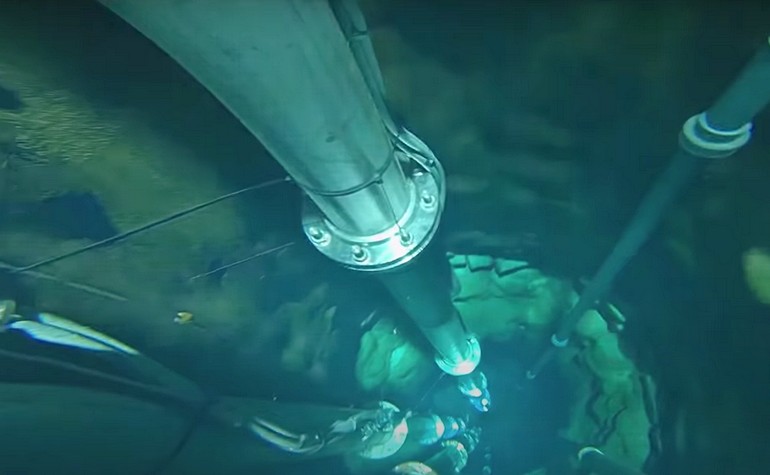
- Normally they pump 150,000 litres per day. In busy periods, such as Ramadhan and Hajj, 400,000 litres is extracted.
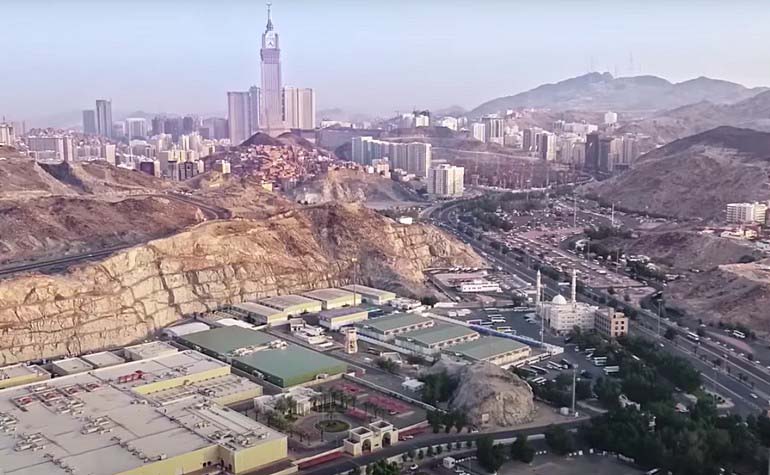
- Water is transmitted to the King Abdullah bin Abdul Aziz plant in the Kuday through special pipelines to be processed and bottled.
Historic photos
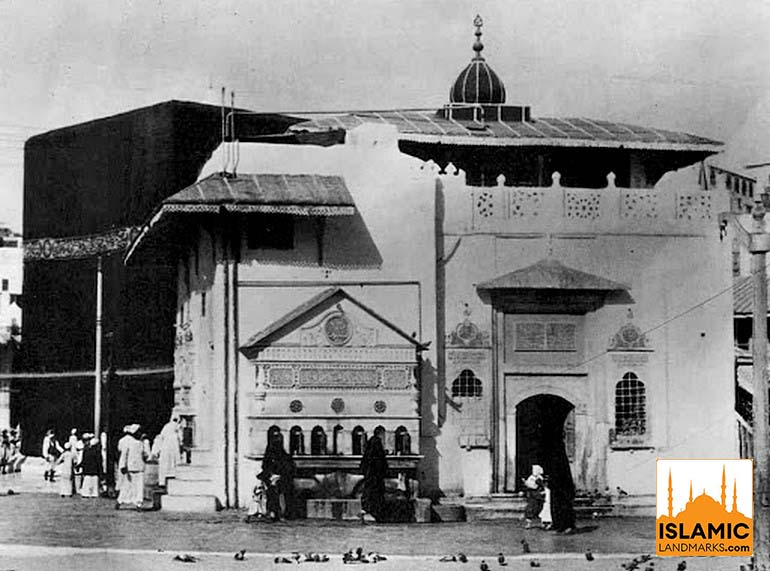
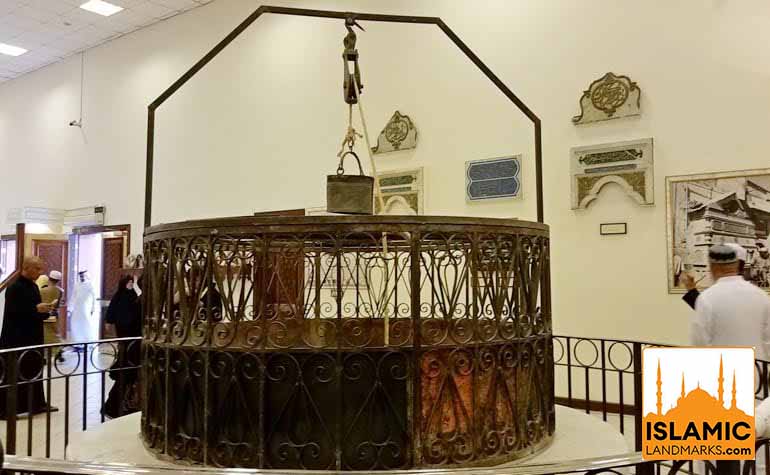
- During Ottoman times the Zamzam Well was housed within a building on the Mataf. This was demolished in the 1960s to ease the flow of worshippers on the Mataf.
- Up until 1953 Zamzam water would be drawn out manually by bucket.
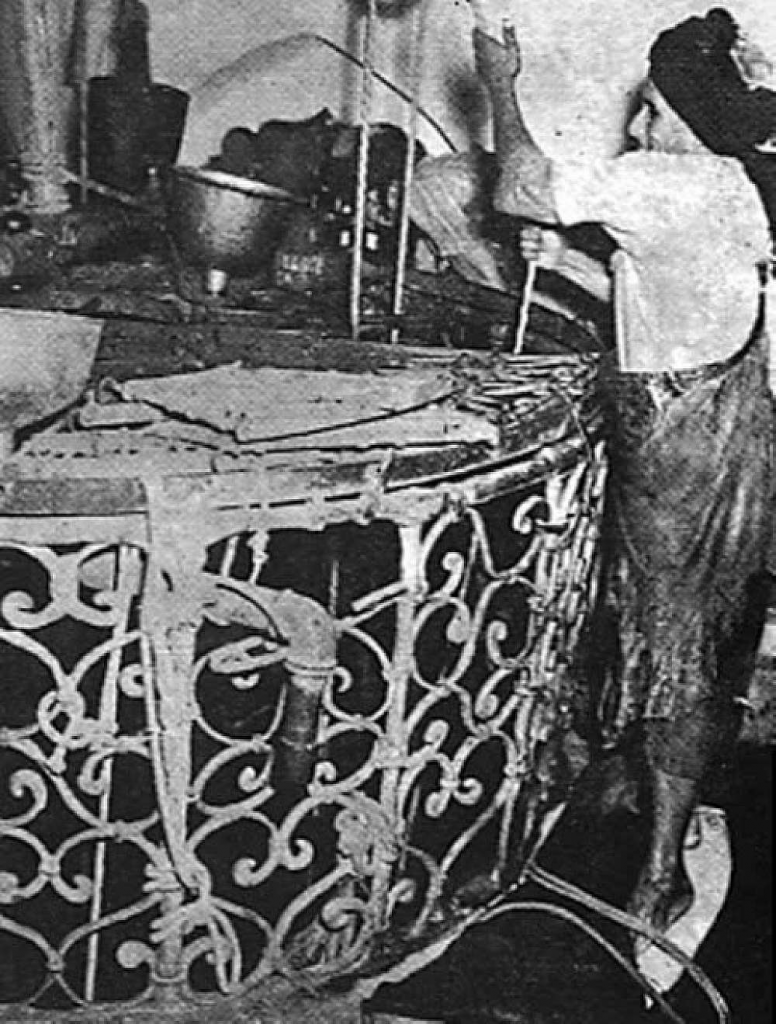
- The old well structure is displayed in the Makkah Museum.
References: The History of Makkah Mukarramah – Dr Muhammad Ilyas Abdul Ghani, Holy Makkah – Shaikh Safiur-Rahman Mubarakpuri, When the Moon Split – Shaikh Safiur-Rahman Mubarakpuri, Virtues of Hajj – Sheikh Zakariyya Kandhalvi, Muhammad – Martin Lings, Wikipedia, Documentary: Zamzam The Blessed Water
]]>- There are five Miqats which surround Makkah. Four of them were established by the Prophet (ﷺ), the other by Umar (رضي الله عنه) during his Caliphate.
- Abdullah bin Abbas (رضي الله عنه) said, “The Messenger of Allah designated Dhul Hulaifah as the Miqat for the people of Al-Madinah, Al-Johfa for the people of Ash-Sham, Qarn for the people of Najd, and Yalamlam for the people of Yemen.” [Bukhari]
The Dhul Hulaifah Miqat
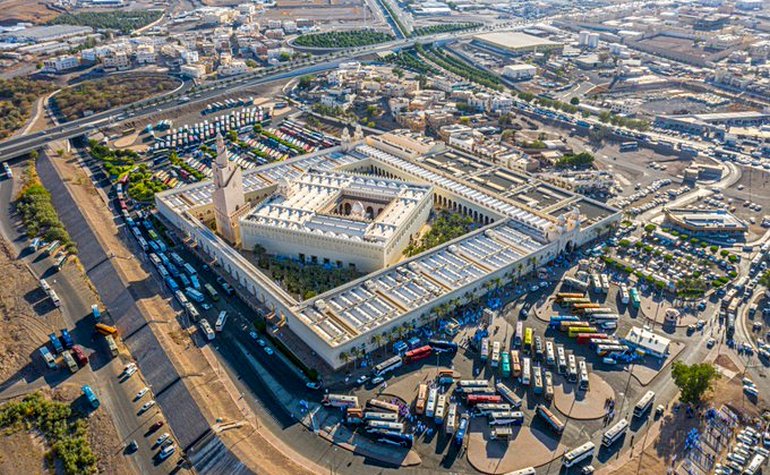
- It’s located around 10km south-west from Masjid-e-Nabwi in Madinah and 450km north of Makkah.
- Dhul Hulaifah serves as the Miqat for those who live in Madinah and for those who approach Makkah from that direction.
- The area is also known as Abyaar Ali.
The Dhat Irq Miqat
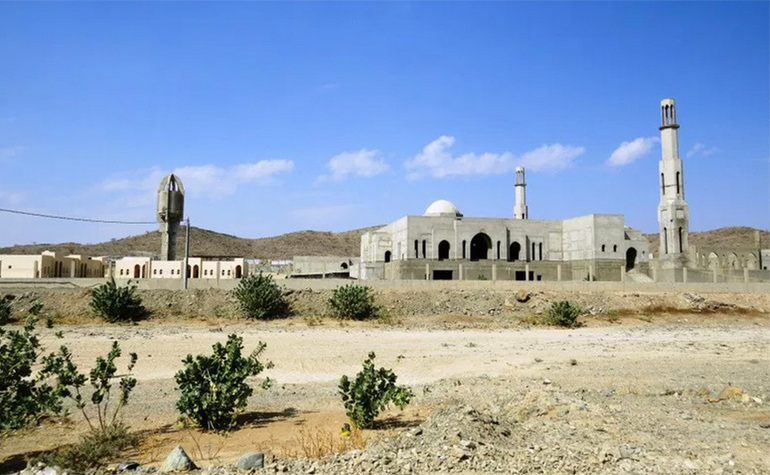
- It’s located 94km north-east from Makkah, serving as the Miqat for the people of Iraq, Iran and those travelling to Makkah from that general direction.
- Dhat Irq Miqat was established during the Caliphate of Umar (رضي الله عنه), after Basra and Kufa were conquered.
- The area is named after a large mountain in the region called Irq Aswad.
The Qarn al-Manazil Miqat
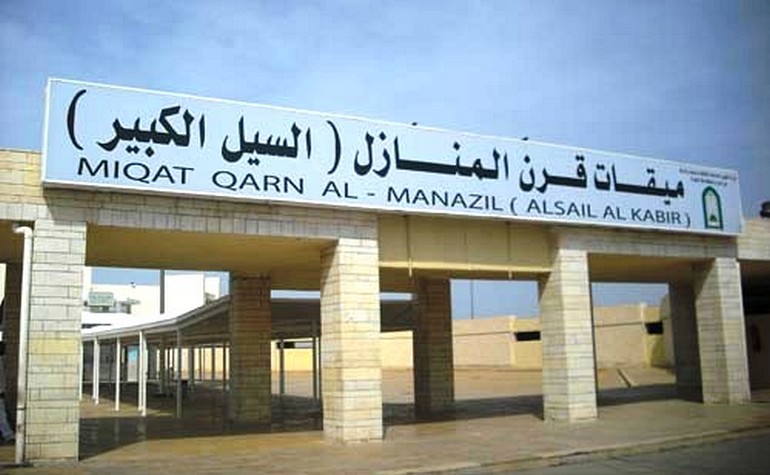
- It’s located 75km east of Makkah, in the village of As-Sayl al-Kabir.
- Qarn al-Manazil is the Miqat for the people of Najd and those coming from Taif and Riyadh.
- When the Prophet (ﷺ) was persecuted by the people of Taif in the 10th year of his mission, it was in this area that the angel Jibraeel (عليه السلام) appeared before him.
The Yalamlam Miqat
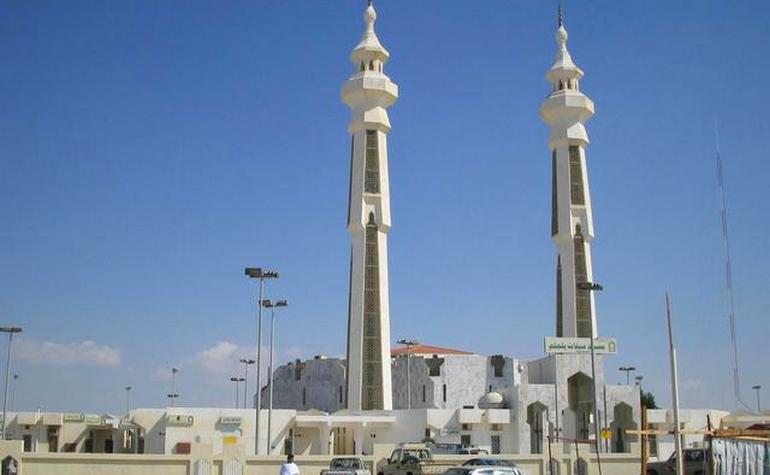
- It’s located 92 km south of Makkah.
- Yalamlam serves as the Miqat for the people of Yemen and those coming from a southerly direction. In the past it was used by people from the Indian sub-continent who would travel by ship.
- The area is also known as Sa’diyyah.
The Al-Johfa Miqat
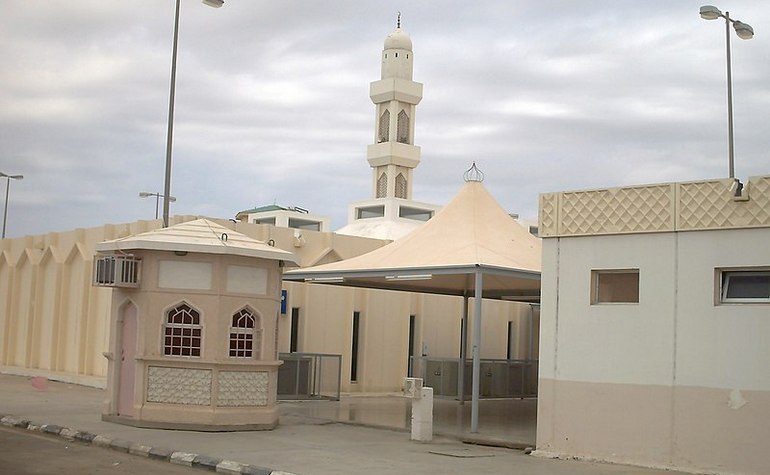
- It’s located around 183km north-west of Makkah.
- Al-Johfa serves as the Miqat for the people who come from the direction of Syria, Egypt, Turkey and other countries from that region.
- When the Prophet (ﷺ) set out from Madinah to conquer Makkah, his uncle Abbas (رضي الله عنه) met him at Al-Johfa.
References: The History of Makkah Mukarramah – Dr. Muhammad Ilyas Abdul Ghani
]]>- Abu Rafi’, who was in charge of the luggage of the Prophet (ﷺ) narrates, “The Prophet (ﷺ) did not command me to stop in Al-Abtah, but I pitched his tent for him there, and he came and stayed there.”
- Aisha (may Allah be pleased with her says, “The Prophet (ﷺ) stopped there because it was easier for him when he wanted to leave, so whoever wanted to, could stop there. And however did not want to, did not do so.”
- The word ‘Abtah’ is derived from the root word ‘bat’h’, which indicates that something is spread and stretched out.
- Al-Abtah is now part of the city of Makkah. There is a long road that runs through it called Al-Abtah Road. It is a wide road, full of buildings and markets, and it is on the route that the pilgrims take from Masjid Al-Haram to Mina.
References: Holy Makkah – Shaikh Safiur-Rahman Mubarakpuri
]]>Mina in the Quran
- Mina is referenced in Surah Baqarah in the Quran: “And remember Allah during [specific] numbered days. Then whoever hastens [his departure] in two days – there is no sin upon him; and whoever delays [until the third] – there is no sin upon him – for him who fears Allah . And fear Allah and know that unto Him you will be gathered.” [2:203]
Meaning of ‘Mina’
- Mina is derived from the word with the root letters ma-na-ya which means ‘to be put to the test’ or ‘to undergo‘ or ‘to find’. It is connected to word ‘manna‘ and ‘tamanna‘ which means ‘to awaken a desire’ or ‘to hope for’.
- Another reason it is called Mina is because it is connected to the test that Prophet Ebrahim (عليه السلام) had to undergo when he was ordered to slaughter his son. When his resolve was proven, he sacrificed a ram in place of his son. The name implies the ‘place where he was tested’ and the ‘place where he succeeded’.
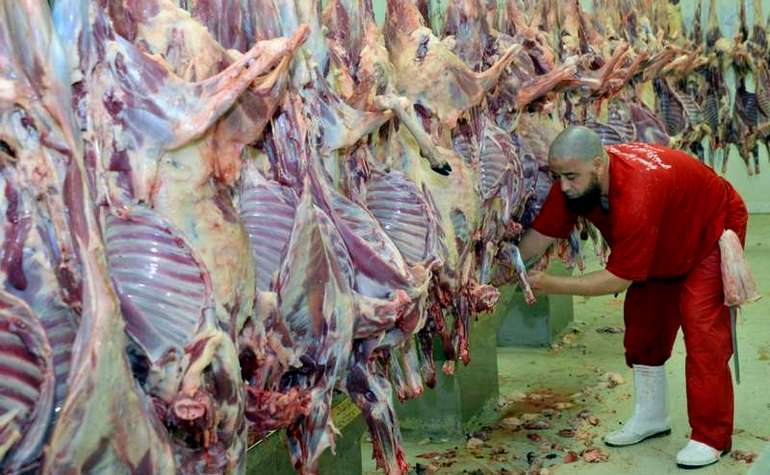
- The word Mina can also mean ‘to flow’ because here the blood of sacrificial animals flows during the festival day of Eidul Adha. During the Farewell Pilgrimage (Hajjat-ul-Wada) the Muslims had brought with them 100 camels to be sacrificed.
Sacrifices offered by the Prophet (ﷺ)
- On the 10th Dhul Hijjah the Prophet (ﷺ) stoned the Jamarat and went back to his camp in Mina where he sacrificed 63 of the camels. Ali (رضي الله عنه) slaughtered the remaining 37 camels and the Prophet (ﷺ) instructed that a part of each camel is cooked and served to him and his Companions.
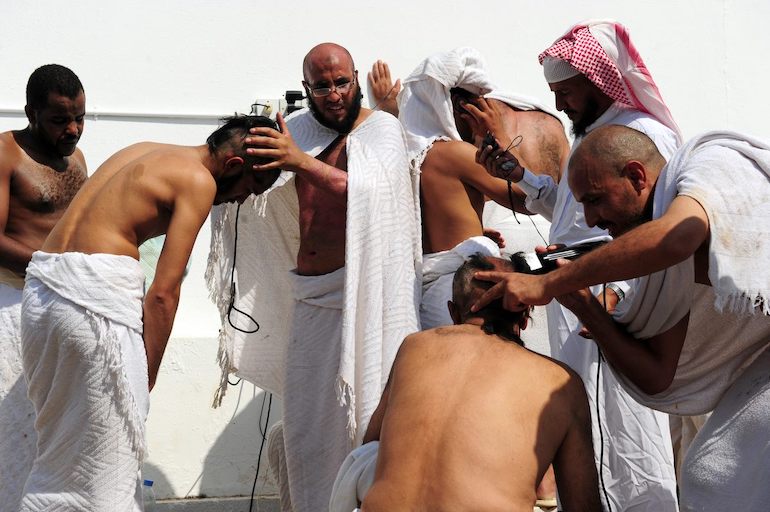
- After the camels had been sacrificed, the Prophet (ﷺ) called for a barber to shave his head. Abu Bakr (رضي الله عنه) remarked afterwards on the contrast between the Khalid bin Waleed before he embraced Islam (when he was a bitter enemy of the Muslims) and the Khalid who now said, “O Messenger of Allah, they forelock! Give it unto none but me, my father and my mother be thy ransom!” And when the Prophet (ﷺ) gave it to him he pressed it reverently against his eyes and lips. It is reported that Khalid bin Waleed (رضي الله عنه) used to keep this hair in his headgear.
The Cave of Mursalaat
- There lies a cave in Mina known as the ‘Cave of Mursalaat’ as this was where the Prophet (ﷺ) was when Surah Mursalaat was revealed to him.
Capacity of Mina
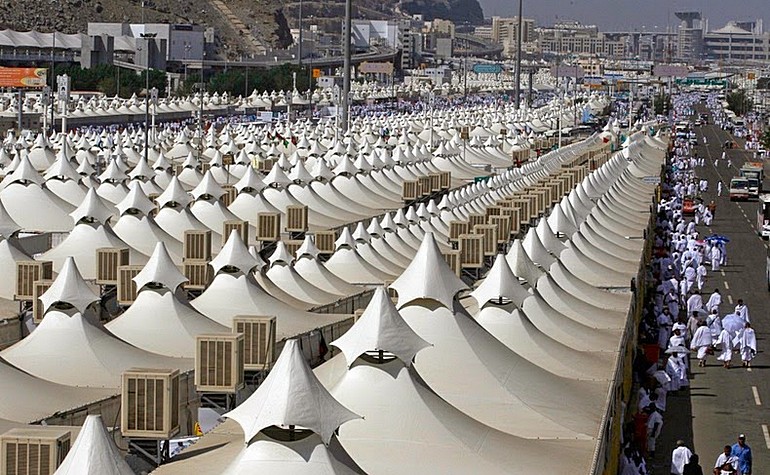
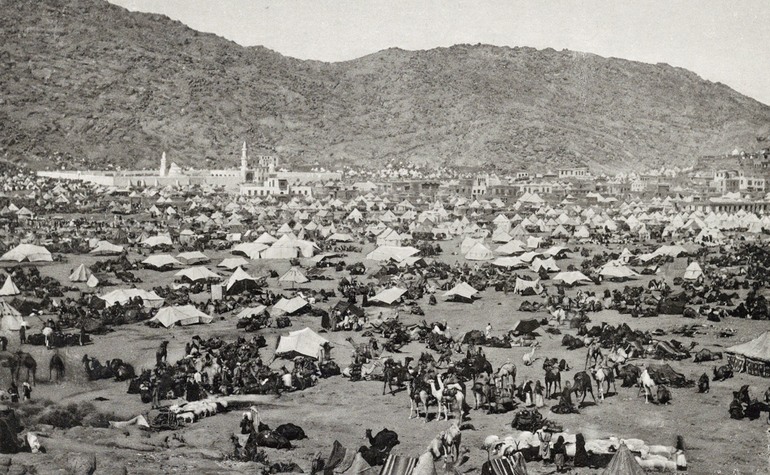
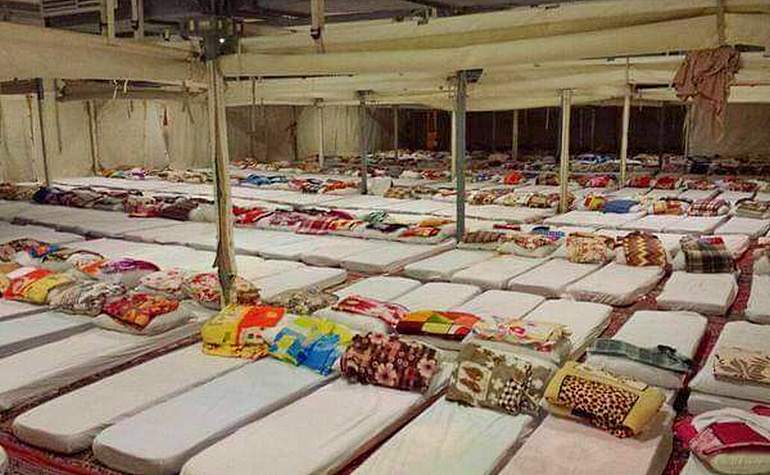
- Around 3 million pilgrims stay annually in Mina as part of the Hajj pilgrimage. The 20 km2 area accommodates them in more than 100,000 air-conditioned tents, leading to Mina also being known as the ‘Tent City’.
Points of reflection at Mina
- When we look back at the Seerah we see the First Pledge by a group of 12 Men (from Madinah) was taken in Mina. This consisted of not to associate partners with Allah, not to steal, commit adultery, kill children, bring false statements upon one another and not to be disobedient [when ordered] to do a good deed.
- This marked the turning point and revolution of Yathrib which later became the luminous city of Madinah. In this very spot if we also take similar pledges, will it not instil the love for Allah and his messengers the way the companions did.
- In this early part of Hajj the heart of the Pilgrim starts to take its turn to a more religious and spiritual journey which is to last a lifetime.
References: The History of Makkah Mukarramah – Dr. Muhammad Ilyas Abdul Ghani, When the Moon Split – Shaikh Safiur-Rahman Mubarakpuri, Men around the Messenger – Khalid Mohammed Khalid, Muhammad – Martin Lings
]]>Meaning of ‘Arafat’
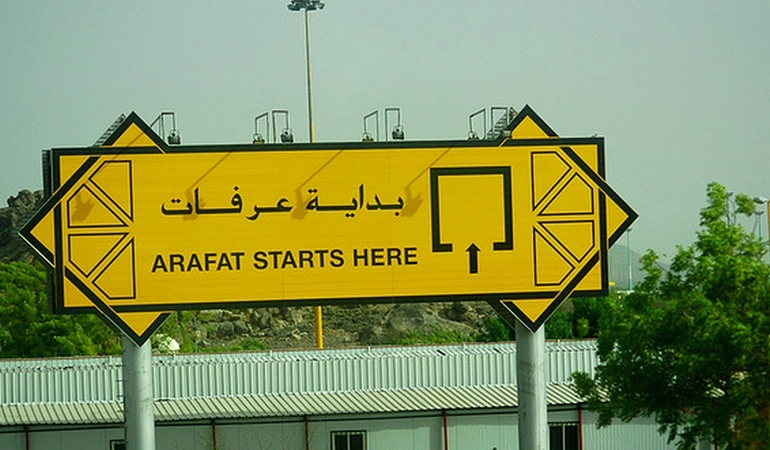
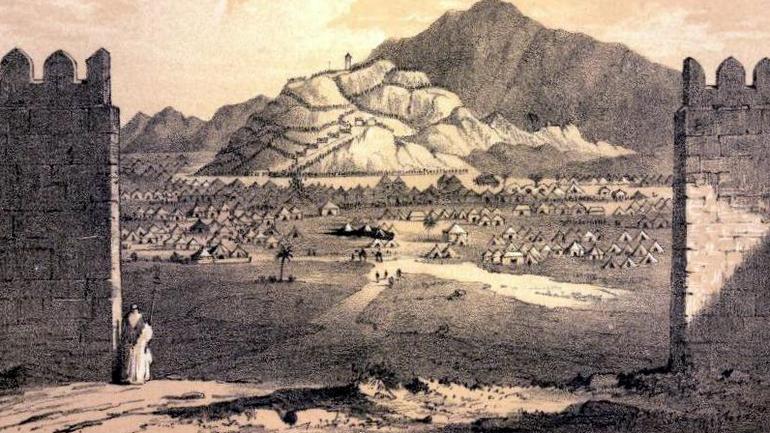
- The common meaning of the word Arafat is ‘to know’. After being taken out of Jannah and placed on Earth, it was at Jabal Arafat that Prophet Adam (عليه السلام) and Hawa (عليها السلام) met up again.
- Arafah (عرفة) is the name of the day, and Arafat (عرفات) is the name of the land.
Importance of Arafat for the Hujjaj
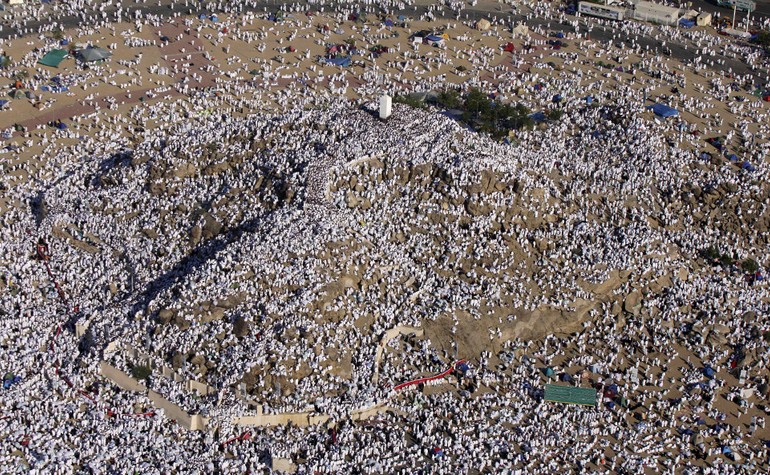
- Standing on Arafat is an essential part of the Hajj; whoever misses the standing on Arafat has missed Hajj, because the Prophet (ﷺ) said: “Hajj is Arafat.” [al-Hakim]
- The day of Arafat has many virtues, as was narrated in many Ahadith. Aisha (رضي الله عنها) narrated that the Prophet (ﷺ) said: “There is no day in which Allah sets free more souls from the fire of hell than on the day of Arafat. And on that day Allah draws near to the earth and by way of exhibiting His Pride remarks to the angels, ‘What is the desire of these (servants of mine)?'” [Muslim]
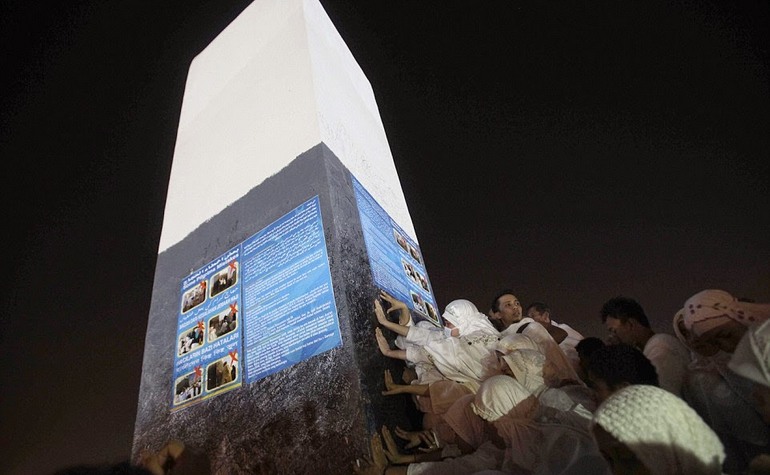
Du’a on the Day of Arafat
- The Prophet (ﷺ) said, “The best invocation on the day of Arafat, and the best of all the invocations I ever offered or other holy Prophets before me ever offered is: “There is no god but Allah: He is Unique ; He hath no partner, the whole universe is for Him and for Him is the praise, and He hath power over all things.” [Tirmidhi]

- In another Hadith the Prophet (ﷺ) said: “Apart from the day of the Battle of Badr there is no day on which the Shaitan is seen to be more humiliated, more rejected, more depressed and more infuriated, than on the day of Arafat, and indeed all this is only because of beholding the abundance of descending mercy (on the day) and Allah’s forgiveness of the great sins of the servants.“ [Mishkat]
Fasting on the Day of Arafat
- One of the virtues of the day of Arafat is that fasting this day expiates for the sins of the past and coming year. It was reported from Abu Qatadah that a man said: “O Messenger of Allah, what do you think of fasting on the day of Arafat?” He said: “It expiates for the sins of the previous year and of the coming year” [Muslim]
- This (fasting) is mustahab (desirable) for those who are not on Hajj. In the case of the one who is on Hajj, it is not Sunnah for him to fast on the Day of Arafat, because the Prophet (ﷺ) did not fast on this day when he was in Arafat.
Points of reflection at Jabal Arafat
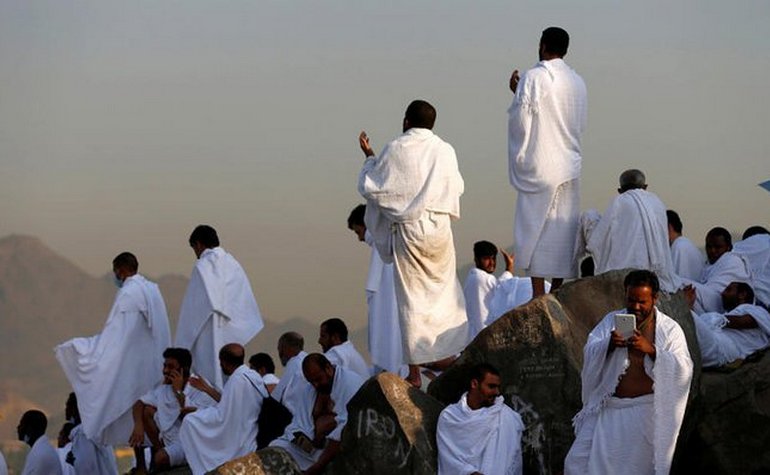
- Jabal Arafat is a special place of Du’a (supplication). The virtue of this place is in asking from Allah (ﷻ) and the response is promised. Our beloved Prophet (ﷺ) and Prophet Ebrahim (عليه السلام) made Du’a at this very spot.
- The pilgrims heart should filled with nothing but neediness; which is presented in heartfelt Du’as. What better day to ask and we are the only losers if we don’t take a share of the promised response from the Almighty.
References: The History of Makkah Mukarramah – Dr. Muhammad Ilyas Abdul Ghani, Holy Makkah – Shaikh Safiur-Rahman Mubarakpuri, Virtues of Hajj – Sheikh Zakariyya Kandhalvi
]]>Who was Zubaidah?
- Zubaidah bint Ja’far ibn Mansur was the wife of the fifth Abbasid Caliph Harun ar-Rashid. She was extremely wealthy but was also known for her personal piety and humbleness. It’s said that her living quarters in her palace in Iraq sounded like a beehive due to the female reciters of the Quran she had employed.
- Zubaidah devoted her life in humanitarian work but her greatest accomplishment was improving the 900 mile pilgrim route that connected Kufa to Makkah and Madinah. This became known as the ‘Darb-e-Zubaidah’.
The instigation of the Canal of Zubaidah
- In the year 809 CE (193 AH), Zubaidah went on her fifth Hajj. That year there had been a drought in Makkah and she witnessed the devastating effect on the local population and the pilgrims.
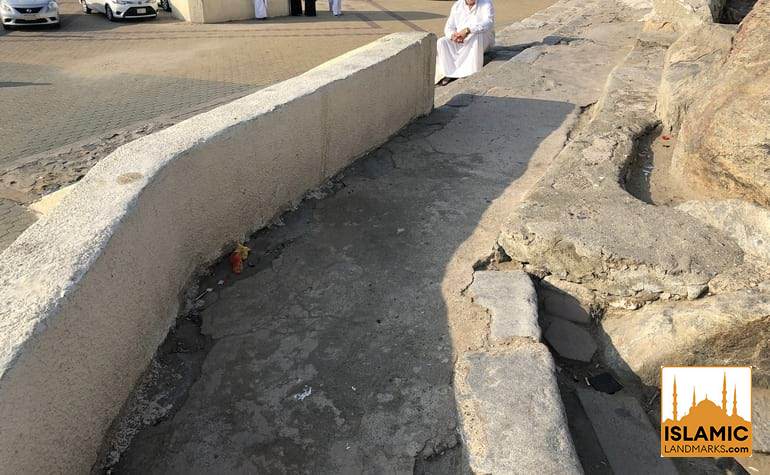
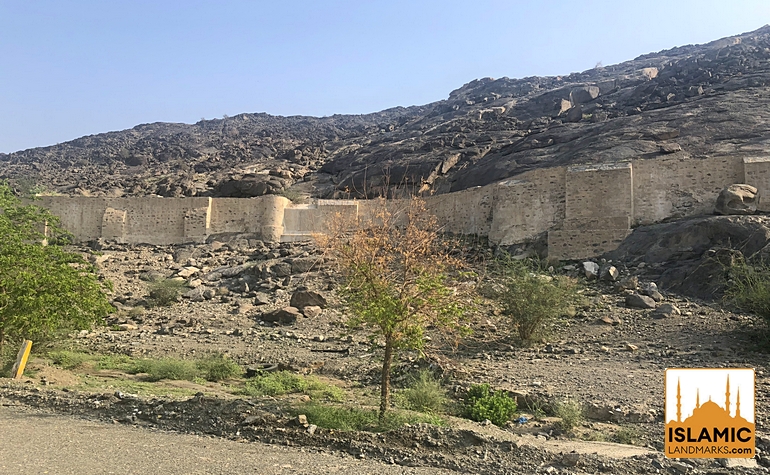
- Saddened by the situation she immediately called for a solution. Engineers and experts from different regions were employed to resolve the crisis. They proposed the building of a canal from the spring of Hunain which was 95km to the east. However, it wasn’t possible to build a canal on the surface because of the rocky and barren land. Instead, engineers chose to build an aqueduct which channeled water through a tunnel and provided it at different intervals where required.
Building the Canal of Zubaidah
- Zubaidah purchased the entire Hunain Valley to make use of its water resources. The engineering was a huge feat, requiring extensive digging and building on rocky hills. The whole cost was met by Zubaida. According to the biographer Ibn Khallikan, when she was cautioned her about the expense, she replied that she was determined to carry out the work “were every stroke of a pickaxe to cost a dinar”.
- After several years of building work the canal was extended out to Mount Arafat and then to the plains of Mina and Muzdalifah. In total, it was approximately 35km long.
- The canal would go on to serve both locals and pilgrims for over one thousand years.
Decline of the canal
- The canal suffered gradual neglect and its function declined as a result of cracks and leaks. By 1980 the water had completely dried up.
- There are apparent proposals by the Saudi government to restore part of the canal.
References: ArabNews.com, Lifeofarabs.com
]]>After praising, and thanking Allah the Prophet (ﷺ) said:
O People, lend me an attentive ear, for I know not whether after this year, I shall ever be amongst you again. Therefore listen to what I am saying to you very carefully and take these words to those who could not be present today. O People, just as you regard this month, this day, this city as Sacred, so regard the life and property of every Muslim as a sacred trust. Return the goods entrusted to you to their rightful owners. Hurt no one so that no one may hurt you. Remember that you will indeed meet your Lord, and that He will indeed reckon your deeds.
Allah has forbidden you to take usury (interest), therefore all interest obligation shall henceforth be waived. Your capital, however, is yours to keep. You will neither inflict nor suffer any inequity. Allah has judged that there shall be no interest and that all the interest due to Abbas ibn ‘Abdul Muttalib (Prophet’s uncle) shall henceforth be waived…
Beware of Shaitan, for the safety of your religion. He has lost all hope that he will ever be able to lead you astray in big things, so beware of following him in small things.
O People, it is true that you have certain rights with regard to your women, but they also have rights over you. Remember that you have taken them as your wives only under Allah’s trust and with His permission. If they abide by your right then to them belongs the right to be fed and clothed in kindness. Do treat your women well and be kind to them for they are your partners and committed helpers. And it is your right that they do not make friends with any one of whom you do not approve, as well as never to be unchaste.
O People, listen to me in earnest, worship Allah, say your five daily prayers (Salah), fast during the month of Ramadan, and give your wealth in Zakat. Perform Hajj if you can afford to. All mankind is from Adam and Eve, an Arab has no superiority over a non-Arab nor a non-Arab has any superiority over an Arab; also a white has no superiority over black nor a black has any superiority over white except by piety and good action. Learn that every Muslim is a brother to every Muslim and that the Muslims constitute one brotherhood.
Nothing shall be legitimate to a Muslim which belongs to a fellow Muslim unless it was given freely and willingly. Do not, therefore, do injustice to yourselves. Remember, one day you will appear before Allah and answer your deeds. So beware, do not stray from the path of righteousness after I am gone.
O People, no prophet or apostle will come after me and no new faith will be born. Reason well, therefore, O People, and understand words which I convey to you. I leave behind me two things, the Quran and my example, the Sunnah and if you follow these you will never go astray.
All those who listen to me shall pass on my words to others and those to others again; and may the last ones understand my words better than those who listen to me directly. Be my witness, O Allah, that I have conveyed your message to your people.”
The Farewell Sermon of the Prophet (ﷺ)
- Shortly after the Prophet (ﷺ) had finished addressing the people, he received a revelation from Allah: “Today I have perfected your religion for you and completed My favour upon you, and I have chosen Islam as your religion.” [5:3]
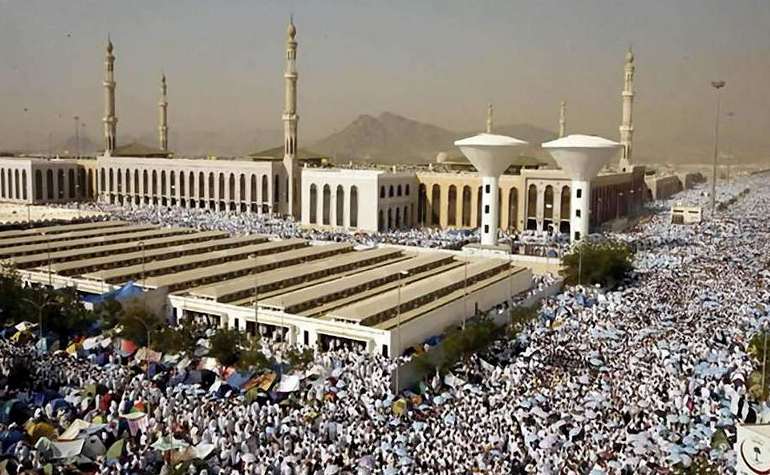
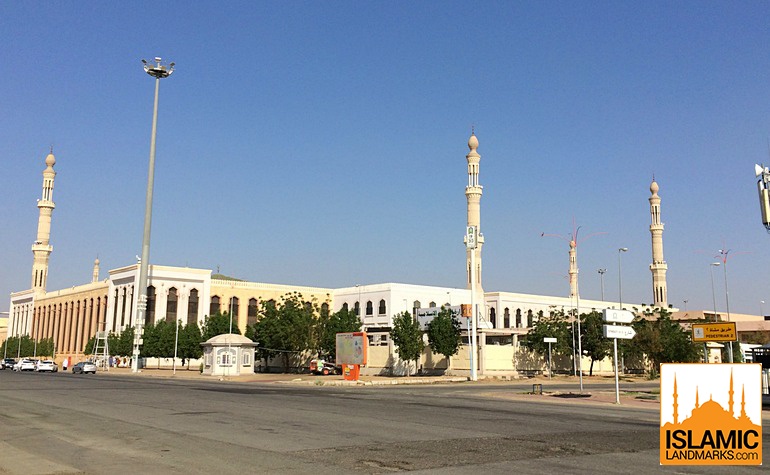
- In the second century of Islam, Masjid Nimrah was built at the spot where the Prophet (ﷺ) delivered the sermon and led the salah. Because Waadi Urana, where the sermon was delivered is outside the boundaries of Arafat, that section of the masjid is naturally also outside the boundaries.
- When the masjid was extended afterwards, it then became divided into two sections; the front section which was the location of the original masjid being outside Arafat and the back section being within the boundaries. After renovations, signboards were erected inside the masjid to inform people about this matter so that after performing their Zuhr and Asar salahs in congregation, they could either move to the back of the masjid or outside to spend the rest of their time in Arafat. Should a person spend all his time from midday to sunset in the front section of the masjid, his stay at Arafat will be invalid and his Hajj will therefore be incomplete.
References: The History of Makkah Mukarramah – Dr Muhammad Ilyas Abdul Ghani, Muhammed the last Prophet – Sayyed Abul Hasan Ali Nadwi, Wikipedia
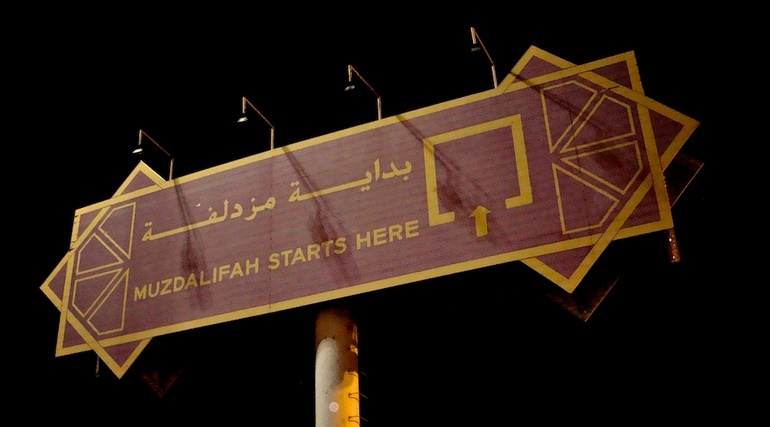
]]>- Muzdalifah stretches from the Valley of Muhassar to the mountains of Ma’zamayn. It is four kilometres long and covers an area of 12.25 square kilometers.
Reference in the Quran
- Allah (ﷻ) mentions in Surah Baqarah in the Quran:“When you leave Arafat, then remember Allah at the Mash’arul Haram.” (‘The Sacred Monument’, referring to Muzdalifah according to Abdullah bin Umar (رضي الله عنه))
Combining of salahs at Muzdalifah
- During the farewell Hajj, the Prophet (ﷺ) performed the Maghrib and Isha salats together here. He stayed at the spot where the present Masjid Mash’arul Haram currently is (towards the Qibla side). From there, the Prophet (ﷺ) said:“Although I am staying here, you may stay anywhere throughout Muzdalifah.” [Muslim]
- During Hajj It is waajib to perform Maghrib and Isha together here at Isha time. Wuqoof (stay) of Muzdalifah is also waajib and its time begins from sub’h saadiq and ends at sunrise. If one spent even a little portion of their time here, he/she will be absolved of this obligation. However, it is best to remain until just before sunrise.

Collecting pebbles
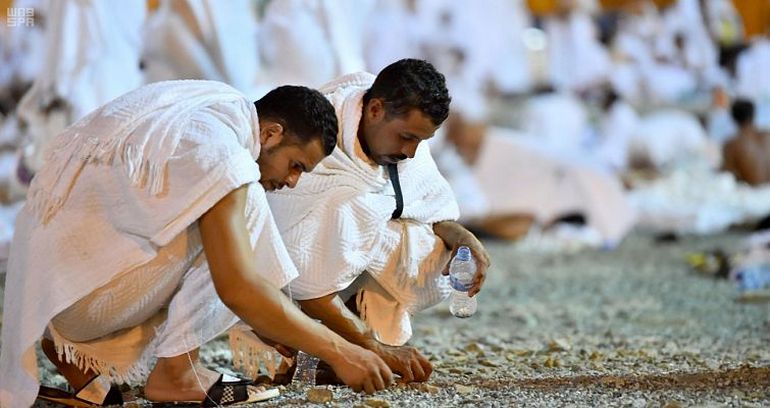
- Although pebbles for pelting the Jamarat may be collected from anywhere, they are best collected from Muzdalifah.
- Muzdalifah is also called ‘Jam’ as it is a place where people gather.
Points of reflection
- This is the night spent before ‘pelting the Shaytan’. The hearts are filled with new resolutions through the Du’as made at Arafat and the picking of stones.
- With each stone that is picked the pilgrim should remembers each sin and blameworthy characteristic they have and know that when they throw the stone they throw their bad habits with it.
References: The History of Makkah Mukarramah – Dr. Muhammad Ilyas Abdul Ghani, Holy Makkah – Shaikh Safiur-Rahman Mubarakpuri
]]>Mashar al-Haram in the Quran
- Allah (ﷻ) mentions in the Quran: “Then when you pour down from (Mount) Arafat, celebrate the praises of Allah at the Sacred Monument, and celebrate His praises as He has directed you, even though, before this, you went astray.” [2:198]

Du’a of the Prophet (ﷺ)
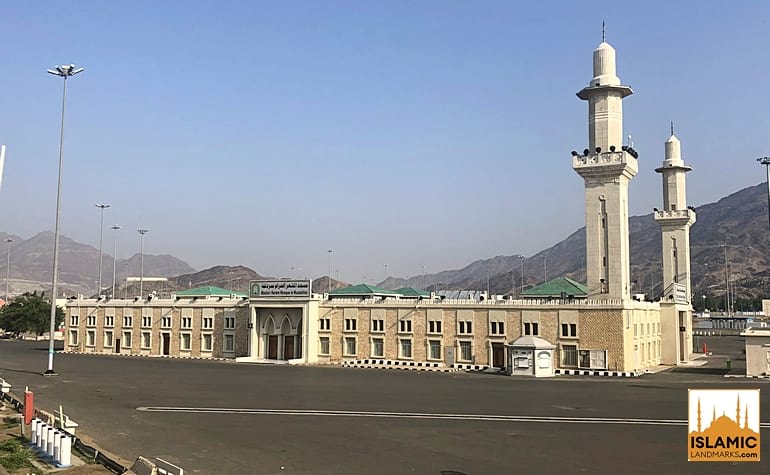
- The Mashar al-Haram is regarded as being a part of Muzdalifah but not all of it. Jabir (رضي الله عنه) reported that the Prophet (peace and blessings of Allah be upon him) stayed in Muzdalifah overnight. He then performed Fajr salah, mounted his she-camel until he came to Mashar al-Haram. After dismounting and facing the Qibla, the Prophet (ﷺ) made du’a, proclaiming the Greatness and Oneness of Allah.
Capacity and location
- The Masjid from east to west is 90m with a width of 56m. More than 12,000 worshippers can be accommodated inside at one time.
- Masjid Mashar al-Haram lies 5km away from Masjid al-Khayf in Mina and 7km from Masjid Nimrah in Arafat.
References: Holy Makkah – Shaikh Safiur-Rahman Mubarakpuri, Guide to visiting Makka and Madinah – Abdul Aziz Ahmed
]]>