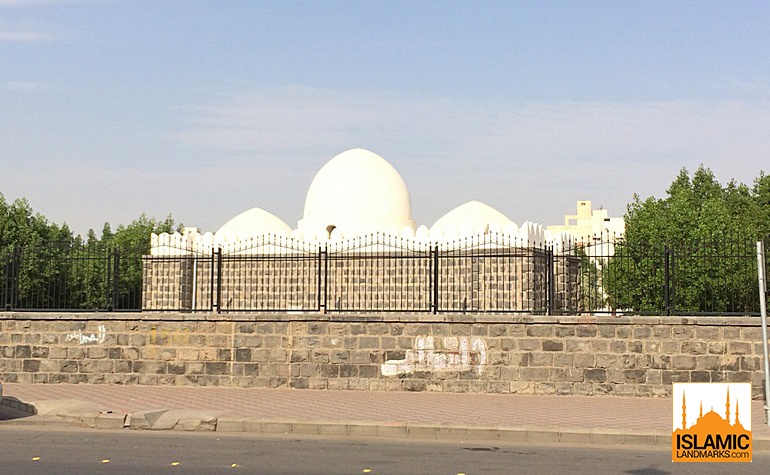
- The Prophet (ﷺ) stopped here on Sunday 12th Ramadhan 2 AH, corresponding to March 13 624 CE.
- The Muslims had set out to intercept a trade caravan headed by Abu Sufyan bin Harb (who at the time was not a Muslim). It consisted of 40 men, 1000 camels and goods worth around 50,000 dinars.
- The army of the Muslims was made up of between 310 to 315 men. There were only 2 horses, one was ridden by Musaib bin Umair (رضي الله عنه), who used to alternate with Zubayr bin al-Awam (رضي الله عنه). The other horse was ridden by Miqdad ibn al-Aswad (رضي الله عنه), who would alternated with Sa’ad bin Khaytama (رضي الله عنه). These four Sahaba who shared the two horses were riding in front of the army.
- Some people were walking on foot, but the Prophet (ﷺ) also assigned groups to take turns riding the 70 camels they had between them.. The Prophet (ﷺ) and the two people who were riding on either side of him, Ali and Abu Lubaba (رضي الله عنهم), were taking turns riding one camel.
- The weaknesses in the Muslim army greatly concerned the Prophet (ﷺ). When he weighed up the odds, he prayed to Allah (ﷻ) saying, “O Allah! The Muslims are barefooted and only You can provide them with animals to ride on. They are hungry and only You can feed them. They are poor and only You can enrich them.”
- The Prophet (ﷺ) awarded the white standard to Musaib bin Umair (رضي الله عنه). The Muhajireen were given a separate standard which was carried by Ali (رضي الله عنه), while the standard of the Ansar was held by Sa’d bin Mu’adh (رضي الله عنه).
- In the Prophet’s (ﷺ) absence in Madinah, the blind Sahabi Abdullah bin Ummi Maqtum (رضي الله عنه) was assigned to lead the salah.
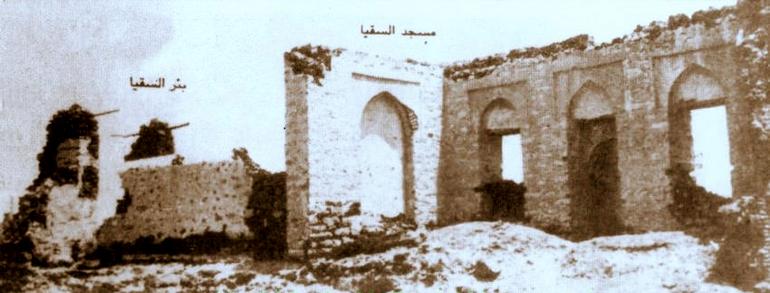
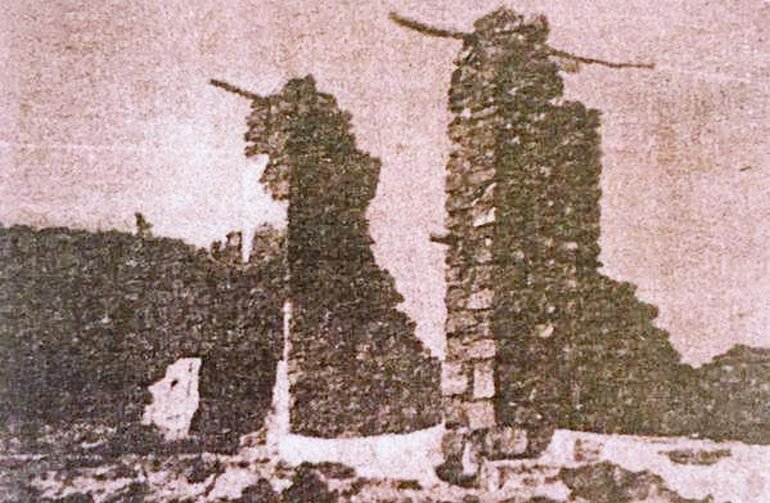
- Towards the south of Masjid al-Suqya, just outside the boundary wall of the railway station, was a well which belonged to Sa’ad bin Abi Waqqas (رضي الله عنه). On his way to the battle of Badr the Prophet (ﷺ) performed ablution with its water. Water was also drawn from here for him to drink.
- During the Caliphate of Umar (رضي الله عنه), the uncle of the Prophet (ﷺ), Abbas bin Abdul Muttalib (رضي الله عنه) was asked to lead the Istisqaa prayer (a special prayer for rain) here.
- Masjid al-Suqya was originally built by Umar bin Abdul Aziz (رحمه الله) and restored during the recent rule of King Fahd.
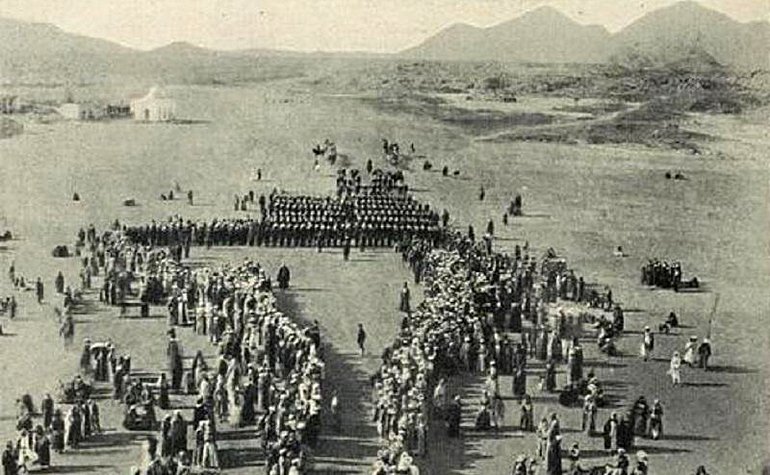
- The Prophet (ﷺ) also made du’a here for barakah (blessings) for Madinah. There are numerous variations of this du’a, possibly the one that was made at the time could have been the following. Narrated ‘Abdullah bin Zaid: The Prophet (ﷺ) said,“The Prophet Ebrahim made Makkah a sanctuary, and asked for Allah’s blessing in it. I made Madinah a sanctuary as Ebrahim made Makkah a sanctuary and I asked for Allah’s Blessing in its measures the mudd’ and the sa’ (units of measurement) as Ebrahim did for Makkah, O Allah! Bless them in their measure, and bless them in their sa’ and mudd’.” He meant the people of Madinah.
References: History of Madinah Munawwarah – Dr. Muhammad Ilyas Abdul Ghani, Al-Miskeenah.com
]]>- The Prophet (ﷺ) marched out along the road from Madinah to Makkah, passing through Naqb al-Madinah, then Al-Aqeeq, then Zul Hulaifah, then Oolat al-Jaish, then Turban, then Malal, then Ghamees al-Hamam, then Sukhairat al-Yamam, then As-Sayyalah, then Fajj ar-Rawha, then Shanookah, proceeding on until they reached Irq al-Zabiyyah.
- Abu Sufyan, the head of the caravan the Muslims were planning to intercept, was highly cautious and would ask every person he met about the movements of the Muslims. He was at a great distance from Badr when he found out that a large band of Muslims had left Madinah. Acting quickly, he turned the caravan westward and headed for the coast, bypassing Badr altogether. He then sent a messenger to Makkah to warn the Quraysh and request reinforcements.
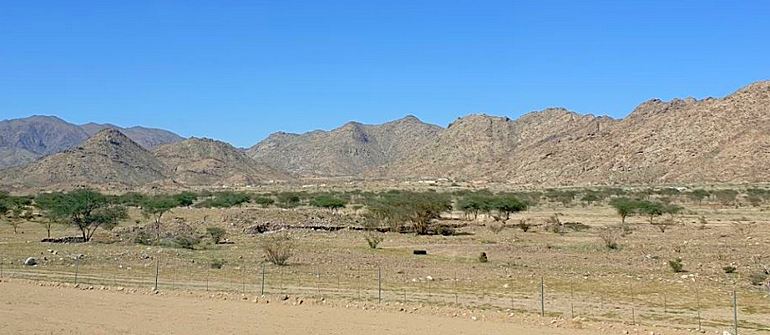
- When the Quraysh received Abu Sufyan’s message, they quickly rounded up a large squadron of men to confront the Muslims and protect the caravan. All the notable chiefs of Makkah, except for Abu Lahab, joined the force, as well as every available man from each of the neighbouring tribes.
- Ibn Ishaq mentioned some numbers about the Quraysh. There were 950 fighters from among the Quraysh and 50 were there for cooking food. They also brought with them entertainers, musicians and songstresses to celebrate their anticipated victory.
- Out of the 950 fighters, 200 were made up of cavalry (men on horses). They had so many camels that as they left Makkah and camped for the first night, Abu Jahal sacrificed 10 camels to feed the entire army. The Quraysh army travelled for a week before they reached the place near Badr. Just in the first week, they had consumed nearly 70 camels.
References: When the Moon Split – Shaykh Safiur Rahman Mubarakpuri, Muhammad (s.a.w.) the Last Prophet – Moulana Sayyed Hasan Ali Nadwi, The Life of Muhammad (s.a.w) – Tahia Al-Ismail, Qalam Seerah notes – Shaykh Abdul Nasir Jangda
]]>- Ar-Rawha has the distinction as being a place where many previous Prophets of Allah passed through on their way to the Ka’bah in Makkah. Anas and Abu Musa al-Ash‘ari (رضي الله عنهم) report that the Prophet (ﷺ) said, “Indeed 70 Ambiya (Prophets) had passed the hill of Rawha enroute to the house of Allah (the Ka’bah)….” [Majma’uz Zawaid]
- There are the historic remains of a masjid at Rawha. Amr ibn ‘Awf (رضي الله عنه) reports that the Prophet (ﷺ) said: “.. Indeed seventy Ambiya (Prophets) prayed salah in this Masjid (at Rawha)…” [Fathul Bari]
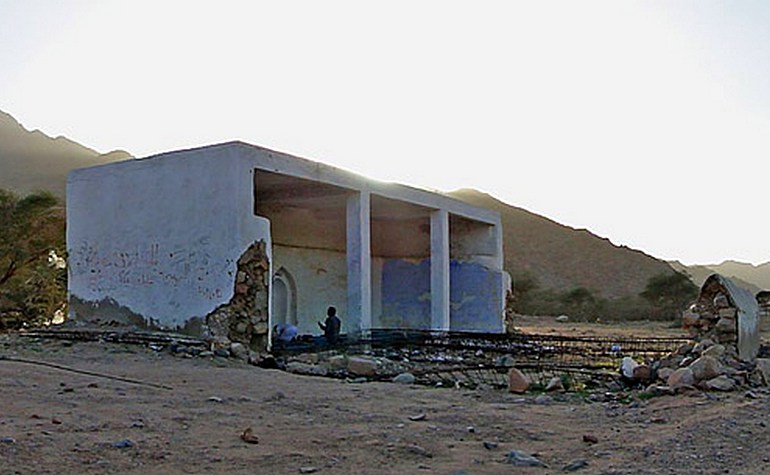
- After reaching Ar-Rawha, the Prophet (ﷺ) sent Abu Lubaba (رضي الله عنه) back to Madinah. He told Abu Lubaba, “Abdullah bin Ummi Maqtum will take care of the masjid and lead the prayers, but you will be in charge of the city of Madinah”. Abu Lubaba was an Ansari from Banu Aus and knew everyone in and outside of Madinah. This was why the Prophet (ﷺ) appointed him to keep watch over the city in his absence.
- Towards the end of time the Prophet Isa [Jesus] (peace be upon him) will pass through ar-Rawha after his return back to Earth. It has been narrated from Abu Hurairah (رضي الله عنه) that the Prophet (blessings and peace of Allah be upon him) said, “By the One in Whose hand is my soul, the son of Maryam will certainly enter ihraam in the valley of ar-Rawha, as a pilgrim performing Hajj or ‘Umrah, or both.” [Muslim]
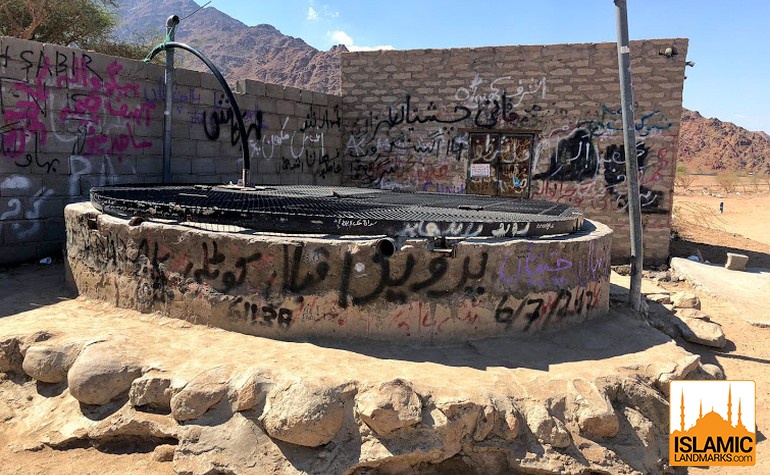
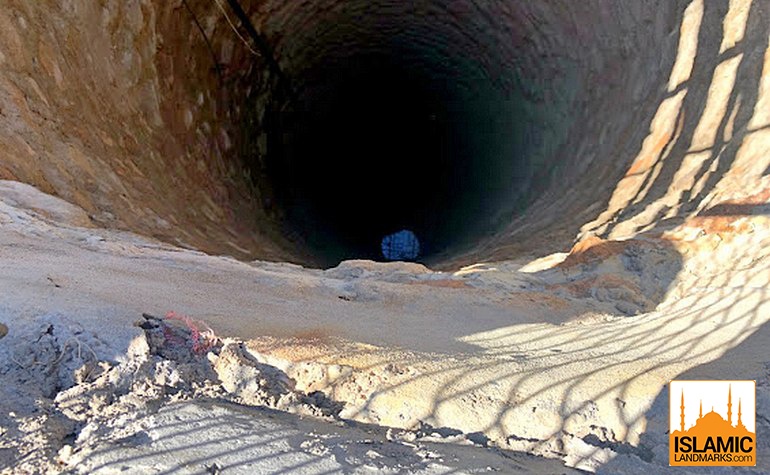
- Water from the well of al-Rawha (Bir Rawha) is available to drink
References: When the Moon Split – Shaykh Safiur Rahman Mubarakpuri, Muhammad (s.a.w.) the Last Prophet – Moulana Sayyed Hasan Ali Nadwi, The Life of Muhammad (s.a.w) – Tahia Al-Ismail, Qalam Seerah notes – Shaykh Abdul Nasir Jangda
]]>- The old name for this area is ‘Al-Munsarif’ which means ‘to leave’.
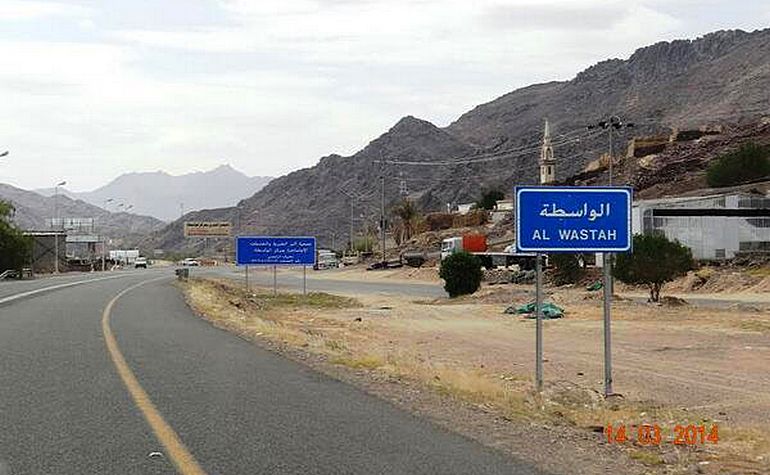
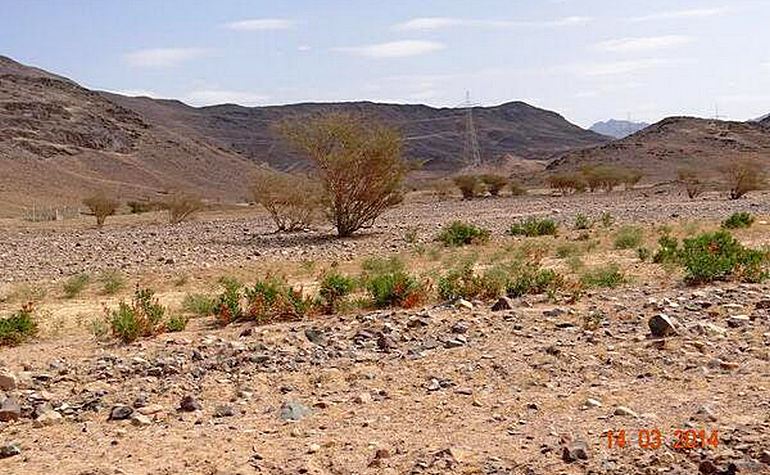
- After leaving Al-Munsarif the Muslim army passed through Al-Wastah and then through the valley of Al-Safra.
References: When the Moon Split – Shaykh Safiur Rahman Mubarakpuri, Muhammad (s.a.w.) the Last Prophet – Moulana Sayyed Hasan Ali Nadwi, The Life of Muhammad (s.a.w) – Tahia Al-Ismail, Qalam Seerah notes – Shaykh Abdul Nasir Jangda
]]>- Abu Sufyan was able to execute a manoeuvre which allowed him to avoid the Muslim army and move past the point where they couldn’t intercept his caravan. He then sent word to the Qurayshi army to let them know he had successfully evaded the Muslims and their goods and money was safe. He advised them to head back to Makkah where he would meet them.
- Some of the Quraysh, when they received this news, left to go back to Makkah because they had no interest in engaging in fighting. However, Abu Jahal would not hear of it. He hated the Prophet (peace and blessings of Allah be upon him) and the Muslims and saw this as an opportunity to exterminate them. He swore that they would not return before they had remained three days by the well of Badr to celebrate, so that none would make the mistake of thinking they had returned out of fear, and so that all the Arabs would hear of their illustrious march. In Surat al-Anfal, Allah (ﷻ) revealed, “And do not be like those who came forth from their homes insolently and to be seen by people and avert them from the way of Allah. And Allah is encompassing of what they do.” [8:47]
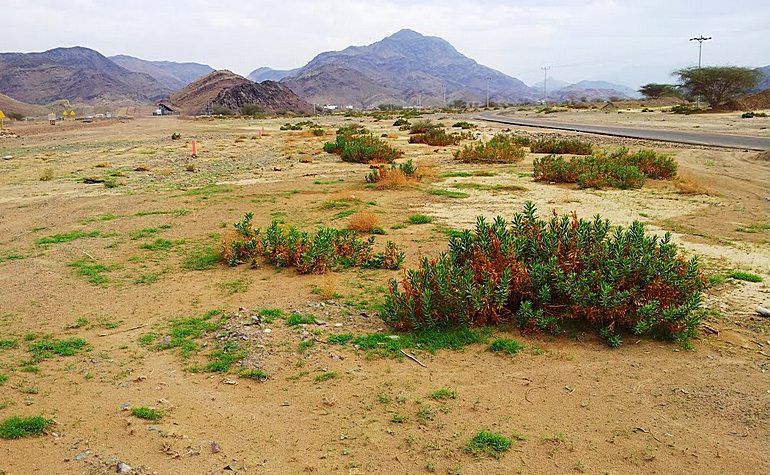
- When the Prophet (ﷺ) heard that the Quraysh had set out from Makkah to stop the Muslims, he consulted his companions. Abu Bakr and Umar (رضي الله عنهم) both gave their opinions, and Miqdad bin Amr (رضي الله عنه) voiced the prevailing sentiment: “O Prophet, we will not say what the Children of Israel said to Musa (عليه السلام), “Go forth, you and your Lord and do battle. We will be waiting here.” [Quran 5:24]. “We will do battle on your right on your left and in front of you and behind you.”
- Miqdad’s words gladdened the Prophet (ﷺ) with their sincerity, for he had worried the Ansar would fight in defense only if they were attacked in Madinah. After all, the second Pledge of Aqabah did not call for the Ansar to fight alongside the Prophet (ﷺ) outside Madinah.
- The Prophet (ﷺ) then asked the men if they all agreed. The Ansar fully understood the reason why he was concerned about them. Sa’d ibn Mu’adh (رضي الله عنه) replied, “It seems that you are alluding to us. Perhaps you fear that the Ansar do not think that they have to help you outside their own territory. I speak for the Ansar and answer for them. Go where you wish, join whom you wish and cut off whom you wish. Take what you wish from our property and give us what you wish. What you take from us is dearer than what you leave. Whatever you command, we will follow it. By Allah, if you were to travel until you reached Bark Ghamdan, we would go with you. By Allah, if you were to cross this sea, we would plunge into it with you.”
- The Prophet rejoiced at his words; and the certainty came to him that they would indeed have to contend with either the army or the caravan but not with both. The Prophet (ﷺ) said: “I bring you glad tidings from Allah. He has promised me either booty from the caravan or victory on the battlefield. By Allah, there is a vision before me of a battlefield, and I see the exact place where each man will fall.”
References: When the Moon Split – Shaykh Safiur Rahman Mubarakpuri, Muhammad (s.a.w.) the Last Prophet – Moulana Sayyed Hasan Ali Nadwi, The Life of Muhammad (s.a.w) – Tahia Al-Ismail, Qalam Seerah notes – Shaykh Abdul Nasir Jangda
]]>- The Prophet (ﷺ) knew that it was vital for them to reach the wells of Badr before the Quraysh army. As they marched, it began to rain, which he saw as a sign of favour from Allah, a blessing and an assurance. The rain refreshed the men and made firm the soft sand of the valley of Yalyal. It also impeded the enemy, who had also arrived and were climbing the slopes of Mount Aqanqal, on the opposite side of the valley from Badr.
- The wells were on the gentler slopes of the near side, and the Prophet ordered a halt at the first well they came to by Al-Udwat Ad-Duniya. However, Hubab ibn al-Mundhir came to him and said: “0 Messenger of Allah, this place where we now are – has Allah revealed it to you, that we should neither advance nor retreat from it, or is it a matter of opinion and strategy of war?”.
- The Prophet (ﷺ) said that it was merely a matter of opinion, whereupon Hubab said: “This is not the place to halt, but take us on, 0 Messenger of Allah, until we come to one of the large wells which is nearest the enemy. Let us halt there and stop up the wells that lie beyond it and make for ourselves a cistern. Then we will fight the enemy, and all the water will be ours to drink, and they will have none.” The Prophet (ﷺ) at once agreed, and Hubab’s plan was carried out in every detail. The further wells were stopped and the cistern was built, and every man filled his drinking vessel. The Messenger of Allah allowed the unbelievers to drink of this water too.
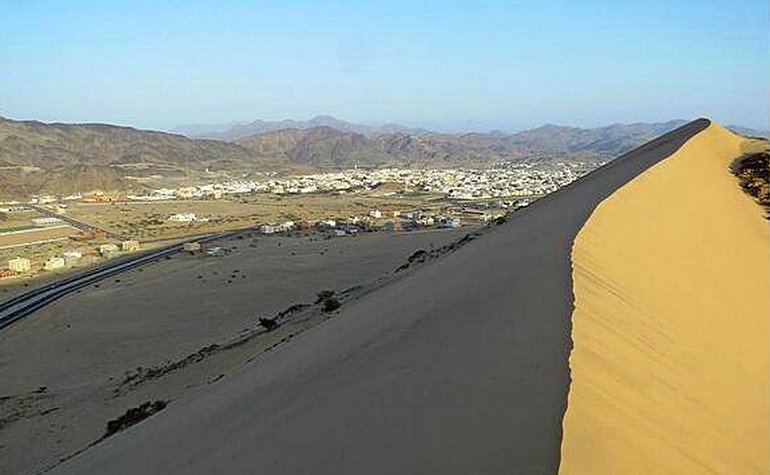
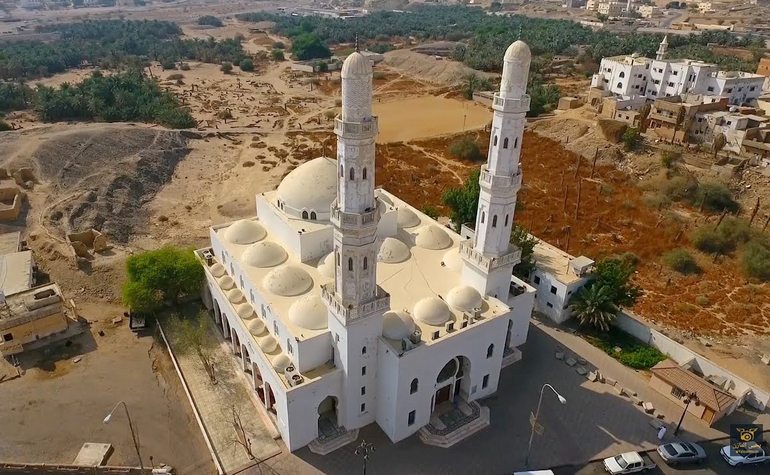
- The Muslims then made a small enclosure of palm branches in which the Prophet (ﷺ) would stay while directing his men during the battle. This is where Masjid Areesh now stands. A group of Ansar youths were put under the command of Sa’d bin Mu’adh (رضي الله عنه) to act as lookouts. After this, the Prophet (ﷺ) walked around Badr with his men, saying “This is the spot where so and so will fall in battle tomorrow, God-willing”.
- The Prophet (ﷺ) spent the whole night preceding the day of the battle in prayer and supplication at the foot of a tree. A gentle rain fell and lulled the men, weary after their long march, into a refreshing sleep. Allah (ﷻ) recounts His favour to the believers in the following verse of the Quran: “Remember how Allah enveloped you with drowsiness to make you feel safe. He caused rain to descend upon you from the heaven so you could clean yourselves-rain that also removed Satan’s influence, strengthened your hearts, and made you stand firm in battle.” [8:11]
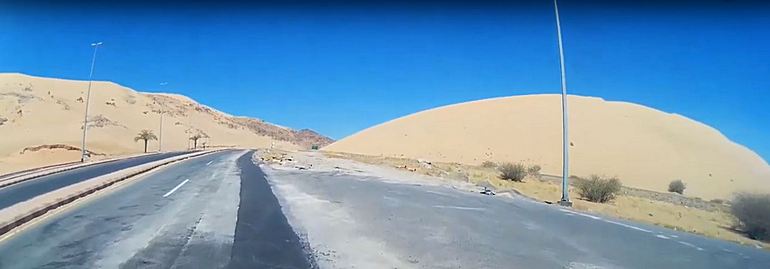
- The Muslims arrived here on the Thursday night, on the eve of the battle.
References: When the Moon Split – Shaykh Safiur Rahman Mubarakpuri, Muhammad (s.a.w.) the Last Prophet – Moulana Sayyed Hasan Ali Nadwi, The Life of Muhammad (s.a.w) – Tahia Al-Ismail, Qalam Seerah notes – Shaykh Abdul Nasir Jangda
]]>- Sa‘d bin Mu‘adh (رضي الله عنه) suggested that a shelter be built for the Prophet (ﷺ) to function as headquarters for the Muslim army. He justified his proposal by saying that if the Muslims were victorious, then everything would be satisfactory. In case of defeat, the Prophet (ﷺ) would not be harmed and he could go back to Madinah where there were more people who loved him and who would come out to help him.
- The Prophet (ﷺ) praised him and invoked blessings upon him, and the shelter was fashioned with branches of palms. A squad of guards were chosen, primarily from among the Ansar under the leadership of Sa‘d bin Mu‘adh (رضي الله عنه) to defend the Prophet (ﷺ).
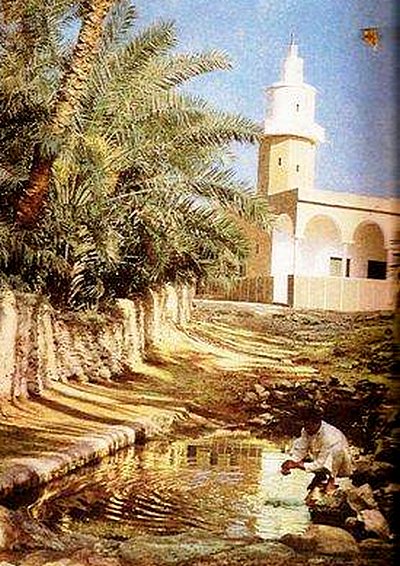
- In preparation of the battle on the night before (some scholars say on the morning of), the Prophet (ﷺ) was in the tent that Sa’ad bin Mu’adh (رضي الله عنه) had constructed. Abu Bakr (رضي الله عنه) was with him. The Prophet (ﷺ) started making dua (supplication) over and over again for hours saying, “O Allah, if you allow this small group of devout believers to be destroyed and perished in the battlefield tomorrow, You will not be worshipped in the earth as You deserve to be worshipped. O Allah, You promised me that You will grant me victory, so grant me victory now. O Allah, we need Your help and victory now.”
- The Prophet (ﷺ) raised his arms up to the sky so high that the shawl he was wearing around his shoulders fell off. Abu Bakr (رضي الله عنه) picked up the shawl and put it back on his shoulders. Then Abu Bakr (رضي الله عنه) embraced the Prophet (ﷺ) from behind and consoled him, “Ya Rasulullah, you have made enough dua to your Rabb. He will fulfil His promise to you. He has fulfilled His promise to you.”
- Abu Bakr (رضي الله عنه) was the main person appointed to watch over the Prophet (ﷺ). The entire time the Prophet (ﷺ) was sitting and making dua, Abu Bakr (رضي الله عنه) was standing and had his sword drawn to watch over him and make sure he was safe.
- When Ali (رضي الله عنه) was Caliph, he gave a khutbah where he said, “O people, who is the bravest of all the people?”. The congregation replied, “You are, O leader of the believers.” Ali (رضي الله عنه) replied, “When you say I’m the bravest of the people, I might have been the most skilled fighter. I never faced anyone in battle that I was never able to defeat. However, the bravest man that I have ever seen in my entire life was none other than Abu Bakr (رضي الله عنه). We had built a tent for the Prophet (ﷺ) in the Battle of Badr. We asked, ‘Who will guard over the Prophet so then nobody would dare go near him from the mushrikoon?’ Wallahi, nobody from amongst us stepped forward faster than Abu Bakr. He drew out his sword & stood right at the head of the Prophet to guard him. Anytime anyone even came in the direction of the Prophet, Abu Bakr would immediately step forth in the direction of that person. He was the bravest of all the people.”
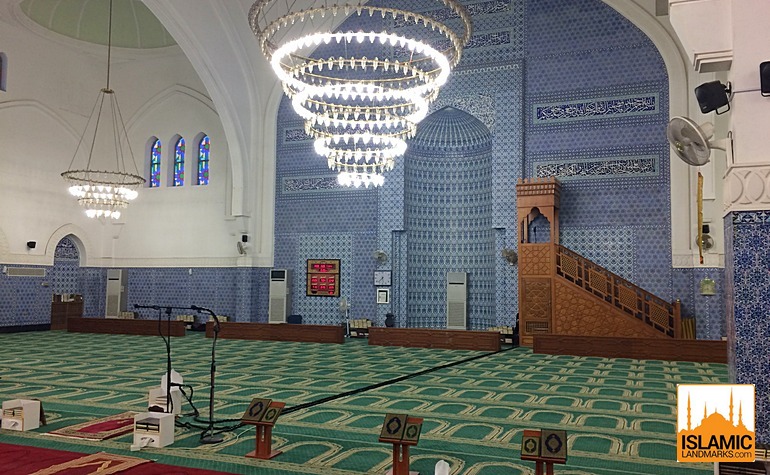
- ‘Areesh’ refers to the shadow of date palms. The original mosque was located approximately where the mimbar is today.
References: When the Moon Split – Shaykh Safiur Rahman Mubarakpuri, Muhammad (s.a.w.) the Last Prophet – Moulana Sayyed Hasan Ali Nadwi, The Life of Muhammad (s.a.w) – Tahia Al-Ismail, Qalam Seerah notes – Shaykh Abdul Nasir Jangda
]]>- At midnight, between Thursday and Friday, the Quraysh army marched into Badr. It had been raining the previous day and they struggled to move their horses and camels up the hill of al-Aqanqal. After they descended from al-Aqanqal, the Makkans set up another camp inside the valley.
- When the Prophet (ﷺ) saw them coming down the hill into the valley he said, “Oh, Allah! This is the Quraysh who have come with their vanity and their pride, contending with You and calling Your Messenger a liar. Oh, Allah! Grant me the victory which You promised me. Oh, Allah! Destroy them on this morning.”
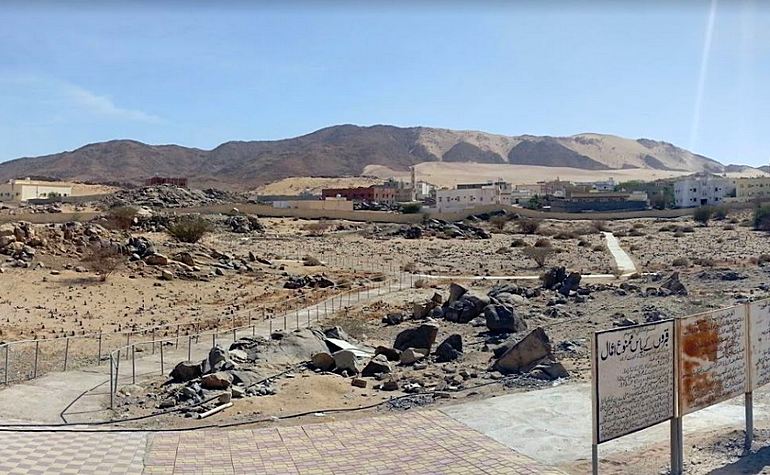
- While they rested, the Quraysh sent out a scout called Umayr ibn Wahb to survey the Muslim lines. Umayr reported that the Muslim army was small, and there were no other reinforcements who might join the battle.
- However, he also predicted extremely heavy Qurayshi casualties in the event of an attack. This further demoralised the Quraysh, as Arab battles were traditionally low-casualty affairs. and set off another round of bickering among the Qurayshi leadership. However, according to Arab traditions Abu Jahal quashed the remaining dissent by appealing to the Quraysh’s sense of honour and demanding that they fulfil their blood vengeance.
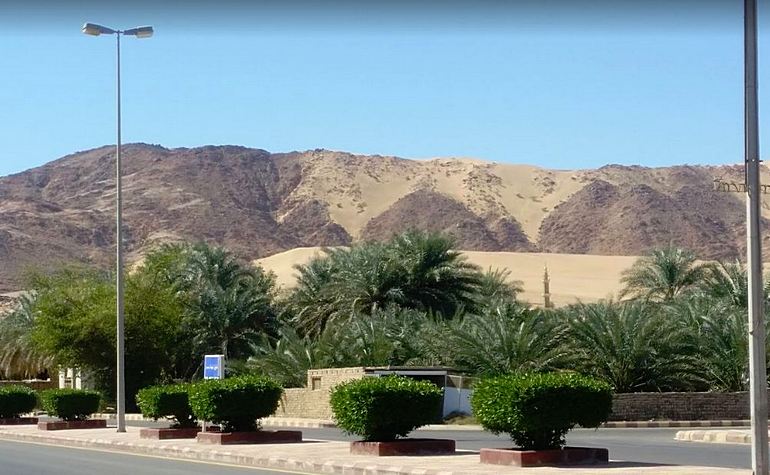
References: When the Moon Split – Shaykh Safiur Rahman Mubarakpuri, Muhammad (s.a.w.) the Last Prophet – Moulana Sayyed Hasan Ali Nadwi, The Life of Muhammad (s.a.w) – Tahia Al-Ismail, Qalam Seerah notes – Shaykh Abdul Nasir Jangda
]]>- On the morning of the battle, the Prophet (ﷺ) called his men to offer salah and then urged them to fight in the way of Allah. As the sun rose over the desert, he drew up his small army, and pointing with an arrow which he held in his hand, arranged the ranks.
- Abu Jahl also prayed saying, “Our Lord, whichever of the two parties was less kind to his relatives, and brought us what we do not know, then destroy him tomorrow.” Allah (ﷻ) says about this supplication of Abu Jahl in Surah Anfal: “(Tell the unbelievers:) If you have sought a judgement, then surely a judgement has come to you…” [8:19]
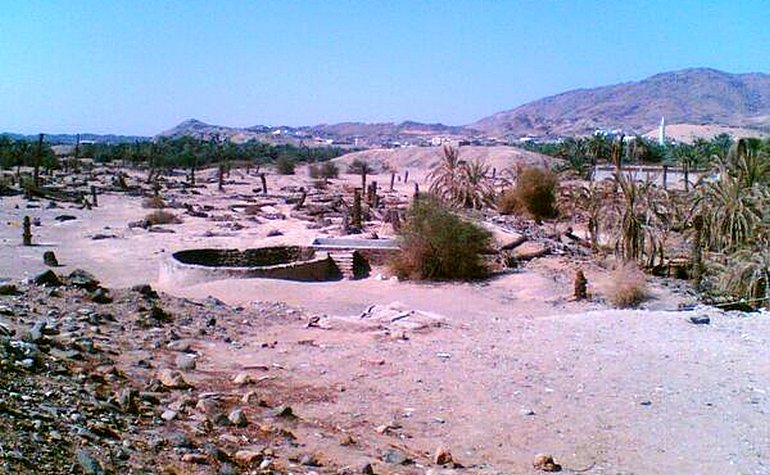
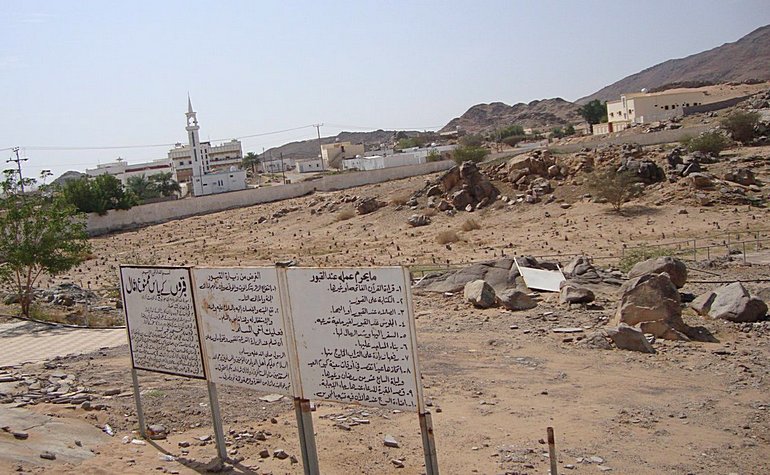
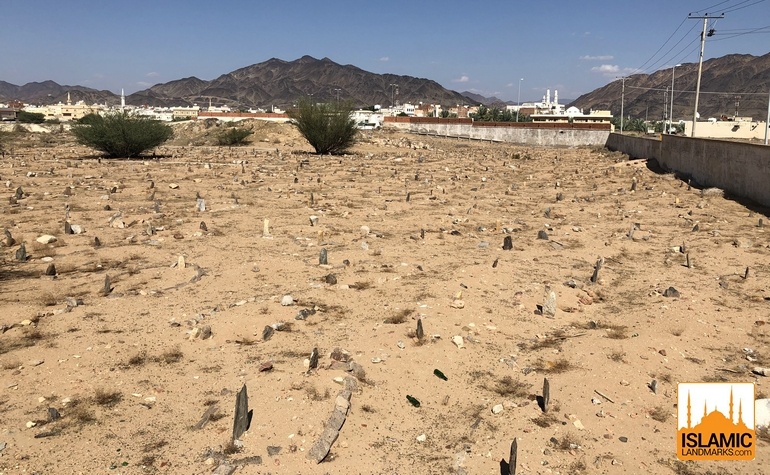
This is how the same area looks today:
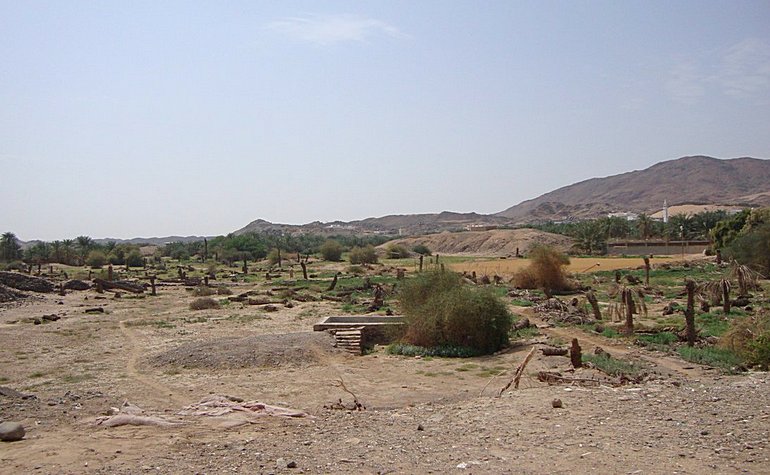
- The Quraysh were positioned opposite the Muslim lines their forces at Al-Udwat Al-Quswa. A few of them approached, in a provocative manner, to draw water from the wells of Badr, but were all shot dead except Hakeem bin Hizam, who later became a devoted Muslim. The first of the disbelievers to instigate the battle was Al-Aswad bin Abdul Asad Al-Makhzumi, a fierce bad-tempered idolater. He stepped out swearing he would drink from the water basin of the Muslims, or to destroy or die for it. He engaged in combat with Hamza (رضي الله عنه), who struck his leg with his sword and dealt him another blow that finished him off.
Challenge to single combat
- The Quraysh’s three best horseman, Utbah bin Rabi’a, his brother Shayba bin Rabi’a, and his son Waleed bin Utbah, stepped forward and challenged the Muslims to single combat. In response, three members of the Ansar came forward, but the challengers were thirsty for the blood of the Makkan exiles and cried out, “We want our cousins.” The Ansar withdrew, and Ubaydah bin Harith, Hamzah and Ali (رضي الله عنهم) stepped forward to meet their challenge.
- Hamza (رضي الله عنه) faced Shayba, Ali (رضي الله عنه) stood before Waleed, and Ubaydah (رضي الله عنه) accepted Utbah’s challenge. Hamza and Ali (رضي الله عنهم) both killed their opponents with ease, but Ubaydah (رضي الله عنه) and Utbah had wounded each another, and neither had the upper hand. The other two ran to their companion’s aid and killed his opponent, and then brought Ubaydah (رضي الله عنه), who had lost his leg, back to their ranks. He later died of his injury at Safra’a on the way back to Madinah.
The Battle of Badr begins
- The Quraysh smarted at having lost several men before the battle had even begun. They charged at the Muslims, who, encouraged by their early success, faced the onslaught without flinching. Proclaiming Allah’s Oneness, the Muslims cried out: “Ahad! Ahad!” [One! One!]
- The Prophet (ﷺ) was engaged in dua and Allah (ﷻ) responded to his prayers by sending an army of one thousand Angels.
- These supernatural allies were visible to the Prophet (ﷺ) who turned to Abu Bakr (رضي الله عنه) and said, “Rejoice, O Abu Bakr, Allah’s help has come. This is Jibraeel, moving ahead with his horse’s bridle in his hand. His garments are besmeared with dirt and dust.”
- The Prophet (ﷺ) then marched forward toward the fray, and at that moment the following verse was revealed: “Soon will the multitude be put to fight, and they will show their backs.” [54:45]
- He then took a handful of dust and threw it at the Quraysh saying, “Let their faces be disfigured.” The dust flew into the eyes and noses of the Quraysh, as mentioned in the Quran: “It was not you who threw, but Allah.” [8:17]
- The Prophet (ﷺ) ordered his men to attack, crying out, “Rise!”. The Muslims, outnumbered three to one, were inspired when they saw that the Prophet (ﷺ) himself was present among them and ready to fight. Supported by the invisible army of angels, the Muslims swarmed over the Quraysh. The Quraysh fell one after another, and soon they retreated in disarray. The Muslims followed in pursuit, slaying some and capturing others.
- Satan, who was also present in the guise of Suraqa bin Malik, saw the army of angels, and escaped by plunging into the Red Sea.
- Badr lies 130 km (80 miles) from Madinah.
References: When the Moon Split – Shaykh Safiur Rahman Mubarakpuri, Muhammad (s.a.w.) the Last Prophet – Moulana Sayyed Hasan Ali Nadwi, The Life of Muhammad (s.a.w) – Tahia Al-Ismail, Qalam Seerah notes – Shaykh Abdul Nasir Jangda
]]>- The Prophet (ﷺ) raised his head and said cheeringly: “O Abu Bakr, glad tidings are there for you; Allah’s victory has approached, by Allah I can see Jibraeel on his mount in the thick of a sandstorm.” Then he recited the verse of the Quran: “Their multitude will be put to flight and they will show their backs.” [54:45]
- 500 angels came to the right side of the army, led by Jibraeel (عليه السلام). The Prophet (ﷺ) sent Abu Bakr (رضي الله عنه) to lead on the right flank. On the left side of the army, there were another 500 angel, led by the angel Mikaeel (عليه السلام). The Prophet (ﷺ) sent Ali (رضي الله عنه) on to that side to also lead the angels. In every battle, Allah (ﷻ) sent angels for the comfort of the Prophet (ﷺ) and the believers. However, the only time the angels actually fought in the battlefield was in the Battle of Badr.
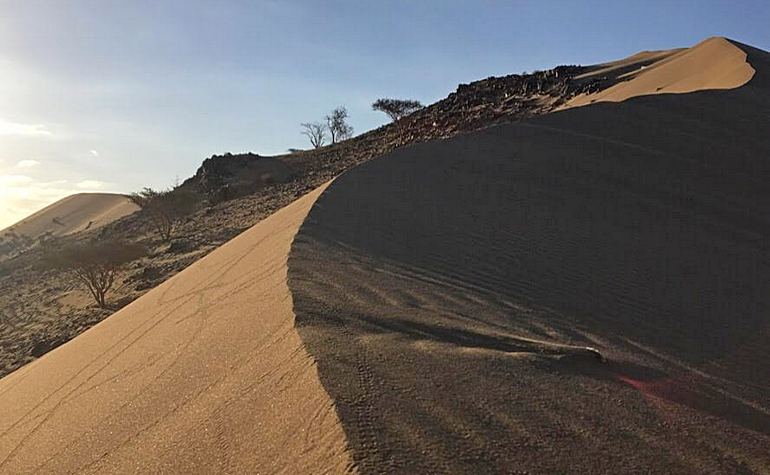
- Many narrations speak about the appearance of angels in the battle of Badr. It is mentioned in Sahih Muslim that Ibn Abbas (رضي الله عنه) said: “While on that day a Muslim was chasing a disbeliever who was going ahead of him, he heard over him the swishing of the whip and the voice of the rider saying: ‘Go ahead, Haizum!’ He glanced at the polytheist who had (now) fallen down on his back. When he looked at him (carefully he found that) there was a scar on his nose and his face was torn as if it had been lashed with a whip, and had turned green with its poison. An Ansari came to the Prophet (ﷺ) and related this (event) to him. He said: ‘You have told the truth. This was the help from the third heaven.'”
- Another incident is reported, where another man from the Ansar captured Abbas bin Abdul Muttalib, who said: “O Messenger of Allah! By Allah this man did not capture me. I was captured by a man who was bald and had the most handsome face, and who was riding a horse. I cannot see him here among the people“. The man from the Ansar said: “I captured him, O Messenger of Allah!”. The Prophet (ﷺ) replied: “Be quiet, Allah, the All-Mighty, strengthened you with the help of a noble Angel.”
- It is also reported that after the battle, the people used to recognise those who were killed by the angels, by wounds over their necks, finger and toes, because those parts had a mark as if they were branded by fire.
- Jibraeel (عليه السلام) approached Allah’s Messenger (ﷺ) and asked him to take a handful of dust and throw at the enemies.
- The Prophet (ﷺ) threw the dust saying, “Confusion seize their faces!” A violent sandstorm blew into the eyes of the enemies and the handful of sand entered the eyes of the idolaters, each one of them was struck by some of it, and it distracted them making each of them busy. Allah (ﷻ) says in Surah al-Anfal: “And you (O Muhammad (sallallahu alaihe wa-sallam)) threw not when you did throw but Allah threw.” [8:17] meaning the handful of sand which the Prophet (ﷺ) threw at the disbelievers was not by his power and strength but it reached the eyes of the pagans through the will of Allah.
References: When the Moon Split – Shaykh Safiur Rahman Mubarakpuri, Muhammad (s.a.w.) the Last Prophet – Moulana Sayyed Hasan Ali Nadwi, The Life of Muhammad (s.a.w) – Tahia Al-Ismail, Qalam Seerah notes – Shaykh Abdul Nasir Jangda
]]>