Mosques enable Muslims to come together and pray in congregation, particularly for the Friday prayer (Jumu’ah), which holds special significance in Islam.
The congregational aspect of prayers fosters a sense of unity and community among believers.
These sacred spaces symbolise the identity of Muslim communities, representing the religion of Islam and showcasing the spiritual and cultural heritage of Muslims.
In this article, we will be exploring 13 of the oldest mosques in the world.
Keep reading to learn details about the most sacred sites of worship in Islam and excellent destinations for halal travel.
First Mosque in the World
The foundation of the first mosque built was laid way before Prophet Muhammad (PBUH) started preaching Islam in the era of Prophet Ibrahim (AS).
Is Masjid Haram the First Mosque on Earth?
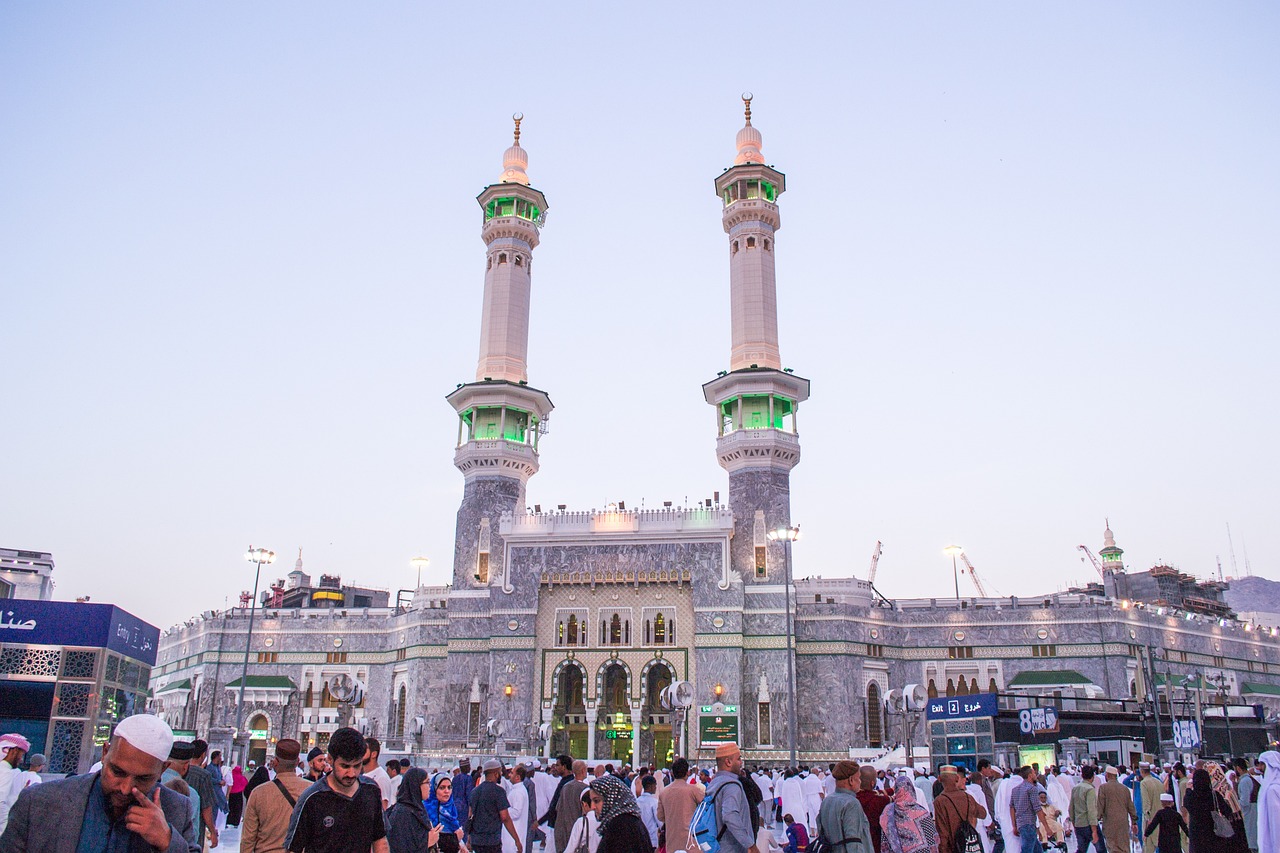
Yes, Masjid Haram is the first and one of the oldest mosques in the world. Allah SWT in the Holy Quran says, “The first House (of worship) appointed for man was that in Bakkah (i.e., Makkah): full of blessing and of guidance for all the worlds.” [Holy Quran, Al ‘Imran, 96]
Abu Dhaar (RA) narrated, “I said, “O Allah’s Messenger (PBUH)! Which mosque was built first?” He replied, “Al-Masjid-al-Haram.” I asked, “Which (was built) next?” He replied, “Al-Masjid-al-Aqsa (i.e. Jerusalem).” I asked, “What was the period between them?” He replied, “Forty (years).” He added, “Wherever the time for the prayer comes upon you, perform the prayer, for all the earth is a place of worshipping for you.” (Sahih Bukhari)
Situated in Makkah, Saudi Arabia, Masjid al-Haram is significant landmark for Hajj and Umrah visitors. It spreads over 88 acres (356,000 square metres) of land and has a capacity of 2.5 million. Also called The Great Mosque, Masjid Haram is the Qiblah (direction of prayer) and surrounds the Holy Kaaba, the foundation of which was raised by Prophet Ibrahim (AS) and his son, Prophet Ismail (AS) as stated in the Holy Quran, “And ˹remember˺ when Abraham raised the foundation of the House with Ishmael, ˹both praying, ˺ “Our Lord! Accept ˹this˺ from us. You are indeed the All-Hearing, All-Knowing.” [Holy Quran, Surah al-Baqarah; 2:127]
Masjid al-Haram is the holiest site in the world, and every year millions of Muslims visit The Great Mosque to perform pilgrimage (Hajj and Umrah).
Since its construction, Masjid Haram has been rebuilt, remodelled, and renovated several times to accommodate the ever-increasing number of Hajj pilgrims and provide facilities to visitors.
Stating the reward of praying in Masjid al-Haram, Prophet Muhammad (PBUH) said, “One prayer in this mosque of mine [in Madeenah] is better than a thousand prayers in any other, except the Sacred Mosque [in Makkah], and one prayer in the Sacred Mosque is better than one hundred thousand prayers anywhere else.” (Sunan Ibn Maajah: 1406; Musnad Ahmad: 14694)
Second Oldest Mosque in the World
Built between 692 and 705 CE by Prophet Sulaiman (AS), Masjid al-Aqsa is believed to be the second oldest mosque in the world.
Located in Palestine, Old City of Jerusalem, Masjid al-Aqsa was Islam’s first Qiblah (direction of prayer) and is spread over 144,000 square metres of land.
On the night of Miraj, Prophet Muhammad (PBUH) was brought to Masjid al-Aqsa to lead the Salah of all Prophets before ascending to the seven skies to meet Allah SWT.
“Exalted is He who took His Servant by night from al-Masjid al-Haram to al-Masjid al-Aqsa, whose surroundings We have blessed, to show him of Our signs. Indeed, He is the All-Hearing, the All-Seeing.” [Holy Quran, 17:1]
Masjid al-Aqsa is the burial ground of many Prophets and is home to some of the most sacred religious landmarks.
The Farthest Mosque also has courtyards, a library, and separate prayer rooms for men and women.
Quba Mosque
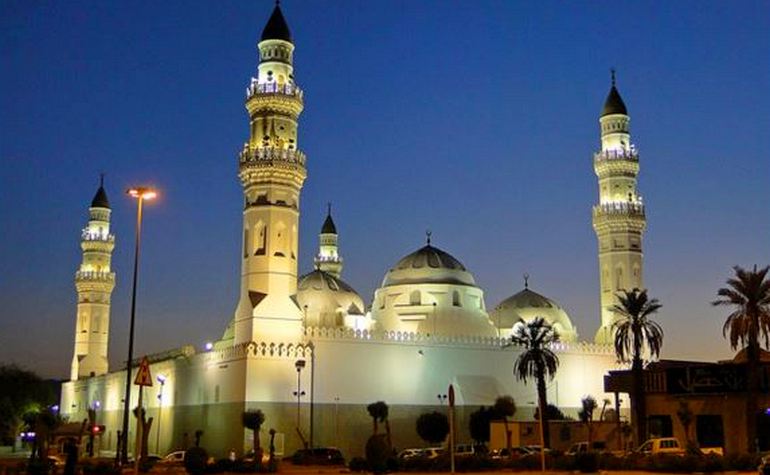
Situated approximately 3 kilometres outside of the city of Madinah, Saudi Arabia, Masjid Quba is one of the oldest mosques in the world.
Built by Prophet Muhammad (PBUH) and his beloved companions after migration to Madinah in 622 CE (1 AH), Masjid Quba is where the first Friday prayer was held.
With a capacity of over 20,000 worshippers, Quba Mosque has four parallel minarets, 56 mini domes, three central cooling areas, seven main entrances, and 12 secondary entrances.
The Messenger (PBUH) of Allah SWT said, “Whoever purifies himself in his house, then comes to the mosque of Quba and prays in it, he will have a reward like the Umrah pilgrimage.”
Ibn Umar narrated: “The Prophet (PBUH) used to go to the Mosque of Quba (sometimes) walking and sometimes riding.” Added Nafi (in another narration), “He then would offer two Rakat (in the Mosque of Quba).” [Sahih Al-Bukhari]
Masjid al-Nabawi
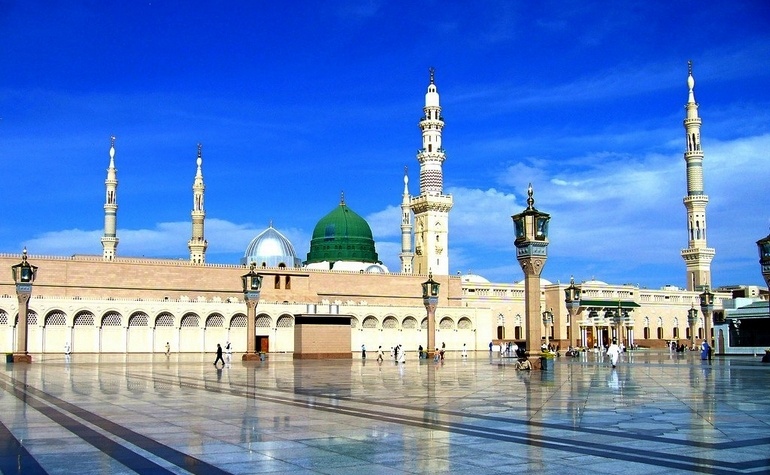
Established by Prophet Muhammad (PBUH) in 622 CE, Masjid al-Nabawi is the second-largest mosque built in the world and the largest mosque in Madinah, Saudi Arabia.
Commonly known as the Prophet’s Mosque, Masjid al-Nabawi covers 8.67 square metres of land and has a capacity of 1000,000.
It is the resting place of Prophet Muhammad (PBUH), Prophet Abu Bakr (RA), and Prophet Umar (RA).
Masjid al-Nabawi has three mihrabs and is landmarked by its grass-green-coloured dome and white walls.
The Mosque of Prophet Muhammad (PBUH) comprises a community centre, prayer hall, library, spiritual school, and court of law.
About visiting Masjid Nabawi, Prophet Muhammad (PBUH) said, “Whoever visits me after my death is like he who had visited me during my life. When a person stands at my grave reciting blessings on me, I hear it, and whoever calls for blessings on me in any other place, his every need in this world and in the hereafter is fulfilled, and on the day of Qiyamah I shall be his witness and intercessor.”
“One prayer in my mosque is better than one thousand prayers in any other mosque except al-Masjid al-Haram.” (Bukhari: No. 1116)
“Do not prepare yourself for a journey to any mosque [with the intention to earn a special reward of prayers] but the three mosques al-Masjid al-Haram, al-Masjid al-Aqsa, and my mosque.” (Bukhari: No. 1115)
Masjid al-Qiblatain
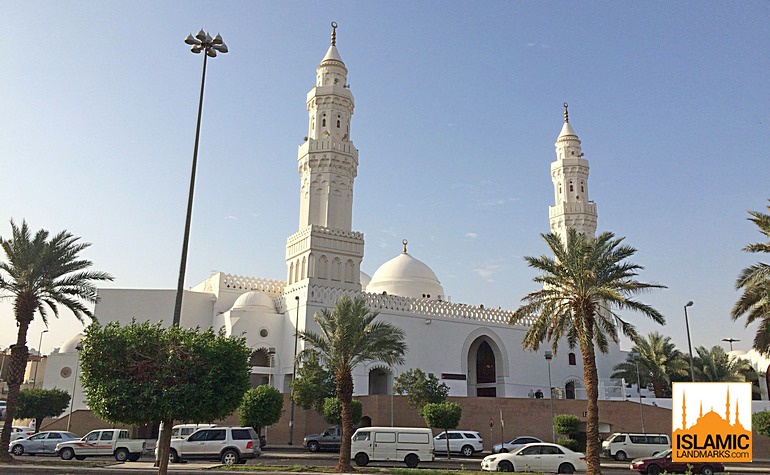
The mosque with two Qiblahs, Masjid al-Qiblatain, is situated in a sacred location: the heart of Medinah, Saudi Arabia.
Masjid al-Qiblatain was built in 623 CE to mark the site where Prophet Muhammad (PBUH) received the revelation to change the direction of Qiblah from Masjid al-Aqsa to the Holy Kaaba, Masjid al-Haram:
“Verily, We have seen the turning of your (Muhammed’s) face towards Heaven. Surely, We shall turn you to a Qiblah (prayer direction) that shall please you, so turn your face in the direction of Al-Masjid Al-Haram (at Makkah). And wherever you people are, turn your faces (in prayer) in that direction.” [Holy Quran 2:144]
Masjid al-Qiblatain can easily accommodate approximately 2000 worshippers at once and is the only mosque with two Mihrabs. Masjid al-Qiblatain’s exterior features traditional motifs and elements and one huge prayer hall.
Great Mosque of Sanaa
Al-Jami al-Kabir bi-Sana, commonly known as the Great Mosque of Sanna, is situated in Sanaa, Amanat al-Asemah, Yemen.
Built in the early Islamic years, the Great Mosque of Sanna is one of the oldest Masjids globally.
The Great Mosque of Sanna was constructed alongside the Ghumdan Palace and has been renovated several times over the years, the first renovation being recorded in the 8th century during the rule of Caliph al-Walid.
Al-Jami al-Kabir bi-Sana has distinctive architectural features. Built with delicate stucco work, wooden ceilings, and intricate patterns, representing ancient Yemeni craftsmanship.
A lesser-known fact about the Great Mosque of Sanna is that it was included on the list of UNESCO World Heritage Sites.
Umayyad Mosque
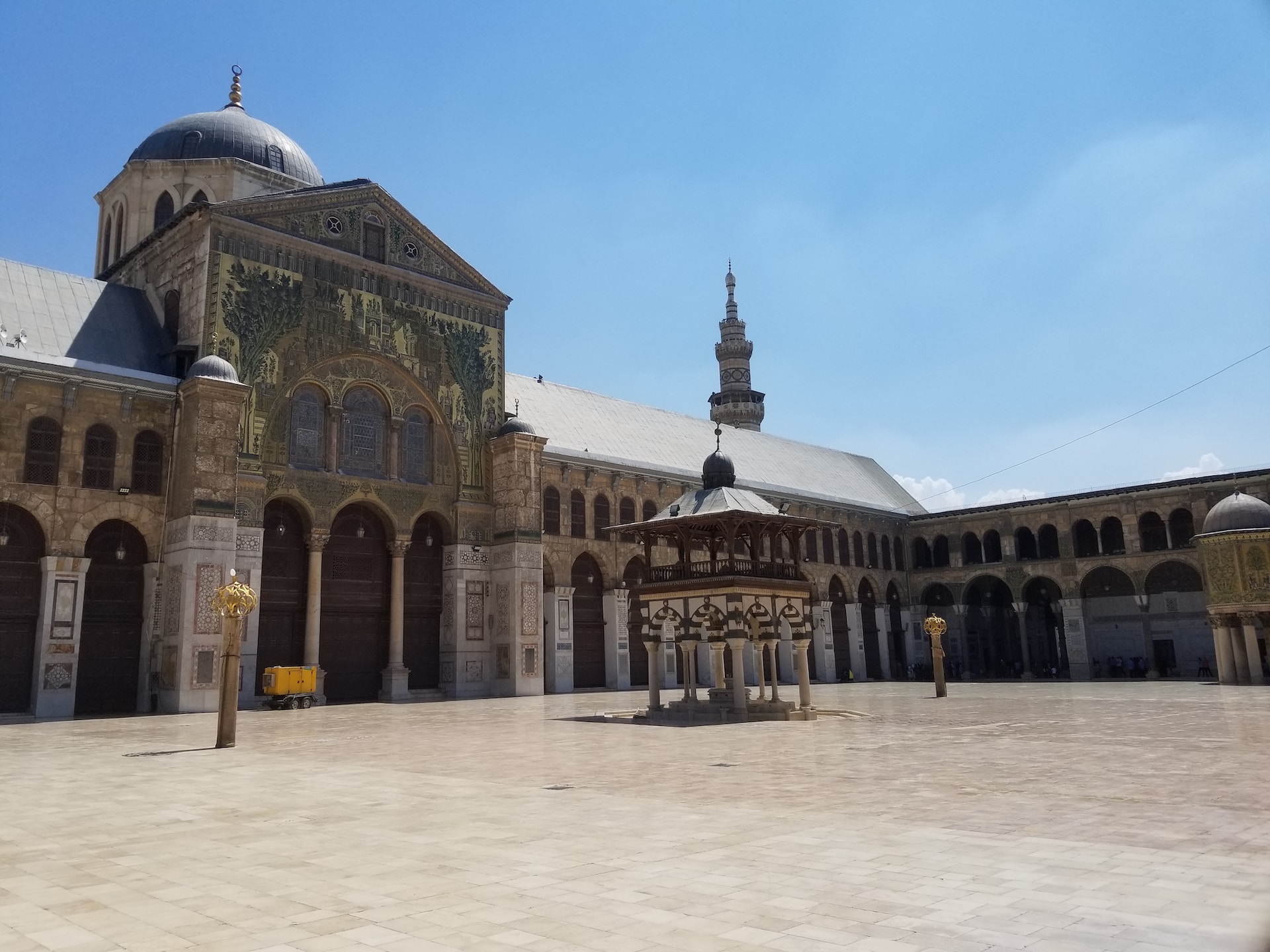
Raised on a site that originally belonged to a Roman temple and Christian Church, Umayyad Mosque was built 96 years after migration in Damascus, Syria.
After the conquest of Damascus in the year 634 CE, Caliph Walid I renovated the architectural structure of the building, transforming it into a mosque by the year 715 CE.
Withstanding many ruling periods and dynasties, the Great Mosque of Damascus is visited by thousands of Muslims every year.
Umayyad Mosque’s magnificent Dome of Rock highlights the impressive Islamic artistry and showcases the cultural and religious heritage of the world.
Inside the Umayyad Mosque, a plaque is placed over the spot where the head of Imam Husain (RA) was displayed after he was martyred at the site of Karbala.
The Umayyad Mosque covers a large quadrangle 157 by 100 metres (515 by 330 feet).
Oldest Mosques in Africa
From Somalia to Egypt to Ghana and Senegal, Africa has some of the most amazing and oldest mosques in the world. Listed below are the oldest mosques in Africa.
Mosque of the Companions
Built in Massawa, Eritrea, the Mosque of Companions was made in 613 CE. Named Masjid as-Sahabah, the Mosque of the Companions is the oldest Muslim place of worship in Africa.
Masjid as-Sahabah is said to be constructed by Muslims who flew from Makkah to protect themselves from the persecution of the Quraysh. This was after the first pledge of Aqabah.
The Mosque of Companions has simple and classic architecture with four beautiful minibars, a mihrab, and a small dome.
Masjid as-Sahabah covers an area of 3100 square metres, proving the strength of the Muslims who escaped Makkah to find peace in Abyssinia.
Mosque Uqba
Situated in Kairouan, Tunisia, Mosque Uqba was made under the patronage of Arab General Uqba Ibn Nafl.
Renowned for its exquisite beauty, Mosque Uqba is a distinguished example among global Masjids.
The architectural style employed in its construction subsequently became a prevalent influence in the design of numerous subsequent mosques.
Throughout its history, this mosque has functioned as a pivotal hub for Islamic scholars.
Oldest Mosques in Europe
Dating back centuries, the mosques in Europe serve as places of worship and remarkable symbols of cross-cultural exchange and architectural ingenuity. Listed below are two of the oldest mosques in Europe.
Mezquita
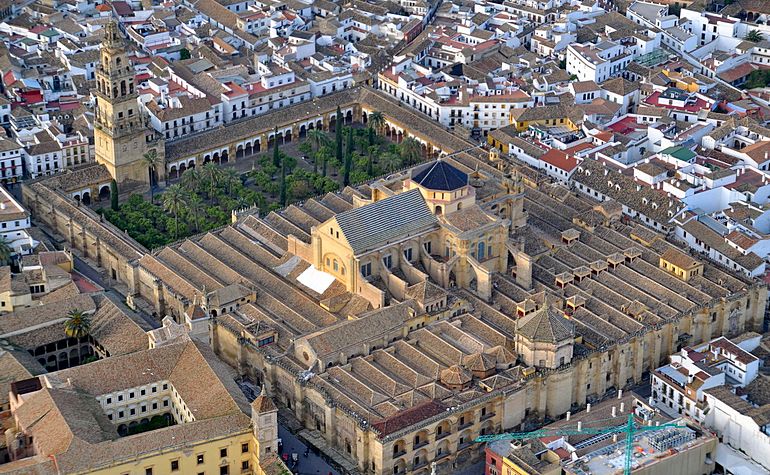
Otherwise named Mosque-Cathedral of Cordoba, Mezquita is another one of the oldest mosques. It is located in the southern region of Spain in Europe.
Originally a church, Mezquita was a shared prayer space for Christians and Muslims before being transformed into a mosque in the year 784 CE.
Mezquita is one of the most popular tourist destinations in Spain today.
The Mosque of Amr ibn al-As, Spain
Built in the 8th century in the Spanish city of Toledo, the Mosque of Amr ibn al-As is considered one of the oldest standing mosques in Europe.
Constructed during the Islamic rule in the Iberian Peninsula, it exemplifies the fusion of Islamic and Gothic architectural elements.
Oldest Mosques in India
India is home to over 300,000 mosques. While most of these mosques are reverted as prayer chambers or religious centres, standing tall, the grand architecture is proof of the power and influence of Islam. Listed below are the oldest mosques in India.
Cheraman Juma Masjid
Built in 629 CE by Malik Dinar (RA), Cheraman Juma Masjid was the first-ever mosque in India. The mosque was built to honour the memory of noble successor Chera King Cheraman Perumal.
Inspired by traditional Kerala architecture, Cheraman Juma Masjid features beautiful hanging lamps and modern halls and corridors.
Cheraman Juma Masjid is situated in the Thrissur district on Paravur-Kodungallur road, Kerala.
Palaiya Juma Palli Masjid
Also known as Meen Kadai Palli or Old Jumma Masjid, Palaiya Juma Palli Masjid is located in Kilakarai, Tamil, India.
Palaiya Juma Palli Masjid was built between 628 AD and 630 AD by trade sellers and Yemeni merchants on the order of Bazan ibn Sasan; after he accepted Islam.
Even though the mosque has a temple-like architecture, it doesn’t have any polytheism (idol cravings) on the walls or pillars.
Palaiya Juma Palli Masjid was rebuilt twice, once in the 11th century and then in the 17th century.
Oldest Mosques in Asia
In this section, we will be discussing some of the oldest mosques in Asia.
Huaisheng Masjid
Founded by Saad ibn Abi Waqas (RA) in 627 CE, Huaisheng Masjid was the first-ever mosque in China.
Also named the Lighthouse Mosque or the Great Mosque of Canton, Huaisheng Masjid has a 36 metres long white-coloured minaret that rises high, pointing towards the sky.
The Huaisheng Masjid has tombs of some of the most important Islamic scholars and Muslims of the time. It is situated on Jiefangbei Road, near the Yuexiu Park Metro Station in China.
The mosque’s architecture is a mix of Arabic and Chinese styles. This mosque is a must-visit even if you are in Guangzhou for a short duration!
Great Mosque of Xi’an
Providing more than 60,000 Muslims a place to worship in China, the Great Mosque of Xi’an was constructed in 742 CE. It is among the oldest mosques in Asia.
The attribute that makes the Great Mosque of Xi’an stand out is that, unlike other Masjids, it has no minarets or domes.
The architecture of the mosque represents the Chinese pagoda style, and the walls feature beautiful Arabic inscriptions.
Summary – Oldest Mosques in the World
From Masjid al-Haram and Masjid Nabawi in Saudi Arabia to the Great Mosque of Xi’an in Asia, exploring the oldest mosques in the world offers invaluable insights into the historical and cultural tapestry of early Muslim communities.
These venerable structures stand as testaments to the enduring spirit of devotion and innovation of Muslims worldwide.
As life continues to move forward, these mosques serve as living reminders of the faith’s inception, inspiring scholars and believers alike to appreciate Islam’s rich heritage and lasting impact on the global stage.
By learning about these historical monuments and opting for halal travel packages, we not only honour the past but recognise the ongoing legacy of unity, spirituality, and creativity that continues to shape the architectural marvels of today
]]>- It is the opinion of some scholars that when Adam (عليه السلام) was taken out of paradise and placed in this world he landed in Sri Lanka. Buddhists believe the footprint to be that of Buddha and a place of worship (as shown above). Please note that this place has been shown for information purposes only; it is not a place of veneration for Muslims.
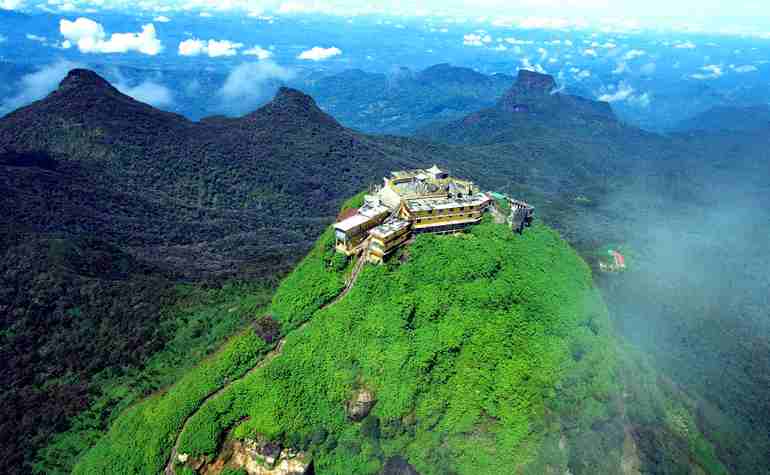
- Adam (عليه السلام) is mentioned by name 25 times in the Quran.
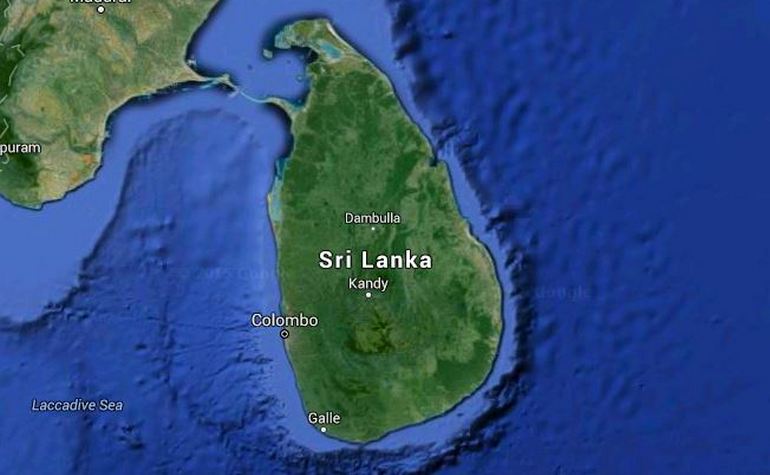
- When he taken out of paradise and placed on earth, Prophet Adam (peace be upon him) cried a lot. Coincidentally, Sri Lanka resembles the shape of a tear drop.
References: Atlas of the Quran – Dr. Shauqi Abu Khalili, Geocities.com/islamimiracles4
]]>- Imam Bukhari was born in 810 CE in the city of Bukhara (in Uzbekistan). His full name was Muhammad Ibn Ismail Ibn Ibrahim Ibn al-Mughirah Ibn Bardizbah al-Bukhari. He had a phenomenal memory and travelled throughout the Islamic world devoting himself to the collection, study, proof-reading and organizing of hadith.
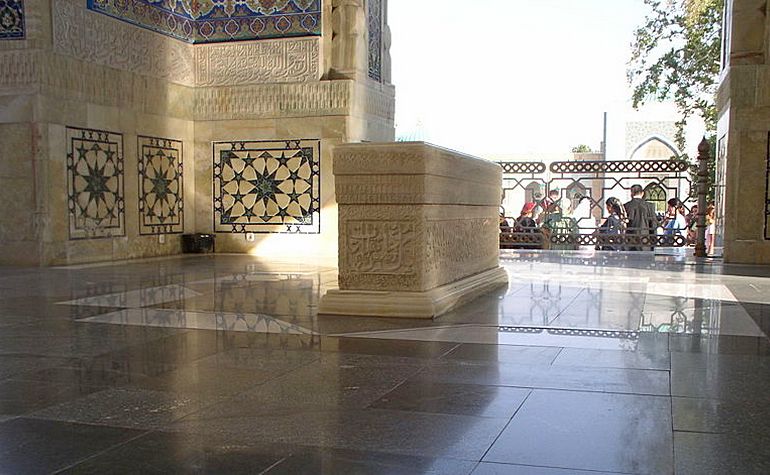
Reference: Wikipedia
Note that this entry has been shown for information purposes only. On no account should anybody pray to a grave or seek supplication through them as this is tantamount to committing shirk, associating partners with Allah (ﷻ)
]]>- The eleventh Surah of the Holy Quran is named after Hud (عليه السلام).
- His place of burial is also claimed to be in Syria. And Allah (ﷻ) knows best.
Reference: Stories of the Prophets – Ibn Kathir
]]>- The church was known as al-Qullays
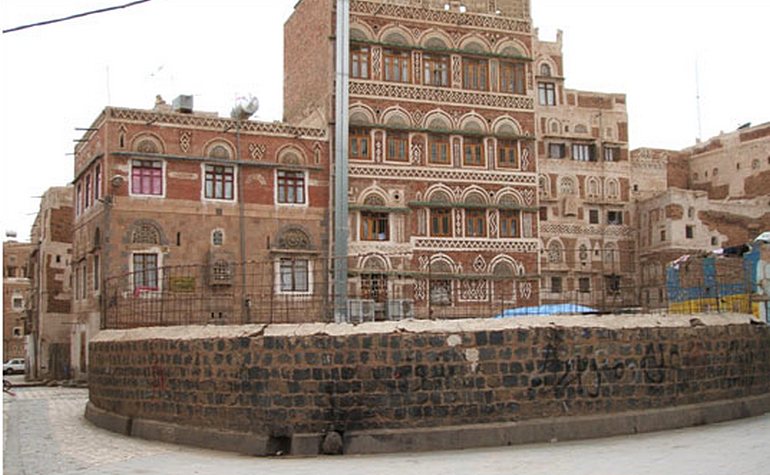
- Uqba-bin-Nafe (رضي الله عنه) was a military general who began the Islamic conquest of the Maghreb, including present-day western Algeria and Morocco in North Africa. He used Kairouan as a base to mount operations. The mosque became an important center for Islamic and Quranic learning, and attracted a large number of Muslims from various parts of the world. The mosque is spread over a surface area of 900 square meters and is considered as a model for all later mosques in the Maghreb in the western Islamic world.
- Uqba-bin-Nafe (رضي الله عنه) was killed and buried near Biskra in Algeria.
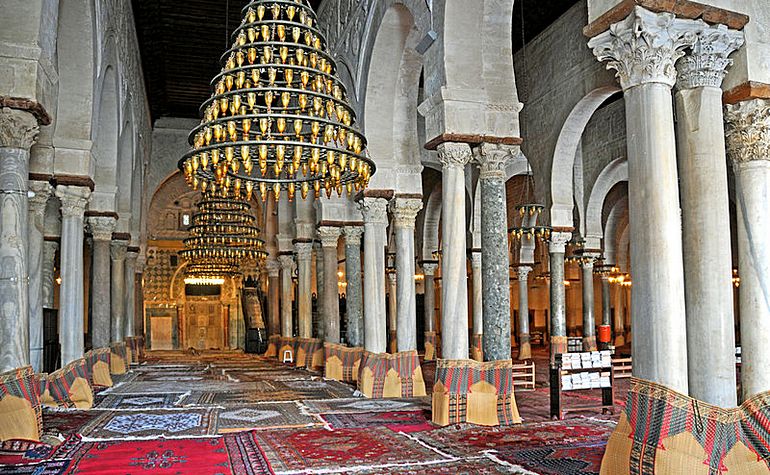
References: Wikipedia
]]>
The Prophet (ﷺ) was once sleeping in her house, when he woke up smiling.
Umme Haram (رضي الله عنها) said: “O Prophet! You are dearer to me than my parents, tell me what made you smile.”
He said: “I saw in my dream a few of my followers going for Jihad across the sea. They, in their barges, looked like kings sitting on their thrones.”
Umme Haram (رضي الله عنها) said: “O, Prophet of Allah! Pray that I may also be one among those people.”
He replied: “Rest assured, you will be one of them.”
He went to sleep again, and got up smiling for the second time. On Umme Haram’s query he said: “I again saw some more people going for Jihad across the sea.”
Umme Haram (رضي الله عنها) requested him to pray for her joining them also, he said: “No, you are with the first group only.”
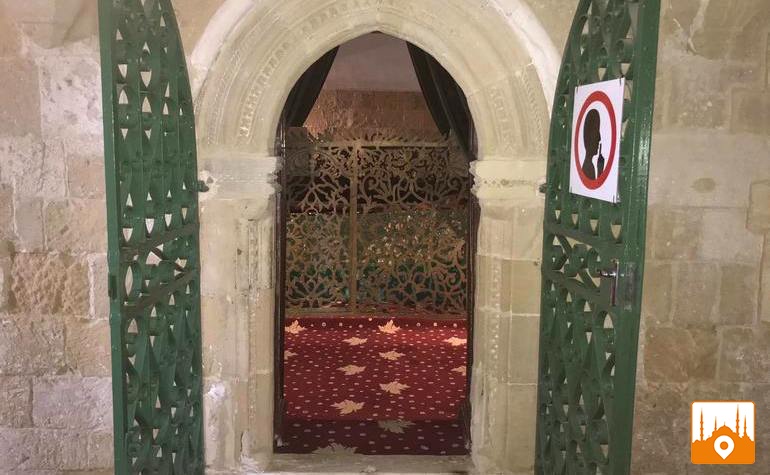
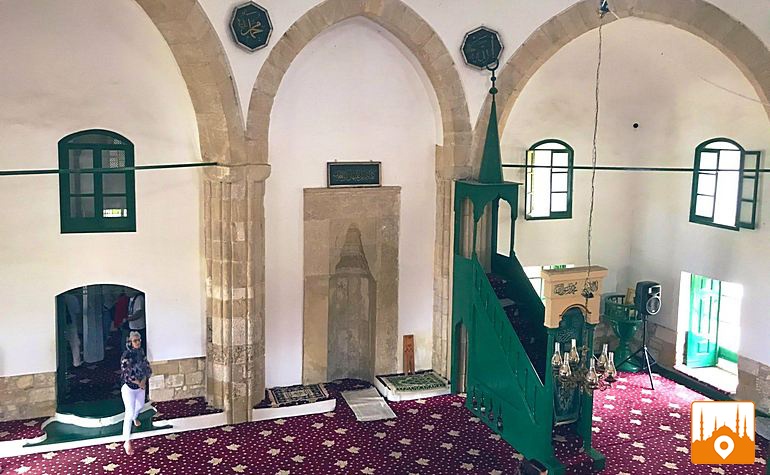
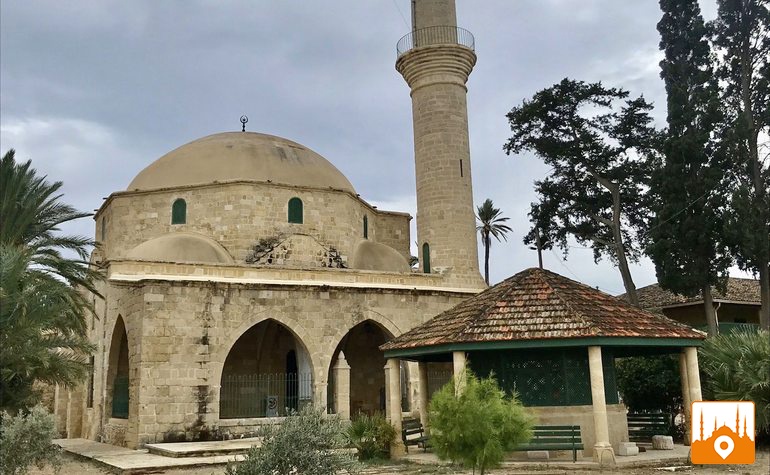
- During the Khilafat of Usman (رضي الله عنه), Amir Muawiyah (رضي الله عنه), the Governor of Syria, sought permission to send an expeditionary force to Cyprus Island. This permission was granted by Usman (رضي الله عنه). Umme Haram (رضي الله عنها), with her husband Ubadah bin Samit (رضي الله عنه) was in that force. While returning from the island she fell from her mule, broke her neck and died. She was buried in the above place.
References: Fazail-e-Aamal – Sheikh Zakariyya Kandhalvi
]]>- After much suffering at the hands of the Quraysh in Makkah, the Prophet (ﷺ) commanded a small group of Muslims to make Hijrah (migration) to a safe place in the country of Abyssinia. (what is now Ethiopia). Abyssinia at that time was ruled by a Christian King (who later on embraced Islam), famous for his mercy and equity, whose title was Negus. They were sure to receive protection and worship and live in peace there.
- In Rajab of the fifth year of the Mission (614-615 CE), the first group emigrated to Abyssinia. The group comprised about twelve men and five women and included Uthman (رضي الله عنه) and his wife Ruqayyah (رضي الله عنها), the daughter of the Prophet (ﷺ). The Quraysh pursued them to the port of Shuaibah by the Red Sea to capture them, but their vessels had left the shore. When the group reached Abyssinia, they heard the rumour that the whole tribe of the Quraysh had accepted Islam. They were naturally very much pleased at the news and returned to their country. On approaching Makkah, they learnt that the rumour was false and the persecutions were going on unabated. Some of them decided to return to Abyssinia and the rest entered Makkah, seeking the protection of a few influential people. This is known as the first migration to Abyssinia.
- Later on, a bigger group of around 83 men and 18 women emigrated to Abyssinia led by Jafar bin Abu Talib (رضي الله عنه), the cousin of the Prophet (ﷺ). This is called the second emigration to that country and some Sahabah took part in both the migrations. The Qureysh did not like the emigrations, and the thought of peace enjoyed by the fugitives gave them no rest. They sent a delegation to Abyssinia led by Amr bin Aas (a non Muslim at the time) with handsome presents for the king, his courtiers and the clergy. The delegation first met the chiefs and the priests and, by offering them presents, succeeded in winning the court officials to their side.
- When the king gave audience to the Quraysh, Amr bin Aas said that the Muslims in Abyssinia were not refugees from persecution but were fugitives from justice and law, and requested the king to extradite them to Makkah. The king, however, wanted to hear the other side of the story also before giving any judgment, and summoned Jafar (رضي الله عنه) to the court to answer the charges against the Muslims. Jafar (رضي الله عنه) made a memorable defence, addressing the Christian king he said,“O King! We were ignorant people and we lived like wild animals. The strong among us lived by preying upon the weak. We obeyed no law and we acknowledged no authority save that of brute force. We worshipped idols made of stone or wood, and we knew nothing of human dignity. And then God, in His Mercy, sent to us His Messenger who was himself one of us. We knew about his truthfulness and his integrity. His character was exemplary, and he was the most well-born of the Arabs. He invited us toward the worship of One God, and he forbade us to worship idols. He exhorted us to tell the truth, and to protect the weak, the poor, the humble, the widows and the orphans. He ordered us to show respect to women, and never to slander them. We obeyed him and followed his teachings. Most of the people in our country are still polytheists, and they resented our conversion to the new faith which is called Islam. They began to persecute us and it was in order to escape from persecution by them that we sought and found sanctuary in your kingdom.”
- When Jafar (رضي الله عنه) concluded his speech, the king asked him, “Let us hear something of the Qur’an that your Prophet (ﷺ) has taught you.“ Jafar (رضي الله عنه) recited a few verses from the beginning of Surah ‘Maryam’, which touched the hearts of the king and the priestly class so much that tears flowed down their cheeks and wetted their beards. The king remarked, “By Allah, these words and the words revealed to Musa (عليه السلام) are the rays of one and the same light,” and he told the Quraysh embassy that he would by no means hand over the refugees to them. Then, disappointed and disgraced, they held a counsel. One of them said, “I have hit upon a plan that is sure to draw the king’s wrath upon their heads.“ Although the others did not agree to such a drastic step (for after all they were their own flesh and blood) he would not listen.
- The next day, they excited the king by telling him that those heretics denounced Isa (عليه السلام) [Jesus] and did not believe in his Divinity. The Muslims were again summoned to the court. They were much more distressed this time. When the king inquired about their belief in Isa (عليه السلام), they said: “We believe in what Allah has revealed about him to our Prophet (ﷺ), i.e. he is a servant and Prophet of Allah, and is His word, which He conveyed to the virgin and pure Maryam.“ Negus said: “Isa (عليه السلام) himself does not say anything beyond that.“ The priests then began to murmur in protest, but the king would not listen to them. He returned to the delegation the presents they had brought for him, and said to the Muslims, “Go and live in peace. If anybody ill-treats you, he will have to pay heavily for it.“ A royal declaration was also issued to that effect. This enhanced the prestige of the Muslims in the country, and the Quraysh delegation had to return crestfallen.
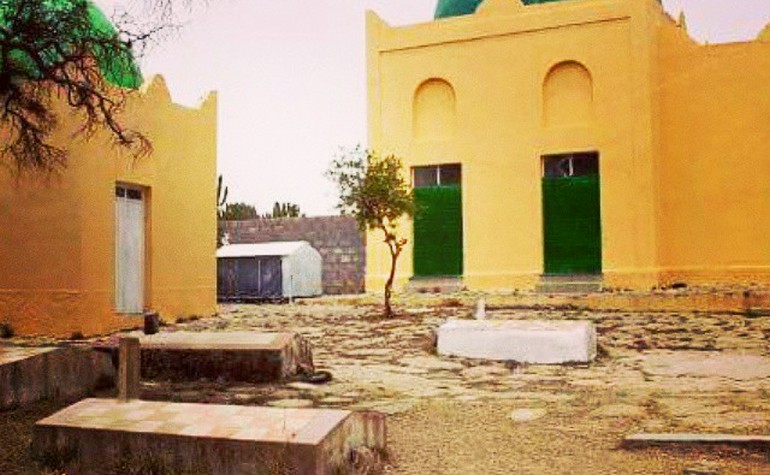
- King Negus is buried within the masjid compound as are several Sahabah who died there. Negash is, therefore, not only the burial place of the world’s first Muslim king but also the resting place of the bodies of the early Muslims of the world who were denied a home to be buried in because of their beliefs.
- The Muslims finally returned from Abyssinia in 7 AH. but to Madinah and not Makkah.
References: Fazail-e-Aamal – Sheikh Zakariyya Kandhalvi, Wikipedia, Tigray.net
]]>- Ibn Abi Al-Dunya narrates the following, based on a chain of citations:
Nebuchadnezzar (Bakht Nasr) captured two lions and threw them into a pit. He then brought Danyal (عليه السلام) and also threw him in but the lions did not attack him. He stayed there as long as Allah (ﷻ) willed him to stay there and then he felt a need for food and drink. So Allah (ﷻ) revealed to Armiya (عليه السلام) [Jeremiah] who was in Bayt al-Maqdis to prepare food for Danyal who was in Babylon, Iraq. When he had prepared the food, Allah (ﷻ) had him carried along with the food to Danyal. There he informed him that Allah (ﷻ) had asked him to deliver food to him and he remarked that indeed Allah (ﷻ) had remembered him and He praised Allah (ﷻ) considerably for the numerous favours He had bestowed on him. He ended his praise with the words, “Praise belongs to Allah (ﷻ) Who is our hope when all hopes are cut off from us.” - The above place is known locally as Aramgah-e-Danyal.
- The Jews do not believe Danyal (عليه السلام) to be a prophet.
References: Stories of the Prophets – Ibn Kathir, Wikipedia
Note that this entry has been shown for information purposes only. On no account should anybody pray to a grave or seek supplication through them as this is tantamount to committing shirk, associating partners with Allah (ﷻ)
]]>- It was commissioned by the Crimean Khan Devlet I Giray in 1552. A year into his reign, Khan commissioned the Ottoman Empires Chief Architect Mimar Sinan (1489-1588) to build the Juma-Jami Mosque. Sinan’s architectural achievements include the Suleymaniye Mosque and over 300 beautiful buildings in Istanbul and other cities.
- At the time of the construction of the mosque, Mimar Sinan was busy with the construction of the Suleymaniye Mosque (1550-1557).

- The Juma-Jami Mosque had been converted to a Museum of Religions’ History and Atheism during the Soviet period. After the collapse of the Soviet Union in 1990, Juma-Jami once again became a functioning mosque.
- Two of its minarets collapsed in the 17th century; these were restored in the 1970s during the Soviet times.

Video about Mimar Sinan, the architect of the Jami-Juma Mosque and many other Ottoman mosques:
Reference: Hikma History, Wikipedia
]]>