- This elongated tomb, said to house her body, used to exist in the cemetery. The tomb was levelled in 1928 and concreted over in 1975.
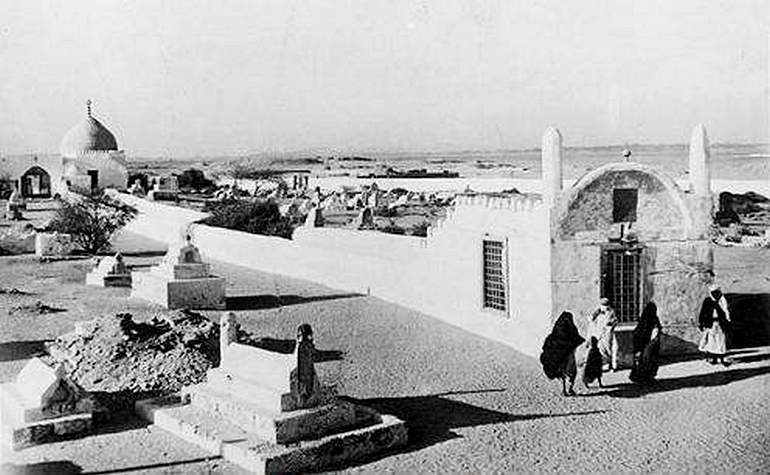
Origin of the name Ji’rranah
- This area has been named after a woman from the Quraysh who belonged to the Banu Tameen tribe. Her name was Reeta and her title was Ji’irranah. She was mentally unstable and spent the entire day knitting cloth and then tearing it up in shreds. According to a narration of Abdullah bin Abbas (رضي الله عنه), it is this very lady that the Quran refers to in Surah Nahl where it states:
And do not become like the woman who, after painstakingly spun her yarn, caused it to disintegrate into pieces…“
(Quran 16:92)
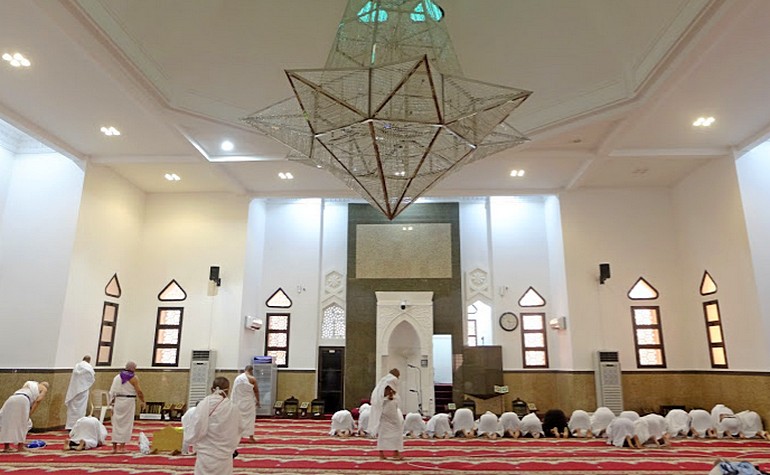
Distribution of the Booty after the Battle of Hunanyn
- In the year 8 AH, the Muslim army camped a few days at Ji’irranah, where the Prophet (ﷺ) distributed the booty the Muslims had captured from the Hawaazin tribe during the Battle of Hunayn. When this was done, the people of the Hawaazin came to the Prophet (ﷺ) in repentance and requested to have their prisoners and wealth back.
- The Prophet (ﷺ) gave them the option of settling for either their prisoners or their wealth. When they opted for their prisoners, the Prophet (ﷺ) instructed the Sahabah to hand over the prisoners to them. The Sahabah did so obligingly. That evening, the Prophet (ﷺ) entered into the state of Ihram for Umrah and after completing the Umrah, he left for Madinah the same night.
An interesting incident at Ji’rranah
- It was here at Ji’rranah that an incident took place which was a great source of pride for the Ansar. The Prophet (ﷺ) gave large shares of the booty to the people with the intention of winning them over to Islam and to strengthen the conviction of the new Muslims.
- Because none of the Ansar received such generous sums, some Ansar youth were disturbed by it. This news reached the Prophet (ﷺ) who gathered the Ansar and proclaimed, “O assembly of Ansar! Does it not please you that while others may take goats and sheep home with them, you will be taking the Messenger of Allah home with you?” This filled their eyes with tears and they expressed their pleasure with the distribution.
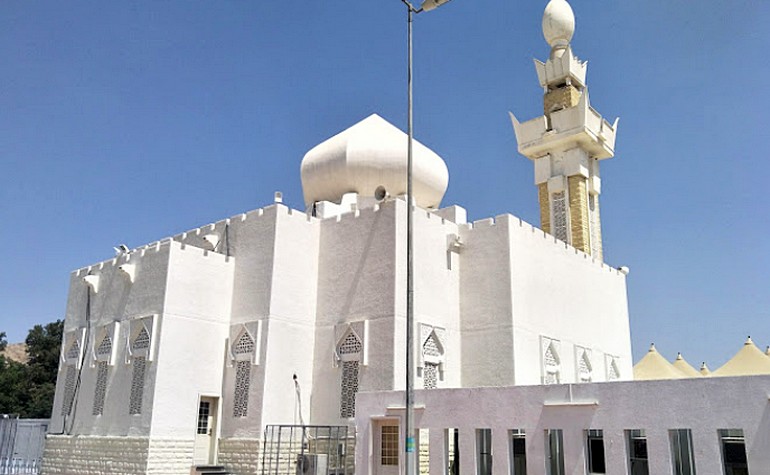
- It was also at Ji’irranah that the following verse of the Quran in Surah Baqarah was revealed:
And complete the Hajj and Umrah exclusively for Allaah … “
(Quran 2:196)
References: The History of Makkah Mukarramah – Dr. Muhammad Ilyas Abdul Ghani
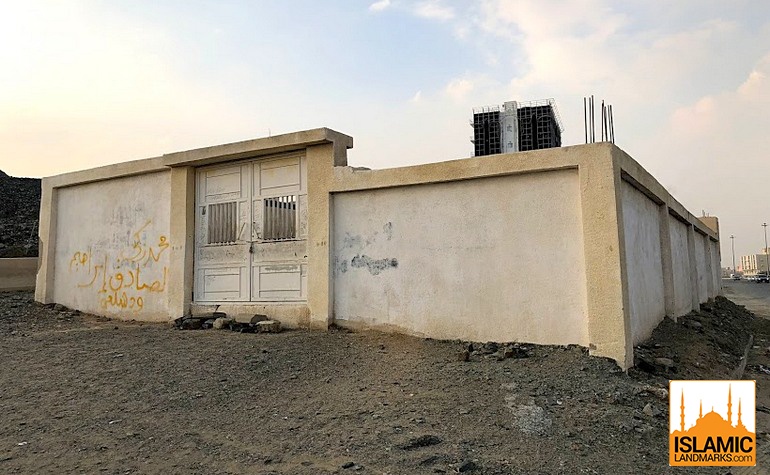
]]>- Maymoonah (رضي الله عنها) was the daughter of Harith-bin-Hazan. Her original name was Barrah, but she was later renamed Maymoonah by the Prophet (ﷺ). She was first married to Aburehm-bin-Abduluzza. According to some reports, she was married twice before she became Ummulmominin (mother of the Believers). She had been recently widowed when the Prophet (ﷺ) married her at Sarif, a place lying on his journey to Makkah when he was on his way for ‘Umrah in Zil-Qa’dah, 7 A.H.
- The Prophet (ﷺ) had intended to start living with her when in Makkah after performing ‘Umrah but, as the Qureysh did not allow him to enter Makkah, he called her over to him in the same place on his return journey. Many years later Maymoonah (رضي الله عنها) died and was buried exactly at the same place in 51 A.H. (at the age of 81). This is a strange coincidence that at a certain place during one journey she is married, at the same place on the return journey she starts living with the Prophet (ﷺ), and at the very place during another journey she dies and is buried there.
- Aisha (رضي الله عنها) says: “Maymoonah was the most pious, and the most mindful of her kith and kin, among the Prophet’s wives.”
- Yazid-bin-Asam says: “She was seen either engaged in salat or in domestic work. When she was doing neither, she was busy in Miswak.”
- She was the last woman to be married to the Prophet (ﷺ). Certain Muhaddithin have, however, mentioned one or two other marriages contracted by the Prophet (ﷺ) after her.
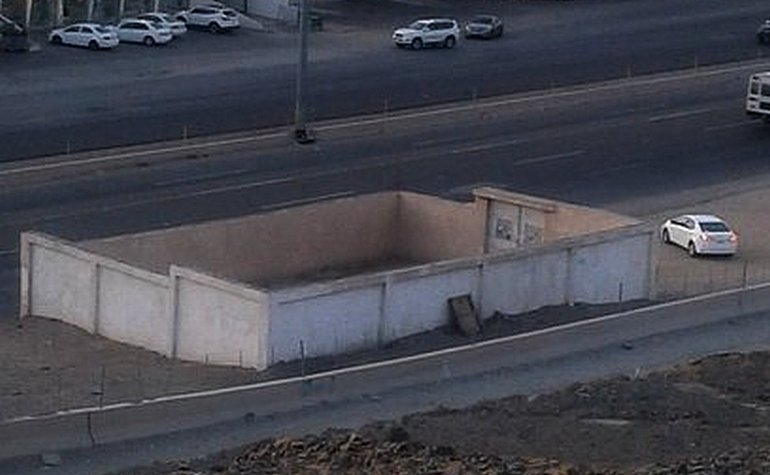
References: Fazail-e-Aamal – Sheikh Zakariyya Kandhalvi
Note that this entry has been shown for information purposes only. On no account should anybody pray to a grave or seek supplication through them as this is tantamount to committing shirk, associating partners with Allah (ﷻ)
]]>Family and early life of Abdullah Ibn Abbas (رضي الله عنه)
- Abdullah Ibn Abbas (رضي الله عنه) was the son of Abbas (رضي الله عنه), the paternal uncle of the Prophet (ﷺ). His mother was Umm al-Fadl, the sister of Maymoonah (رضي الله عنها), one of the wives of the Prophet (ﷺ).
- He was born around three years before the Hijrah. When he was born, his mother took him to the Prophet (ﷺ) before he had begun to suckle. The Prophet (ﷺ) put some of his saliva on the newborn’s tongue, and that was the beginning of the close relationship between the two.
Service to the Prophet (ﷺ)
- While growing up, he was by the Prophet’s (ﷺ) side doing different services like fetching water for ablution. He would pray with the Prophet (ﷺ) and join his assemblies, journeys and expeditions. The Prophet (ﷺ) would draw him close, pat him on the shoulder and pray, “O Lord, make him acquire a deep understanding of the religion of Islam, and instruct him in the meaning and interpretation of matters.” Ibn Abbas (رضي الله عنه) narrated, “The Messenger of Allah wiped my chest and said ‘O Lord, grant him wisdom.’” Ibn Abbas (رضي الله عنه) devoted his life to the pursuit of learning and knowledge, following the Prophet (ﷺ) and memorising his teachings.
Quest for knowledge
- Sa`ad ibn Abi Waqqas (رضي الله عنه) said, “I have never seen someone who was quicker in understanding, who had more knowledge and greater wisdom than Ibn Abbas. I have seen Umar summon him to discuss difficult problems in the presence of veterans of Badr from among the Muhajireen and Ansar. Ibn Abbas would speak and Umar would not disregard what he had to say.”
- Abdullah Ibn Abbas (رضي الله عنه) says, “After the passing away of the Prophet (ﷺ), I said to an Ansari friend of mine. The Prophet (ﷺ) is not now with us. But a large number of Sahabah (companions of the Prophet) are still among us. Let us go to them and get knowledge of the Islamic practices”. He said. ‘Who is going to approach you for learning a regulation in the presence of these eminent Sahabah?’ I was not discouraged. I kept up my quest for knowledge and approached every person who was supposed to have heard something from the Prophet (ﷺ). I managed to gather substantial information from the Ansar. If on my visit to someone of the Sahabah, I found him asleep, I spread my shawl at the gate and sat waiting. Sometimes my face and body would get covered with dust, but I kept sitting till they woke and I was able to contact them. Some of them said: ‘Abdullah, you are the cousin of the Prophet (ﷺ); you could have sent for us. Why did you take the trouble of coming to our places?’ I said to them: ‘I must come to you, for I am a student and you are my teachers.’ Some people for whom I had waited said: ‘Since when have you been waiting for us?’ I informed them that I had been sitting there for a pretty long time. They said: ‘What a pity! You could have awakened us from our sleep.’ I said, “I did not like to disturb you for my own sake.’ I thus carried on my pursuits, till there came a time when people began to flock to me for learning. My Ansari friend realised this at that time and remarked. ‘This boy has surely proved himself more sensible than us.”
- Wahab Ibn Munabbah says, “Abdullah Ibn Abbas (رضي الله عنه) lost his eyesight in his old age. I once led him to the Haram in Makkah, where he heard a group of people exchanging hot words among themselves. He asked me to lead him to them. He greeted them with ‘Assalamu Alaikum.’ They requested him to sit down, but he refused and said: ‘May I tell you about people whom Allah holds in high esteem? These are those whom His fear has driven to absolute silence, even though they are neither helpless nor dumb. Rather they are possessors of eloquence and have power to speak and sense to understand. But constant glorification of Allah’s name has so over-powered their wits that their hearts are overawed and their lips sealed. When they get established in this state, they hasten towards righteousness. Whither have you people deviated from this course? After this admonition, I never saw an assembly of even two persons in the Haram.”
- It was the devotion to knowledge, which caused Abdullah Ibn Abbas (رضي الله عنه) to be known as ’Hibr-ul–Ummat’ (the most learned man of Islam) and ‘Bahrul Ulum’ (ocean of knowledge) in his time. He narrated 1660 hadith and is generally viewed as the most knowledgable of the Companions in Tafsir.
Death of Abdullah Ibn Abbas (رضي الله عنه)
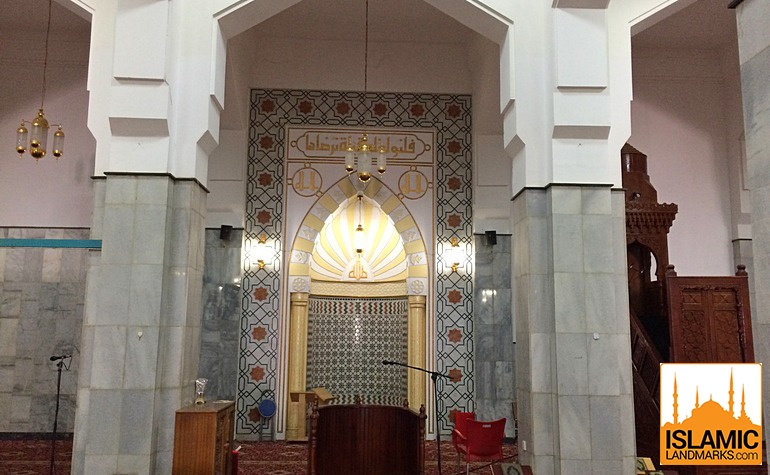
- He died in 68 AH in Taif and is buried close to the masjid shown above. Muhammad Ibn Ali (رضي الله عنه) led the funeral service and remarked, “Today we have lost our godly leader.”
References: Fazail-e-Aamal – Sheikh Zakariyya Kandhalvi, Journey to the Sacred – Sheik Hamza Yusuf, Wikipedia
]]>(more to follow)
References: When the Moon Split – Shaikh Safiur-Rahman Mubarakpuri, Wikipedia
]]>- It was customary among the citizens of Makkah to put their newborns in the care of Bedouin women who would raise them for a couple of years in the desert. The Makkans believed that the unspoiled, rugged desert environment would make their children strong and hardy. Furthermore, an upbringing among the Bedouins ensured that the children would learn the purest form of the Arabic language spoken throughout Arabia.
- Abdul Muttalib was looking for one such Bedouin women who would serve as a wetnurse and take his grandson to the desert. Some women from Banu Sa’d came to Makkah to offer their services to local families. Abdul Muttalib asked each of them to take his grandson Muhammad, but all of them declined the offer when they were told the child’s father was dead. They felt the family of a fatherless child would not be able to reward them handsomely.
- Haleemah bint Abu Dhuwayb had come to Makkah that day. While all the other Bedouin women had found children to nurse, she was not so fortunate. She saw Abdul Muttalib with an infant in his arms and took pity on the child who had been rejected by the other women. She and her husband took the infant Muhammad back to the desert, happy that they were not returning empty-handed. Haleemah and her husband, Harith bin Abdul Uzzah, both belonged to the tribe of Sa’d bin Bakr bin Hawazen. Their children became the Prophet’s foster brothers and sisters. Their names were Abdullah, Anisa, and Judhama, who was better known as Shayma.
- Haleemah and her husband found their lives changed the moment they took Muhammad home. They had travelled to Makkah on a frail female donkey that could barely keep up with their caravan. On the return journey, however, as Haleemah rode with the infant in her arms, the same animal moved so swiftly that it left the caravan behind.
- While Muhammad stayed with Haleemah’s family, the house overflowed with blessings. Haleemah herself narrated that she brought Muhammad to her home during a drought. Her she-camel would not give a drop of milk and her own baby would cry the whole night out of hunger. With the child so distraught, Haleemah and Harith found it hard to sleep at night.
- Things changed, however, when Haleemah brought Muhammad home and placed him on her lap. Her breasts overflowed with milk so that both Muhammad and her own child drank their fill of milk and fell fast asleep. When Harith went to the she-camel, he was amazed at what he saw. The she-camel’s udder were full of milk and ready to overflow. It gave so much milk that Haleemah’s family was able to sleep that night on full stomachs. Haleemah’s household suddenly appeared to be untouched by the drought, although they lived in Dayar Banu Sa’d, the most drought-stricken spot in the region. The family’s goats would return from grazing with their stomachs full of grass and their udders bursting with milk. Husband and wife would milk their goats often while others failed to get even a drop of milk.
- Haleemah’s household continued to be blessed for the next two years, after which she weaned Muhammad. Although he grew up during a great drought, he had developed into a strong, healthy child.
- Every six months Haleemah would take Muhammad to Makkah to be with his mother and other family members. She would then return with him to Dayar Banu Sa’d. After Muhammad was weaned, it was time for him to go back to his family for good. When Haleemah took him back to his mother, she begged Aminah to let her keep the boy longer because he had brought her good fortune. She pleaded he would grow stronger and healthier in the desert, far away from the frequent epidemics that raged in Makkah. Aminah consented, and Haleemah returned home with Muhammad, happy at her extended good fortune.
- Two years later, however, a strange event occurred that frightened Haleemah and her husband, prompting them to return Muhammad to his family in Makkah. Anas bin Malik (رضي الله عنه) relates that one day as Muhammad was playing with some children near Haleemah’s house, Jibreel (عليه السلام) appeared and made Muhammad lie down. He then opened up the boy’s chest, took out his heart, and extracted a lump of flesh from it, saying: ”This is the portion of Satan in you.” Then he put Muhammad’s heart in a golden tray filled with Zamzam water, washed it and replaced it in his chest. The other children ran to Haleemah in terror crying that Muhammad had been killed. When they reached Muhammad, they found him alive, his face pale from shock. Anas (رضي الله عنه) later said that he saw the scar on the Prophet’s (ﷺ) chest where it had been sewn back together.
- In the wake of this supernatural event Muhammad was carried back to Makkah, where for the next two years he grew up under his mother’s care.
- Haleemah (رضي الله عنها) died in 8 AH and is buried in Jannatul Baqi in Madinah.
References: When the Moon Split – Shaikh Safiur-Rahman Mubarakpuri
]]>The Prophet (ﷺ) and the Sahabah set out for Makkah
- After six years living in Madinah, the Prophet (ﷺ) had a dream that he entered Makkah and did tawaf around the Ka’bah. The Companions were delighted when he told them about it as they all revered Makkah and yearned to do tawaf around the Ka’bah.
- Recognising the dream as a sign, the Prophet (ﷺ) left Madinah for Makkah on Monday 1st of Dhul’ Qa’dah 6 AH with the intention of performing Umrah in peace. Accompanying him were 1400-1500 Muslims dressed as pilgrims for Umrah and animals they had brought for sacrifice.
Arriving at Hudaybiah
- The Prophet (ﷺ) had dispatched a scout ahead who came back with the news that the Quraysh were determined to prevent the Muslims from entering Makkah.
- Taking a secondary route to avoid the Quraysh, the Prophet (ﷺ) continued to travel until the Muslims reached Hudaybiyah, about 40km west of the Ka’bah. They pitched camp here.
The Pledge of Ridwan
- The Prophet (ﷺ) sent Uthman (رضي الله عنه) to the Quraysh to convince them that they had only come to perform Umrah and to invite them to Islam. He was also instructed to visit the believing men and women still in Makkah to tell them that Allah (ﷻ) will make His religion victorious in Makkah and the time was close when they would no longer be required to conceal their faith.
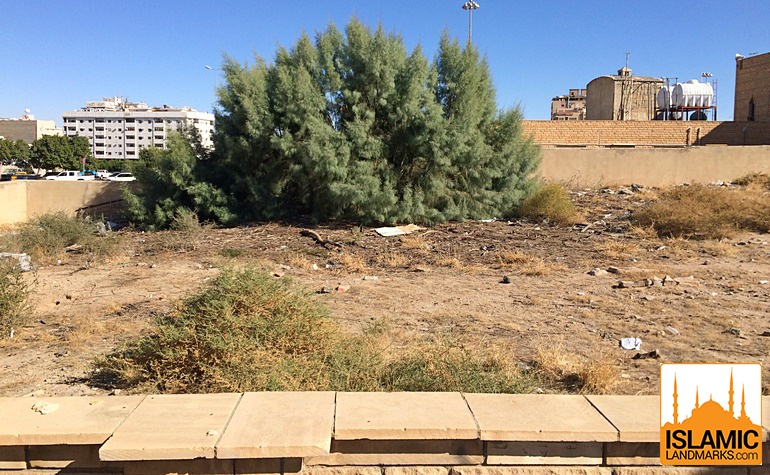
- Uthman was in Makkah longer than the Muslims had expected and the rumour spread that he had been killed. The Prophet (ﷺ) called for a pledge of allegiance. He sat beneath an acacia tree and the Muslims promised that they would fight with him to the last man. Placing one hand on the other, the Prophet (ﷺ) said, “This is the pledge on behalf of Uthman”.
- Uthman (رضي الله عنه) shortly turned up. The believers were spared from going into battle, but they had proved their sincerity with their pledge. Allah (ﷻ) revealed a verse referring to this pledge in Surah al-Fath:
Allah was pleased with the believers when they swore allegiance unto you beneath the tree.”
(48:18)
- From that day, the pledge under the tree came to be called ‘Bay’a Al-Ridwan’, or the pledge of those who had earned Allah’s pleasure.
Negotiation with the Quraysh at Hudaybiah
- The Quraysh then sent Suhayl ibn ‘Amr. When the Prophet (ﷺ) saw him coming, he remarked, “It is clear that they want peace since they have sent this man.” He told his Companions to prepare a draft agreement.
He called for Ali (رضي الله عنه) and told him, “Write: In the name of Allah, the Merciful, the Compassionate.”
“By Allah”, Suhayl said, “we do not know who this Merciful is. Rather write ‘In your name, O Allah'”.
The Muslims said, “By Allah, we will only write, ‘In the name of Allah, the Merciful, the Compassionate.'”
The Prophet (ﷺ) said, “Write, ‘In Your name, O Allah.'”
Then he said, “Write, ‘This is what Muhammad, the Messenger of Allah has agreed.'”
“By Allah”, retorted Suhayl, “if we accepted that you were the Messenger of Allah, we would not have prevented you from reaching the House of Allah or fought you. Rather write, ‘Muhammad ibn ‘Abdullah.'”
The Prophet (ﷺ) said, “I am the Messenger of Allah even though you do not believe me. Write, ‘Muhammad ibn ‘Abdullah.'”
He asked Ali (رضي الله عنه) to erase what he had written but Ali said, “By Allah no, I will not erase it.”
The Prophet (ﷺ) said, “Show me the place,” and he erased it himself. Then he said, “This is what the Messenger of Allah agrees provided that you give us leave to perform tawaf of the Ka’bah.”
Suhayl said, “By Allah, we will not allow the Arabs to say that we submitted to pressure. It will have to be next year.” It was also written: “On the condition that if any of our men, even if he has your religion, comes to you, you will return him to us.”
Reaction to the terms of the truce
- When the Muslims saw the terms of the truce and what it meant to the Messenger of Allah, they were very distressed. The effect on them was so great that Umar (رضي الله عنه) asked Abu Bakr (رضي الله عنه) angrily, “Did not the Messenger of Allah say to us that we were going to go to the Ka’bah and perform tawaf?”. “Yes. But did he tell you that it was going to be this year?”, Abu Bakr (رضي الله عنه) responded. He assured him, “You will go there and you will do tawaf”.
- When the Prophet (ﷺ) had finished drawing up the treaty, he sacrificed a camel and then shaved his head. This was a difficult time for the Muslims because all their hopes had been dashed. They had left Madinah with the firm intention of entering Makkah and doing Umrah. Now they felt beaten and crushed. However, when they saw the Messenger of Allah had made the sacrifice and shaved his head, they rushed to follow his example.
A humiliating peace or a clear victory?
- Then the Prophet (ﷺ) broke camp and returned to Madinah. On the journey back, Allah (ﷻ) confirmed that the truce of Hudaybiah was not a set-back but a victory:
Surely We have given you a clear victory, that Allah may forgive you your former and later sins, and complete His blessing on you and guide you on a straight path and that Allah may help you with a mighty help.”
(48:1-3)
- Umar (رضي الله عنه) said, “Is this a victory then, Messenger of Allah?” He (ﷺ) replied, “Yes.”
The two Hudaybiah mosques
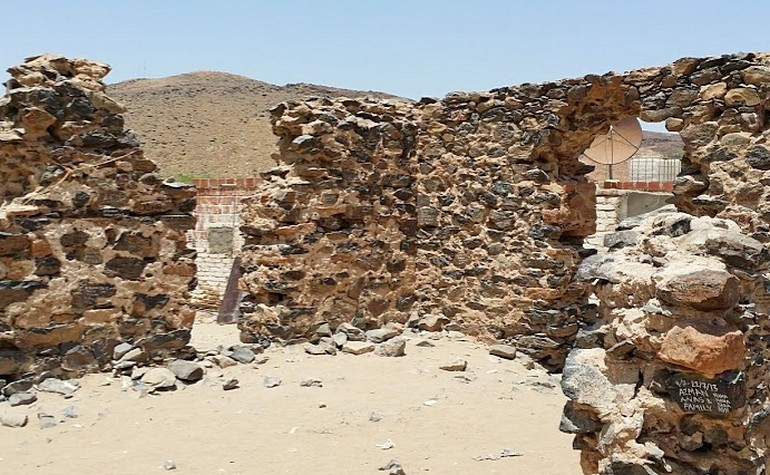
- The remains of the old stone mosque are still present. The new mosque is known as Masjid Shumaysi and has modern facilities to enable pilgrims to get into the state of Ihram for performing Umrah.
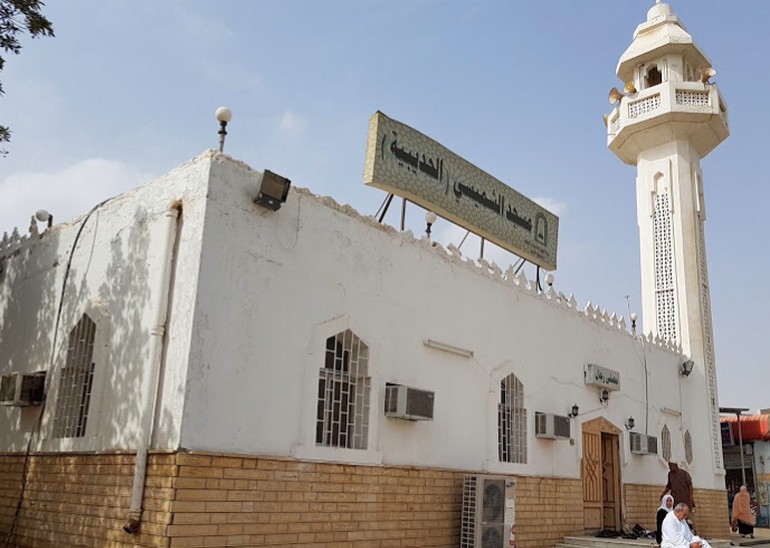
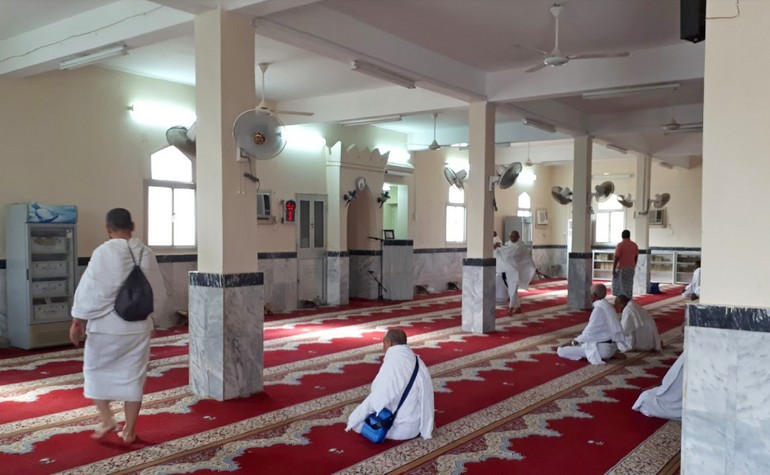
References: The History of Makkah Mukarramah – Dr. Muhammad Ilyas Abdul Ghani, Holy Makkah – Shaikh Safiur-Rahman Mubarakpuri, Wikipedia
]]>Water gushes from the Well of Hudaybiah
- The Prophet (ﷺ) and the Sahabah camped at Hudaybiyah for a few days during which the ‘Pledge of Ridwan’ and Hudaybiah peace treaty occurred. It was also at Hudaybiyah that some miracles materialised at the hands of the Prophet (ﷺ), adding to the historical significance of the area.
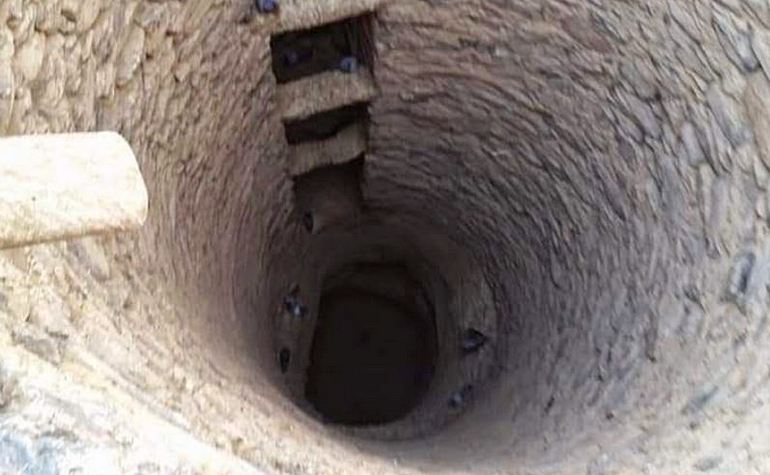
- Baraa (رضي الله عنه) narrates that the Sahabah numbered fourteen hundred at Hudaybiyah and there was only one well there which had dried up because of constant use. The Prophet (ﷺ) went to the edge of the well and spat a mouthful of water into it. Immediately, water started gushing from the well and all the Sahabah had enough water for themselves and for their animals.
Water gushes from the Prophet’s (ﷺ) fingers
- Another miracle at Hudaybiyah is reported by Jabir (رضي الله عنه). He says that the people were thirsty at Hudaybiah and only the Prophet (ﷺ) had some water in a bucket.
- When he (ﷺ) started performing wudhu, the people looked at him with great desire for the water. Seeing them stare, the Prophet (ﷺ) asked what the matter was. When they informed him that they had no water for wudhu or for quenching their thirst, the Prophet (ﷺ) put his hand into the same bucket and water started gushing forth from the fingers.
- Jabir (رضي الله عنه) says that they all then had sufficient water for wudhu and for drinking. When someone asked Jabir (رضي الله عنه) how many they were, he replied, “The water would have been enough for us even if we had been a hundred thousand. However, we numbered fifteen hundred.”
Location of the well
- The well is today enclosed within an industrial site close to Masjid al-Hudaybiah.
- Close by is the stone structure below. This is often mistaken to be the well of Hudaybiah. However, this is actually a historic Miqat boundary marker.
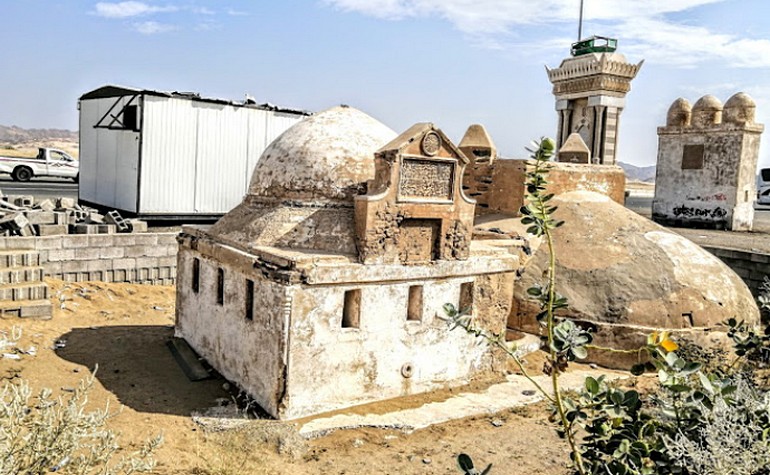
References: The History of Makkah Mukarramah – Dr. Muhammad Ilyas Abdul Ghani
]]>Video below by Sheik Tariq Jameel describing the death of the Prophet’s mother:
References: Wikipedia
Note that this entry has been shown for information purposes only. On no account should anybody pray to a grave or seek supplication through them as this is tantamount to committing shirk, associating partners with Allah (ﷻ)
]]>