Among them, the tour of Makkah stands as the focal point, beckoning millions of Muslims annually to embark on a journey of faith and devotion.
Nestled in the heart of the Arabian Peninsula, Makkah holds a special place in the hearts of Muslims worldwide.
It is the birthplace of Prophet Muhammad SAW, the final messenger of Islam, and the site of the holy Kaaba, the most sacred structure in the Islamic faith.
Islamic Landmarks aims to serve as a comprehensive guide for those seeking a profound spiritual experience through Makkah Ziyarat Tours comprising of Hajj and Umrah, historical tours, group trips and private tours and sightseeing.
From historical insights to practical tips, our exploration will navigate the rich tapestry of Makkah’s cultural and religious significance, offering readers a deeper understanding of the pilgrimage journey.
Historical Background of Makkah
Makkah’s Roots in Islamic History
To comprehend the sanctity of Makkah, one must delve into its historical roots of these holy places in Saudi Arabia. Makkah’s prominence dates back centuries, with the city being mentioned in the annals of Islamic history as the place where the Prophet Muhammad (PBUH) was born.
The city of Makkah is included in the vicinity of Makkah province, which includes Jeddah, Ta’if and Mecca. The Holy Kaaba is minutes away from the city, but it takes hours during the peak season of Hajj.
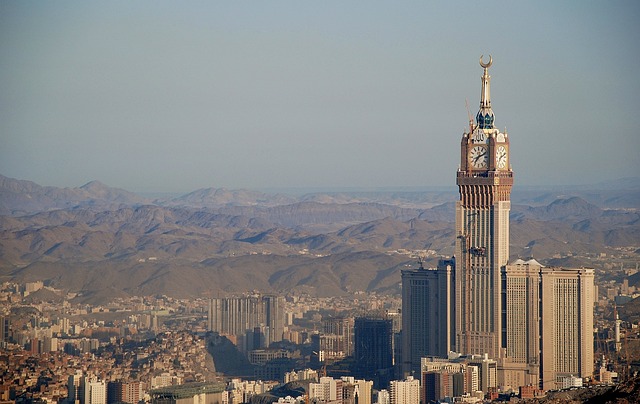
Role of Makkah in the Prophet’s Life
Makkah served as the stage for crucial events in the life of Prophet Muhammad (PBUH). From the first revelations on Mount Hira to the Hijra (migration) to Medina, Makkah witnessed pivotal moments that shaped Islamic history.
The Prophet Muhammad (PBUH) performed Umrah alongside his two thousand companions in 629 CE, within the vicinity of Makkah province.
Key Landmarks and Historical Events
Explore the landmarks that stand as witnesses to Makkah’s storied past. The Kaaba, originally built by Prophet Ibrahim and his son Isma’il, holds a central place.
At the same time, events like the Treaty of Hudaybiyyah and the conquest of Makkah underscore the city’s historical significance.
The Spiritual Tapestry
Understanding Makkah’s history is like unraveling a spiritual tapestry that weaves together the threads of faith, resilience, and divine intervention.
As we embark on Makkah Ziyarat Tours (group and private tours), acknowledging this historical backdrop enriches the pilgrimage experience, connecting pilgrims to the roots of their faith.
Ziyarat in Islam – Unveiling the Concept of Ziyarat
Ziyarat, in its essence, is a sacred journey undertaken by Muslims to visit and pay respects to significant religious sites and the resting places of revered figures in Islam. It comprises collective tours to the twin cities of Mecca and Madinah.
The Prophet’s (SAW) city, Madinah, is approximately four hours away from Makkah. But during the peak season of Ziyarat, it takes about five to six hours to travel.
This act of pilgrimage (tours) extends beyond a mere physical journey; it symbolises a spiritual connection and a profound expression of devotion.
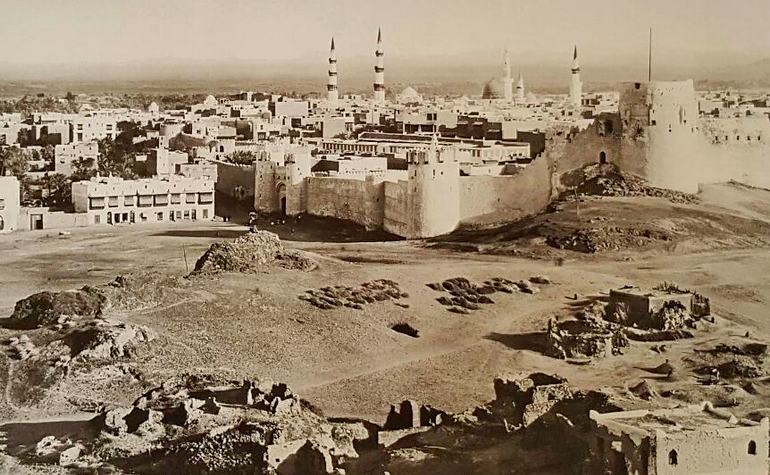
Spiritual Significance of Ziyarat
The concept of Ziyarat (tours to the holy sites within Makkah province) is deeply ingrained in Islamic teachings, emphasizing the importance of spiritual reflection, humility, and seeking closeness to Allah.
Muslims believe that visiting holy sites draws inspiration, renews their faith, and strengthens their bond with the divine.
Makkah’s Pinnacle in Ziyarat
While Ziyarat holds significance at various sacred locations, the pilgrimage to Makkah stands as the zenith of spiritual journeys for Muslims.
With its historical and religious importance, Makkah becomes a focal point for believers aiming to fulfill a fundamental pillar of their faith.
During the time of Hajj, tours of the local area temporarily stopped to incorporate millions of Muslims from all over the world in the vicinity of Haram.
Planning for Makkah Ziyarat Tours – A Guide to Makkah Ziyarat
Embarking on a Ziyarat tour to Makkah requires meticulous planning to ensure a seamless and spiritually enriching experience.
Here, we present a comprehensive guide to help readers navigate the journey gracefully and purposefully.
Travel Arrangements
Initiating the planning process involves selecting the most suitable mode of transportation because pilgrims will spend hours in the prayers and rituals. The most efficient transport will take them home safely and on time.
Considering factors such as budget, convenience, and travel restrictions is paramount, whether by air, road, or rail. Booking well in advance ensures smoother logistics for the pilgrimage.
Accommodation: Finding Tranquility
Choosing the right accommodation is pivotal for a restful and spiritually uplifting journey. Makkah offers a range of options, from hotels overlooking the Kaaba to more budget-friendly choices.
Proximity to the holy sites, amenities, and reviews from fellow pilgrims are essential considerations.
With the help of technology, one can easily pre-book the most suitable hotel that suits the finances you spent on tours of Haram. Some hotels offer free cancellation during the peak season of Ziyarat, but they can even charge a small amount upon emergency cancellation.
Best Time to Visit
Timing is crucial for Makkah Ziyarat Tours. Understanding the Islamic calendar, especially the months of Hajj, and considering personal preferences, weather, and crowd density aids in selecting the optimal time for the pilgrimage (tours) in Mecca and Madinah.
Each season of Hajj and Umrah in Makkah brings out a unique atmosphere, contributing to the overall experience. Saudi Arabia welcomes people from around the world for this purpose and appreciates tours to historic sites outside Mecca.
Embracing the Spiritual Journey
Beyond logistical considerations, pilgrims must prepare emotionally and spiritually for the Ziyarat of Mecca and tours to other sacred sites.
Engaging in prayers, seeking knowledge about the rituals, and maintaining a humble and open mindset contribute to a more profound connection with the divine during the pilgrimage.
By following this guide, readers can embark on their Makkah Ziyarat Tours equipped with the knowledge and preparedness needed for a spiritually transformative journey.
May the pilgrimage (tours) to Makkah and Madinah be a source of enlightenment, reflection, and profound connection with Allah.
Landmarks and Sacred Sites
Makkah’s landmarks and sacred sites form a tapestry of spiritual significance woven with the threads of history, faith, and devotion. Tours to different sites within Saudi Arabia are all you need; you can book them through private packages or add them to your Hajj and Umrah packages.
A wide range of hotels are available in Mecca, Jeddah, and Madinah; accommodating Mecca hotels near to Haram are the perfect way to relish the inevitable experience of your trip. You can make individual tours to sacred mosques like Quba, Umer, Ali, and Ayesha that hold religious significance.
The Kaaba and Masjid al-Haram: The Spiritual Epicenter
At the heart of Makkah’s spiritual landscape lies the Kaaba, a cuboid structure draped in a black silk and gold curtain known as the kiswah.
Believed to be built by the Prophet Ibrahim and his son Isma’il, the Kaaba serves as the focal point for Muslims around the world during their daily prayers.
Surrounding it is the grand Masjid al-Haram, an expansive mosque that envelops the Kaaba and accommodates millions of worshippers during prayer times.
The sheer magnitude of Masjid al-Haram and the serene aura together create an awe-inspiring experience for pilgrims.
Safa and Marwah: The Symbolism of Struggle
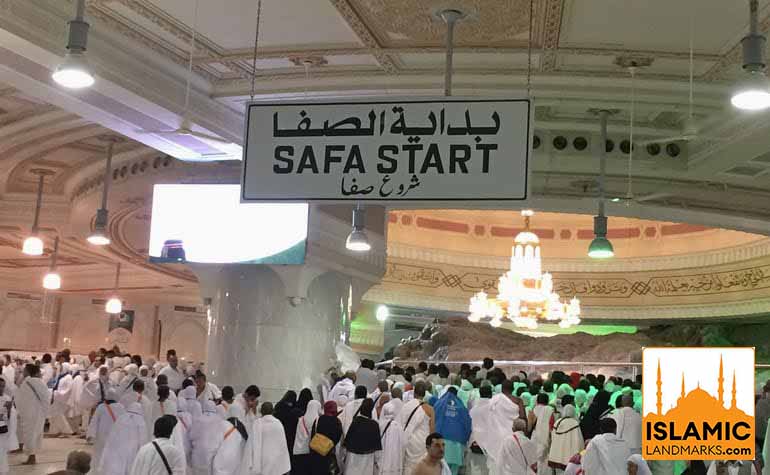
The hills of Safa and Marwah are integral to Makkah’s sacred geography. Pilgrims perform the Sa’i, the ritual of walking between these hills, emulating the actions of Hagar, the wife of Prophet Ibrahim, as she sought water for her son Isma’il.
This ritual symbolises perseverance, faith, and the rewards of unwavering trust in Allah. The panoramic view from Safa to Marwah encapsulates pilgrims’ profound journey of faith during their Ziyarat.
Mount Arafat and Muzdalifah: The Heights of Spiritual Reflection
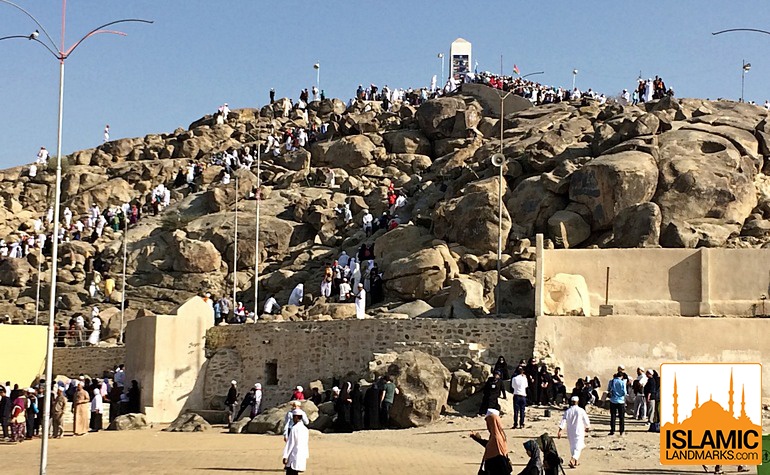
Venturing beyond Makkah, pilgrims embark on a journey to Mount Arafat, a place of immense spiritual significance.
It is here that Prophet Muhammad (PBUH) delivered his Farewell Sermon during his final pilgrimage. Standing on the plains of Arafat, Muslims engage in prayer, supplication, and contemplation, seeking forgiveness and purification of the soul.
Nearby is Muzdalifah, where pilgrims collect pebbles for the symbolic Stoning of the Devil ritual. Together, these sites serve as catalysts for introspection and spiritual rejuvenation. Spending the night in Muzdalifah holds much importance; usually, pilgrims stay up till late hours and repent and pray to Allah.
The Zamzam Well: A Source of Divine Blessings
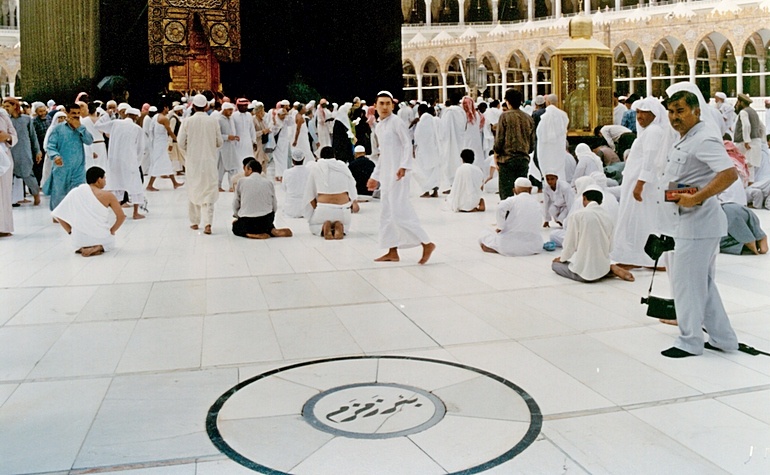
Woven into the fabric of Makkah’s history is the Zamzam well, a sacred source of water that traces its origins to the miraculous provision granted to Hagar and Isma’il.
Pilgrims partake in the blessed water of Zamzam, believing it to hold healing properties and divine blessings. The well symbolises the resilience of faith and the unwavering support provided by Allah in times of need.
Understanding the story behind Zamzam enhances the spiritual significance of this simple yet profound act of hydration.
Spiritual Journeys and Rituals
Exploring these landmarks isn’t merely a physical journey; it’s a spiritual odyssey that traces the footsteps of prophets and connects pilgrims to the core tenets of their faith.
The rituals performed at each site deepen the bond between the individual and the divine, making the Makkah Ziyarat experience a transformative and spiritually enriching pilgrimage.
As pilgrims tour to these sites during their Ziyarat, they are not just witnessing historical locations but actively participating in a profound and sacred narrative that spans generations.
They hope their footsteps echo the reverence and devotion that have resonated through the ages in this holiest of cities.
Rituals and Practices
The rituals and practices associated with Makkah Ziyarat form a sacred choreography, a dance of devotion and submission that connects pilgrims to the divine narrative of Islam.
Tawaf – Circumambulating the Kaaba
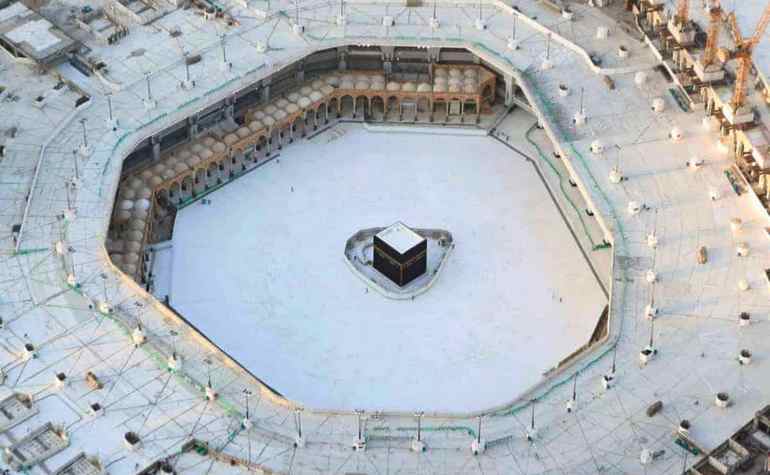
Tawaf, the ritual of circumambulating the Kaaba, stands as a central and symbolic act in Makkah Ziyarat.
Pilgrims, clad in seamless white ihram garments, move in a counterclockwise direction around the Kaaba, signifying the unity of the Muslim ummah and the eternal nature of Allah.
The rhythmic motion of Tawaf, repeated seven times, embodies the ceaseless devotion of believers and their orbit around the divine center of Islam.
Sa’I – The Journey Between Safa and Marwah
Sa’i retraces the steps of Hagar in her quest for water, symbolizing faith, perseverance, and trust in Allah’s providence.
Pilgrims walk seven times between the hills of Safa and Marwah, reflecting on the challenges faced by Hagar and her son Isma’il. Sa’i reinforces the belief that steadfastness in the face of trials is met with divine mercy and blessings.
Stoning of the Devil – Ritual at Mina
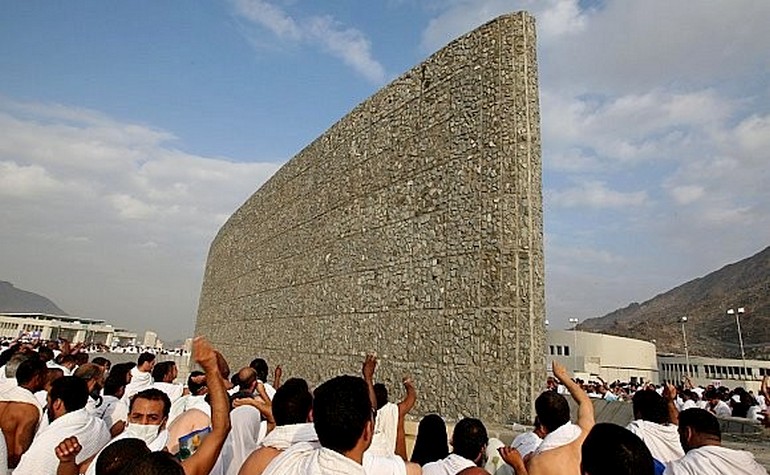
In the symbolic Stoning of the Devil, pilgrims reenact the actions of Prophet Ibrahim, who, according to Islamic tradition, was tempted by Satan but resisted the temptation by throwing pebbles.
Pilgrims collect stones at Muzdalifah and then, at Mina, throw seven pebbles at three pillars, representing Satan. This ritual symbolises the rejection of evil and the triumph of faith over temptation.
Standing at Arafat – The Culmination of the Pilgrimage
The pinnacle of the Hajj pilgrimage, and a significant component of Makkah Ziyarat, is the standing at Arafat.
Pilgrims gather on the plains of Arafat, where Prophet Muhammad (PBUH) delivered his Farewell Sermon, seeking forgiveness, mercy, and supplicating to Allah.
The day at Arafat is a profound moment of spiritual reflection, self-examination, and seeking closeness to the divine.
Rami – Symbolic Actions at the Jamarat
The act of Rami involves the symbolic Stoning of Satan at the three pillars in Mina. Pilgrims cast stones at the pillars, reflecting the rejection of worldly temptations and the commitment to a life guided by faith. The ritual emphasises the triumph of good over evil and reinforces the pilgrim’s dedication to living a righteous life.
Tawaf al-Ifadah – The Return Circumambulation
Following the Stoning of the Devil, pilgrims perform the Tawaf al-Ifadah or the circumambulation of the Kaaba upon their return to Makkah.
This Tawaf signifies the completion of the Hajj pilgrimage and symbolises the pilgrim’s rebirth, having cleansed themselves of sin and emerged spiritually renewed.
Makkah Ziyarat Tour PDF
Islamic Landmarks has created a FREE to download Makkah Ziyarah PDF guide, Click here to download!
Significance of Rituals
These rituals and practices are not mere actions; they encapsulate the essence of submission, humility, and devotion.
Through Tawaf, Sa’i, Stoning of the Devil, standing at Arafat, Rami, and Tawaf al-Ifadah, pilgrims experience a profound spiritual journey that mirrors the trials and triumphs of prophets and reinforces the core tenets of Islam.
Each ritual carries deep spiritual significance, offering pilgrims a transformative experience that transcends the physical and enters the realm of the sacred.
They believe that the echoes of these rituals resonate in the hearts of the faithful, guiding them toward a life illuminated by faith and righteousness.
Cultural Experience – A Cultural Pilgrimage
Makkah Ziyarat is not just a religious pilgrimage; it is a cultural odyssey that transcends borders and connects believers through shared traditions, customs, and the universal language of faith.
Immerse in Local Customs and Traditions
Makkah Ziyarat extends beyond religious rituals, offering pilgrims a unique cultural tapestry woven with local customs and traditions.
As visitors step into the streets of Makkah, they are greeted by a vibrant mosaic of cultures and traditions that contribute to the rich cultural experience of this holy city.
The Diversity of Pilgrims
Makkah is a melting pot of cultures, attracting Muslims from every corner of the globe. The diversity among pilgrims manifests in the variety of languages spoken, clothing styles, and cultural practices.
The shared goal of performing Ziyarat creates a sense of unity among this diverse community, transcending cultural differences.
Traditional Dress: A Tapestry of Colors
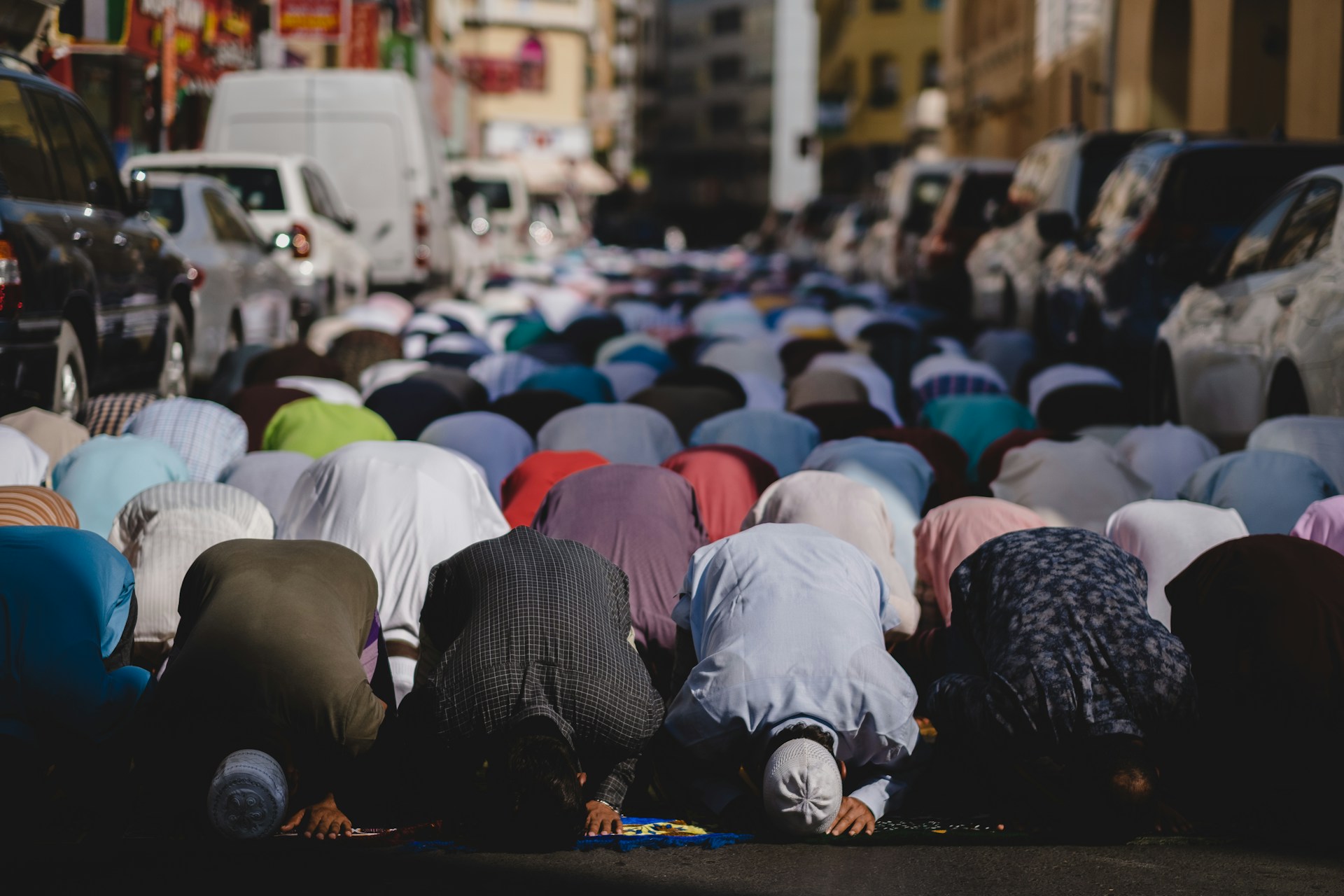
The streets of Makkah are adorned with a kaleidoscope of traditional dresses representing different countries and regions.
Pilgrims wearing garments ranging from the flowing white robes of Arab nations to the intricately designed fabrics of South Asia create a visual spectacle, showcasing the global unity in diversity that Makkah epitomises.
Hospitality of the Locals
Makkah’s locals, recognizing the significance of Ziyarat, embody the essence of hospitality. It is customary for residents to open their homes and hearts to pilgrims, offering food, shelter, and assistance.
The hospitality experienced in Makkah extends beyond basic courtesy; it is a reflection of the deep respect for those undertaking the sacred journey.
Culinary Delights: A Gastronomic Journey
Exploring the local cuisine is an integral part of the cultural experience in Makkah. From the bustling markets to the small eateries tucked away in narrow alleyways, pilgrims encounter myriad flavors.
Traditional dishes such as Harees, Jareesh, and dates symbolise the culinary heritage of Makkah, adding a delightful layer to the overall cultural immersion.

Markets and Souks: A Shopper’s Paradise
Makkah’s markets and souks provide a unique shopping experience, allowing pilgrims to explore traditional crafts, textiles, and religious artifacts.
The bustling markets are alive with the chatter of vendors, the aroma of incense, and the vibrant colors of goods on display.
Purchasing souvenirs becomes a cultural exchange, with each item telling a story of Makkah’s heritage. Some vendors in Saudi Arabia even offer free edibles to the pilgrims, which is a beautiful way to gather virtue during the tours.
Cultural Events and Festivals
Makkah, a city deeply rooted in tradition, hosts cultural events and festivals that add an extra layer of vibrancy to the Ziyarat experience.
These events often include exhibitions, cultural performances, and gatherings that celebrate the diversity of the Muslim ummah, fostering a sense of community and shared identity.
Connecting with Local Traditions
Pilgrims have the opportunity to engage in local traditions, such as participating in communal prayers, joining in traditional dances, or attending cultural exhibitions.
These interactions provide a deeper understanding of Makkah’s cultural fabric and role as a global hub for Islamic culture and heritage.
As pilgrims navigate the cultural landscape of Makkah, they become not only participants in a spiritual journey but also ambassadors of cultural exchange, carrying the rich tapestry of Makkah’s cultural experience back to their homes around the world.

Challenges and Tips – Embracing the Journey
Makkah Ziyarat is a transformative and sacred journey, but it comes with its share of challenges:
Navigating Crowds: A Common Challenge
One of the primary challenges pilgrims face during Makkah Ziyarat is navigating through large crowds, especially around the Kaaba and during key rituals.
The sheer volume of worshippers can be overwhelming, but with strategic planning and mindfulness, pilgrims can mitigate the impact of crowds.
Tips
- Plan Off-Peak Visits: Choose non-peak hours for rituals to minimise crowd density.
- Stay Patient and Calm: Composure and patience are crucial in crowded areas.
Accommodation Logistics
Finding suitable and affordable accommodation close to the holy sites can be a challenge, especially during peak seasons.
The demand for lodging is high, and pilgrims may face difficulties securing convenient places to stay. Booking a hotel in the closest vicinity to Haram is a top priority among all pilgrims as it minimizes the hefty hours of travel time.
Tips
- Book Early: Secure accommodations well in advance to ensure proximity to the holy sites.
- Consider Group Bookings: Group bookings can provide cost-effective and convenient options.
Weather Conditions
Makkah experiences extreme temperatures, and pilgrims, particularly those unaccustomed to the climate, may find it challenging to cope with the heat.

Tips
- Dress Appropriately: Wear light, breathable clothing and a wide-brimmed hat to shield from the sun.
- Stay Hydrated: Carry a water bottle and stay well-hydrated, especially during outdoor rituals.
Language Barriers
Given the diverse international gathering, language differences can pose a challenge for effective communication and navigation.
Tips
- Learn Basic Phrases: Familiarise yourself with common Arabic phrases to facilitate communication.
- Use Translation Apps: Smartphone translation apps can be handy for quick translations.
Financial Planning
Managing expenses and ensuring a smooth financial journey can concern pilgrims, particularly those on a tight budget. The expenses may vary for adults and children; budget Umrah packages might be a good option for this.

Tips
- Set a Budget: Establish a realistic budget for the entire trip, including accommodation, food, and transportation.
- Exchange Currency in Advance: Exchange currency beforehand to avoid last-minute hassles.
Health Considerations
The physical demands of rituals, combined with the climate, may impact the health of pilgrims, leading to fatigue or other health issues.
Tips
- Prioritise Health: Get regular check-ups before the journey and follow medical advice.
- Rest Adequately: Ensure sufficient rest between rituals to prevent exhaustion.
Spiritual Focus Amid Distractions
In the midst of the crowds, rituals, and the hustle and bustle, maintaining a deep spiritual focus can be challenging for some pilgrims.
Tips
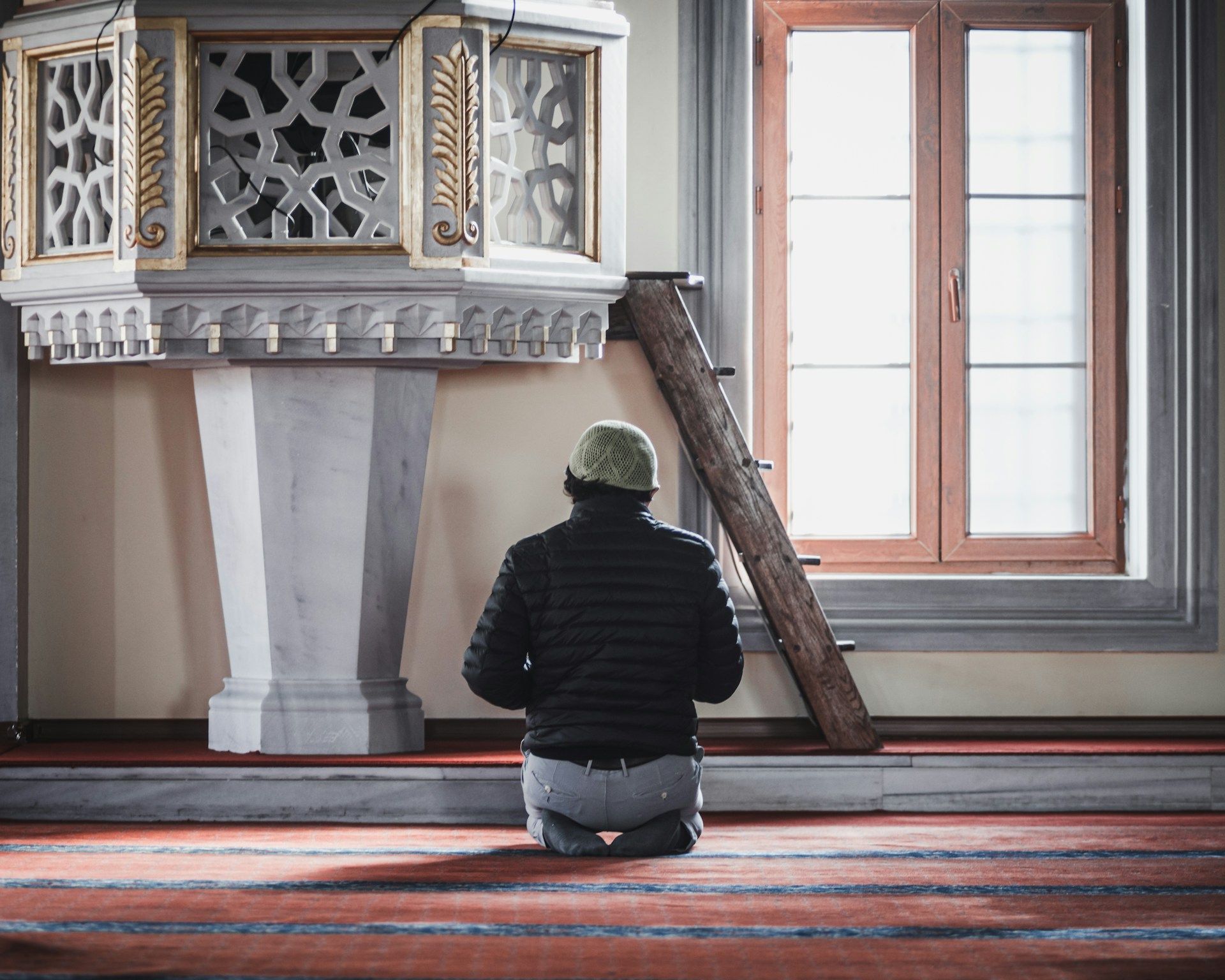
- Mindful Practices: Incorporate moments of mindfulness and reflection into daily rituals.
- Engage in Quiet Times: Find serene spots for personal prayer and contemplation.
With thoughtful planning, resilience, and a positive mindset, pilgrims can navigate these challenges and focus on the spiritual essence of their pilgrimage.
Remember, the challenges are part of the journey, contributing to Makkah Ziyarat’s overall growth and experience.
Summary – Makkah Ziyarat Tours
With its challenges and triumphs, Makkah Ziyarat and tours to other sacred sites emerge a transformative soul journey—a sacred odyssey fostering spiritual renewal and personal growth.
May the lessons and blessings from Makkah resonate in the hearts of pilgrims and guide them on a path illuminated by faith and righteousness
]]>In 2023 countries like Algeria, Indonesia, Iran, and Nigeria have received their respective quotas, allowing a specific number of pilgrims to embark on this sacred journey.
However, for many other countries, agreements are yet to be disclosed. As the pilgrimage approaches, countries await the finalisation of quotas, ensuring their citizens can participate in this deeply meaningful spiritual experience.
Let’s take a closer look at the Hajj quota of 2024.
Hajj 2024
For the upcoming Hajj in 2024, up to now, Saudi Arabia has confirmed the Hajj allocation for one country so far. Indonesia is the only country which has its Hajj quota confirmed for 2024 which is fixed to 221,000 pilgrims.
We will update this list with new announcements from the Saudi Arabia government with countries and their Hajj 2024 Pilgrim allocations. Feel free to bookmark this page or sign up to our email listing to be notified!
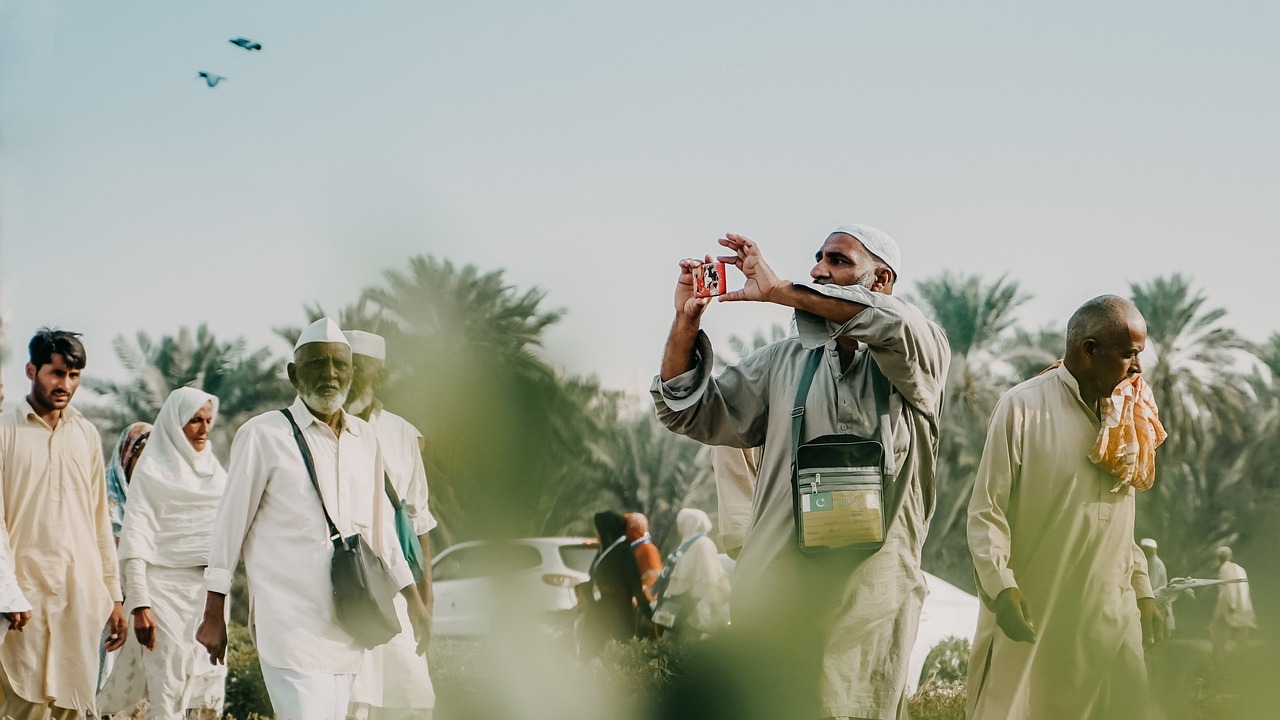
Hajj 2023
Hajj, the annual Islamic pilgrimage, is significant for Muslims worldwide as it offers profound spiritual fulfillment. As preparations for Hajj 2024 are underway, the schedule and flights have been announced.
In 2023, Saudi Arabia has granted “unlimited” permission for pilgrims, lifting the limitations imposed by the pandemic.
While the final quota for all countries is still pending, several countries, including Bangladesh, India, and Pakistan, have already received their confirmed quotas.
Let’s delve into the significance of Hajj and the allocation of quotas for the upcoming pilgrimage season.
When was Hajj in 2023?
Hajj 2023, the annual Islamic pilgrimage, is scheduled from June 26th, 2023, to July 1st, 2023.
During this time, millions of Muslims worldwide will embark on a sacred journey to the holy city of Mecca in Saudi Arabia. It is a time of deep devotion and spiritual reflection as pilgrims fulfill one of the Five Pillars of Islam.
What is the Hajj quota for 2023?
The Hajj quota for 2023 is still being finalised for most countries. However, some countries have already received their confirmed quotas.
Notably, Bangladesh, India, and Pakistan have been allocated quotas of 127,198, 175,025, and 179,210 pilgrims, respectively. These numbers reflect the number of individuals from each country who can participate in the Hajj pilgrimage in 2023.
List of Hajj Quotas from countries around the world for 2023 is:
- Algeria: 41,300
- Bangladesh: 127,198
- India: 175,025
- Indonesia: 221,000
- Iran: 87,550
- Kyrgyzstan: 6,000
- Malaysia: 31,600
- Nigeria: 95,000
- Oman: 14,000
- Pakistan: 179,210
- Russia: 25,000
- Senegal: 12,800
- Singapore: 900
- South Africa: 2,500
- Sudan: 32,000
- Syria: 22,500
- Tunisia: 10,982
Note that the quotas for other countries are still being determined and will be announced in due course.
Previous Hajj 2022 Quota
The Hajj quota for the previous year, 2022, varied for different countries.
Here is a list of the quotas allocated to various countries for Hajj 2022:
- Afghanistan: 13,582
- Australia: 2,090
- Bahrain: 2,094
- Belgium: 1,499
- Cameroon: 4,527
- Canada: 1,951
- Chad: 3,997
- China: 9,190
- Egypt: 35,375
- Ethiopia: 19,619
- France: 9,268
- Germany: 4,125
- Guinea: 4,527
- Iraq: 15,252
- Italy: 1,351
- Jordan: 3,622
- Kazakhstan: 4,527
- Kenya: 4,527
- Kuwait: 3,622
- Lebanon: 2,716
- Mali: 6,032
- Morocco: 15,392
- Myanmar: 2,173
- Nepal: 543
- New Zealand: 204
- Niger: 7,194
- Palestine: 2,988
- Palestinians in Lebanon: 679
- Qatar: 1,087
- Somalia: 5,206
- South Sudan: 616
- Spain: 970
- Sri Lanka: 1,585
- Sweden: 1,182
- Tanzania: 11,476
- Turkey: 37,770
- Uzbekistan: 10,865
- Uganda: 4,871
- United Arab Emirates: 2,820
- United Kingdom: 12,348
- United States of America: 9,504
- Venezuela: 91
- West Africa: 306
- Yemen: 10,981
Hajj Registration
Hajj registration is an essential process that allows individuals to express their intent to participate in the annual pilgrimage to Saudi Arabia.
The registration process typically involves providing personal information to the designated authorities, such as name, nationality, and contact details.
Depending on the country and local regulations, registration may be done online, through designated travel agencies, or by Hajj authorities.
The registration period and requirements may vary, and adhering to the specified deadlines is crucial.
Hajj registration ensures that proper arrangements can be made for pilgrims, including accommodation, transportation, and necessary support during the pilgrimage.
Hajj Lottery (Motawif)
The Hajj lottery, also known as the Motawif system, is an allocation process used by some countries to determine the selection of pilgrims for Hajj. In this system, applicants registered for Hajj are entered into a random draw or lottery, and the winners are chosen to participate in the pilgrimage.
The lottery system helps ensure fairness and equal opportunities for all applicants, as the selection is based on chance rather than other criteria.
Countries that utilise the Hajj lottery system aim to provide an unbiased method for allocating limited quotas and managing many individuals aspiring to perform the Hajj pilgrimage.
Hajj Prices 2024
Hajj prices for the year 2024 can vary, depending on several factors, including the package provider, accommodation type in Saudi Arabia, transportation, and additional services included in the package.
Hajj packages typically cover expenses such as visa fees, flights, accommodation in Mecca and Medina, meals, transportation within Saudi Arabia, and other logistical arrangements.
It is essential to note that the prices for Hajj packages can fluctuate yearly due to various factors, including changes in currency exchange rates, rates of flights, visa fee, transportation costs, and local regulations.
Pilgrims are advised to research and compare different package options to find one that best suits their needs and budget.
Why are Hajj Packages So Expensive?
Hajj packages can be relatively expensive due to several reasons. First and foremost, organising the Hajj pilgrimage involves significant logistical arrangements and infrastructure investments.
This includes providing suitable accommodation, flights, transportation, and other services to accommodate the large influx of pilgrims during the Hajj season.
Additionally, various fees are associated with obtaining visas, securing permits, and complying with local regulations set by the Saudi ministry or Saudi Arabia government if you want to travel to Saudi Arabia.
The costs of flights, especially during peak travel seasons, especially when you’re living abroad, and can also contribute to the overall expenses, so you should always seek travel advice.
Hajj 2024 Age Limit
The age limit for Hajj 2024 varies depending on the country and the regulations set by the Saudi Arabian authorities. Generally, individuals wishing to travel for Hajj must be at least 18 to obtain visa.
However, there is no upper age limit for Hajj participation. Elderly individuals who are physically capable and medically fit to undertake the rigorous activities involved in the pilgrimage are welcome to perform Hajj.
Elderly pilgrims must consult with their healthcare providers and ensure they are healthy before embarking on this spiritual journey to Saudi Arabia.
The safety and well-being of all pilgrims, regardless of age, are of utmost importance during Hajj and Umrah both.
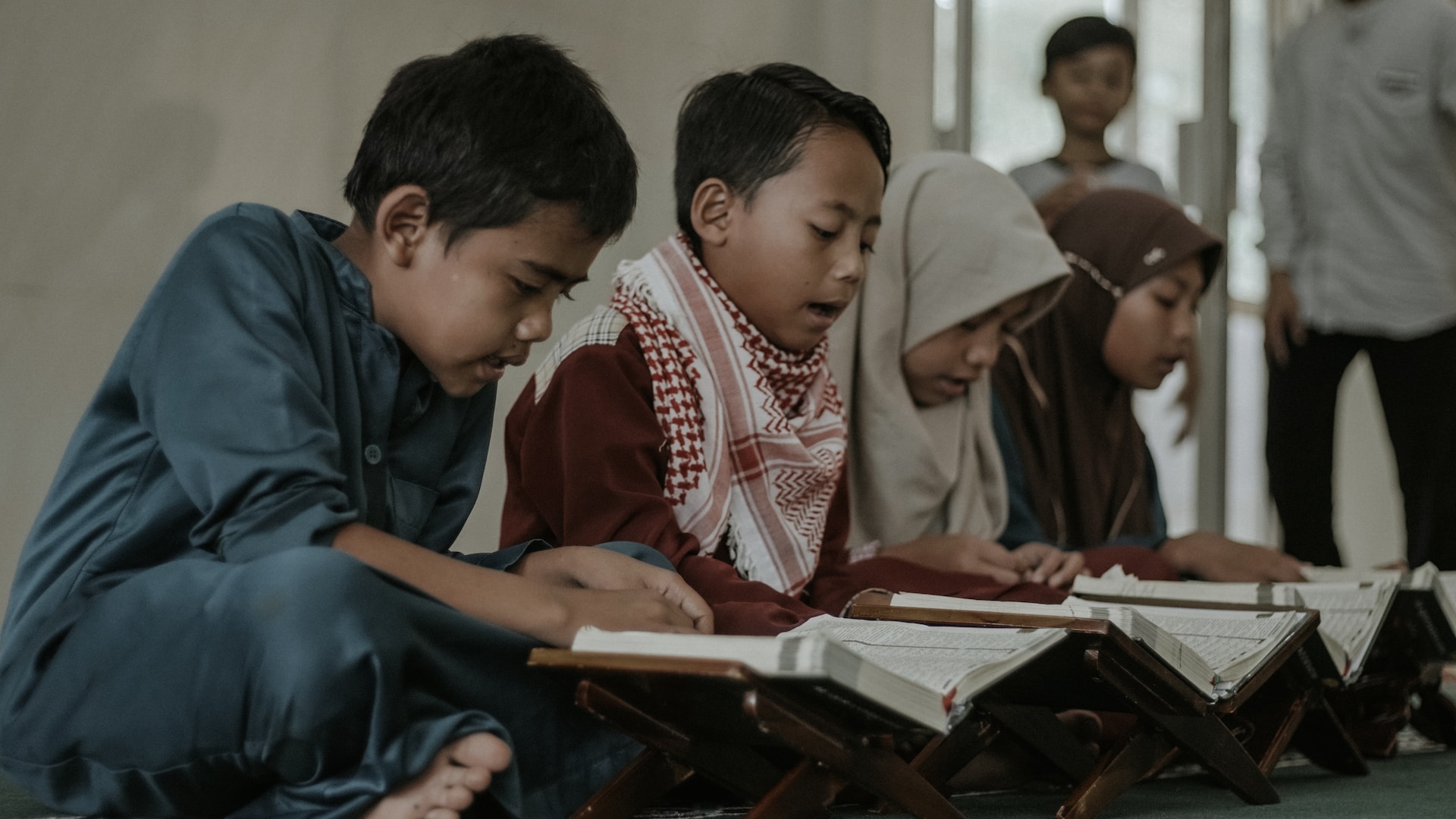
Summary – Hajj Quota 2024
To sum it up, countries worldwide have started to get allocated specific quotas of allowed visa for the upcoming Hajj pilgrimage for foreign travel.
While the final quota for all countries is yet to be decided, some countries like Bangladesh, India, and Pakistan have already received their confirmed quotas.
The quotas vary from country to country, ensuring a diverse participation of pilgrims from different nations in this sacred journey to the Holy city of Mecca in Saudi Arabia
]]>- Abu Rafi’, who was in charge of the luggage of the Prophet (ﷺ) narrates, “The Prophet (ﷺ) did not command me to stop in Al-Abtah, but I pitched his tent for him there, and he came and stayed there.”
- Aisha (may Allah be pleased with her says, “The Prophet (ﷺ) stopped there because it was easier for him when he wanted to leave, so whoever wanted to, could stop there. And however did not want to, did not do so.”
- The word ‘Abtah’ is derived from the root word ‘bat’h’, which indicates that something is spread and stretched out.
- Al-Abtah is now part of the city of Makkah. There is a long road that runs through it called Al-Abtah Road. It is a wide road, full of buildings and markets, and it is on the route that the pilgrims take from Masjid Al-Haram to Mina.
References: Holy Makkah – Shaikh Safiur-Rahman Mubarakpuri
]]>Mina in the Quran
- Mina is referenced in Surah Baqarah in the Quran: “And remember Allah during [specific] numbered days. Then whoever hastens [his departure] in two days – there is no sin upon him; and whoever delays [until the third] – there is no sin upon him – for him who fears Allah . And fear Allah and know that unto Him you will be gathered.” [2:203]
Meaning of ‘Mina’
- Mina is derived from the word with the root letters ma-na-ya which means ‘to be put to the test’ or ‘to undergo‘ or ‘to find’. It is connected to word ‘manna‘ and ‘tamanna‘ which means ‘to awaken a desire’ or ‘to hope for’.
- Another reason it is called Mina is because it is connected to the test that Prophet Ebrahim (عليه السلام) had to undergo when he was ordered to slaughter his son. When his resolve was proven, he sacrificed a ram in place of his son. The name implies the ‘place where he was tested’ and the ‘place where he succeeded’.
- The word Mina can also mean ‘to flow’ because here the blood of sacrificial animals flows during the festival day of Eidul Adha. During the Farewell Pilgrimage (Hajjat-ul-Wada) the Muslims had brought with them 100 camels to be sacrificed.
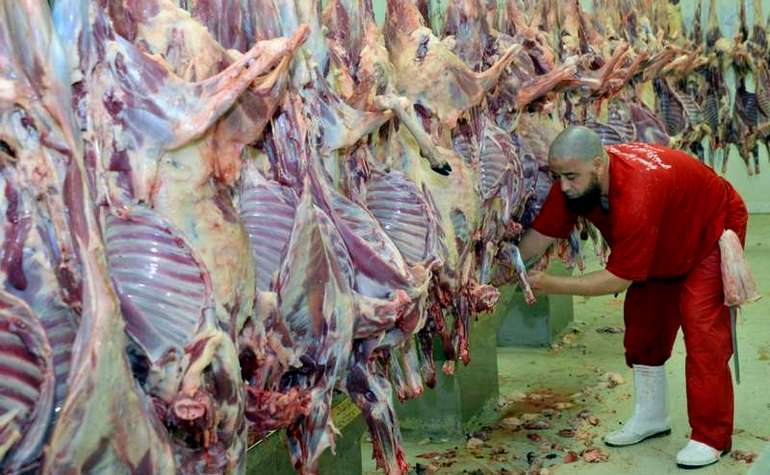
Sacrifices offered by the Prophet (ﷺ)
- On the 10th Dhul Hijjah the Prophet (ﷺ) stoned the Jamarat and went back to his camp in Mina where he sacrificed 63 of the camels. Ali (رضي الله عنه) slaughtered the remaining 37 camels and the Prophet (ﷺ) instructed that a part of each camel is cooked and served to him and his Companions.
- After the camels had been sacrificed, the Prophet (ﷺ) called for a barber to shave his head. Abu Bakr (رضي الله عنه) remarked afterwards on the contrast between the Khalid bin Waleed before he embraced Islam (when he was a bitter enemy of the Muslims) and the Khalid who now said, “O Messenger of Allah, they forelock! Give it unto none but me, my father and my mother be thy ransom!” And when the Prophet (ﷺ) gave it to him he pressed it reverently against his eyes and lips. It is reported that Khalid bin Waleed (رضي الله عنه) used to keep this hair in his headgear.
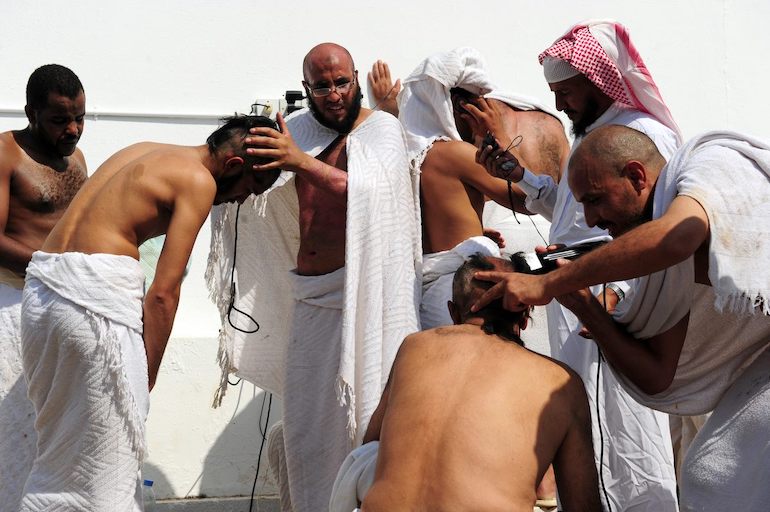
The Cave of Mursalaat
- There lies a cave in Mina known as the ‘Cave of Mursalaat’ as this was where the Prophet (ﷺ) was when Surah Mursalaat was revealed to him.
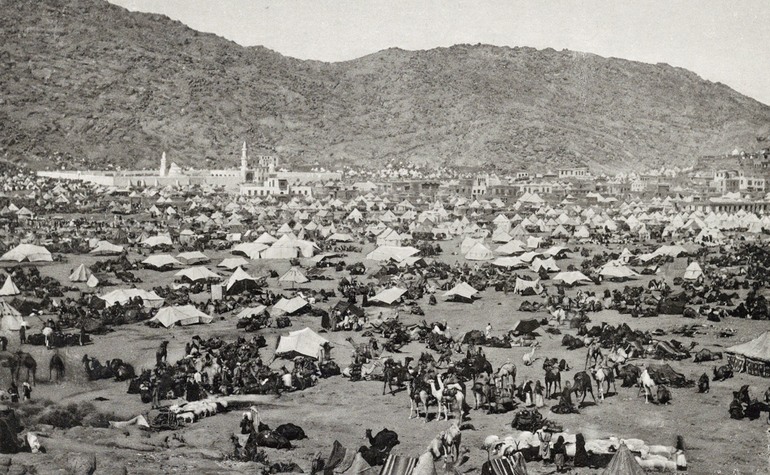
Capacity of Mina
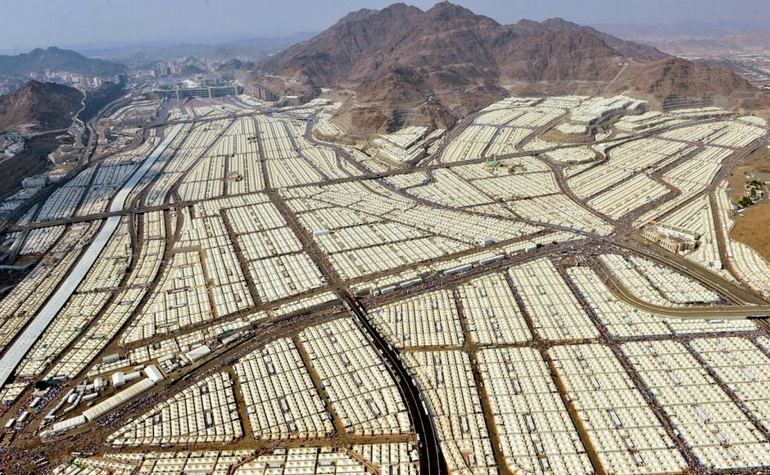
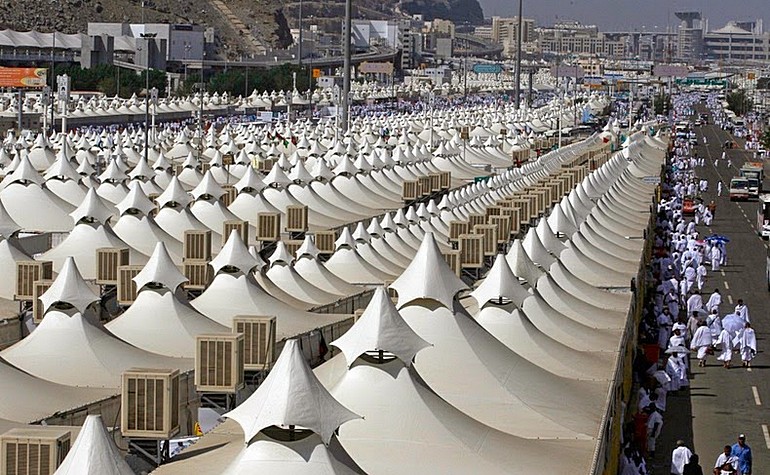
- Around 3 million pilgrims stay annually in Mina as part of the Hajj pilgrimage. The 20 km2 area accommodates them in more than 100,000 air-conditioned tents, leading to Mina also being known as the ‘Tent City’.
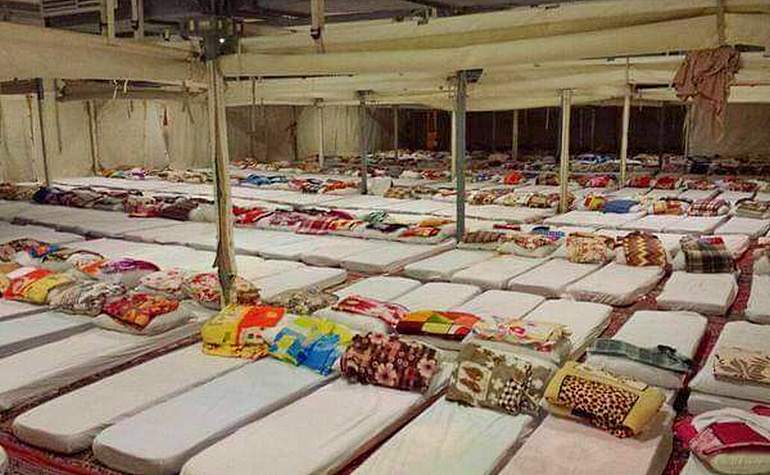
Points of reflection at Mina
- When we look back at the Seerah we see the First Pledge by a group of 12 Men (from Madinah) was taken in Mina. This consisted of not to associate partners with Allah, not to steal, commit adultery, kill children, bring false statements upon one another and not to be disobedient [when ordered] to do a good deed.
- This marked the turning point and revolution of Yathrib which later became the luminous city of Madinah. In this very spot if we also take similar pledges, will it not instil the love for Allah and his messengers the way the companions did.
- In this early part of Hajj the heart of the Pilgrim starts to take its turn to a more religious and spiritual journey which is to last a lifetime.
References: The History of Makkah Mukarramah – Dr. Muhammad Ilyas Abdul Ghani, When the Moon Split – Shaikh Safiur-Rahman Mubarakpuri, Men around the Messenger – Khalid Mohammed Khalid, Muhammad – Martin Lings
]]>Meaning of ‘Arafat’
- The common meaning of the word Arafat is ‘to know’. After being taken out of Jannah and placed on Earth, it was at Jabal Arafat that Prophet Adam (عليه السلام) and Hawa (عليها السلام) met up again.
- Arafah (عرفة) is the name of the day, and Arafat (عرفات) is the name of the land.
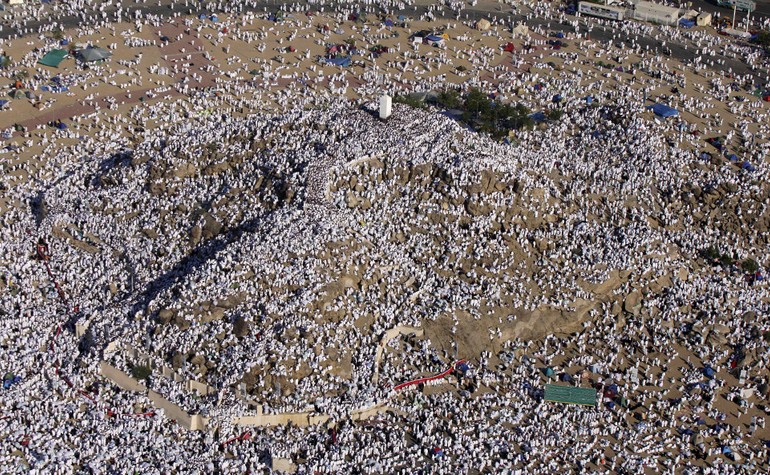
Importance of Arafat for the Hujjaj
- Standing on Arafat is an essential part of the Hajj; whoever misses the standing on Arafat has missed Hajj, because the Prophet (ﷺ) said: “Hajj is Arafat.” [al-Hakim]
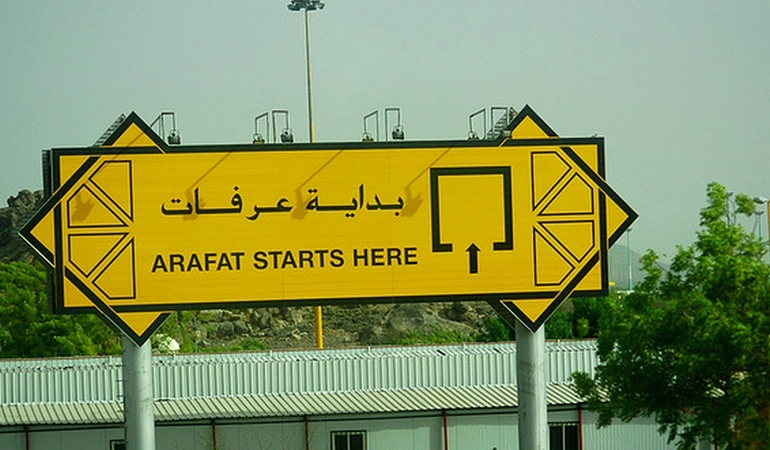
- The day of Arafat has many virtues, as was narrated in many Ahadith. Aisha (رضي الله عنها) narrated that the Prophet (ﷺ) said: “There is no day in which Allah sets free more souls from the fire of hell than on the day of Arafat. And on that day Allah draws near to the earth and by way of exhibiting His Pride remarks to the angels, ‘What is the desire of these (servants of mine)?'” [Muslim]
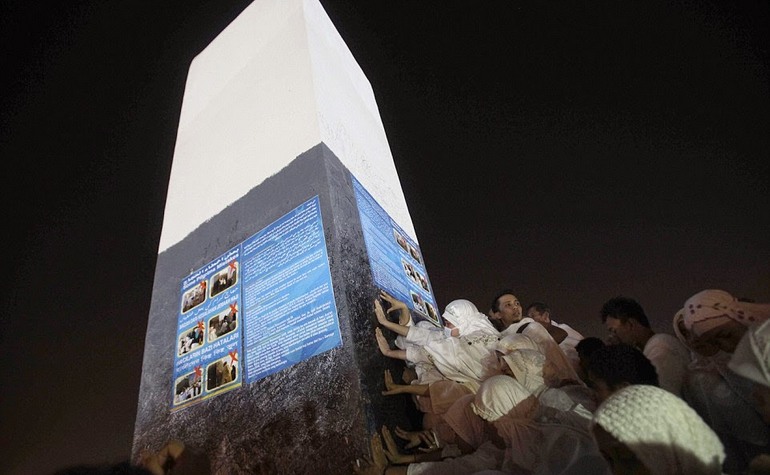
Du’a on the Day of Arafat
- The Prophet (ﷺ) said, “The best invocation on the day of Arafat, and the best of all the invocations I ever offered or other holy Prophets before me ever offered is: “There is no god but Allah: He is Unique ; He hath no partner, the whole universe is for Him and for Him is the praise, and He hath power over all things.” [Tirmidhi]

- In another Hadith the Prophet (ﷺ) said: “Apart from the day of the Battle of Badr there is no day on which the Shaitan is seen to be more humiliated, more rejected, more depressed and more infuriated, than on the day of Arafat, and indeed all this is only because of beholding the abundance of descending mercy (on the day) and Allah’s forgiveness of the great sins of the servants.“ [Mishkat]
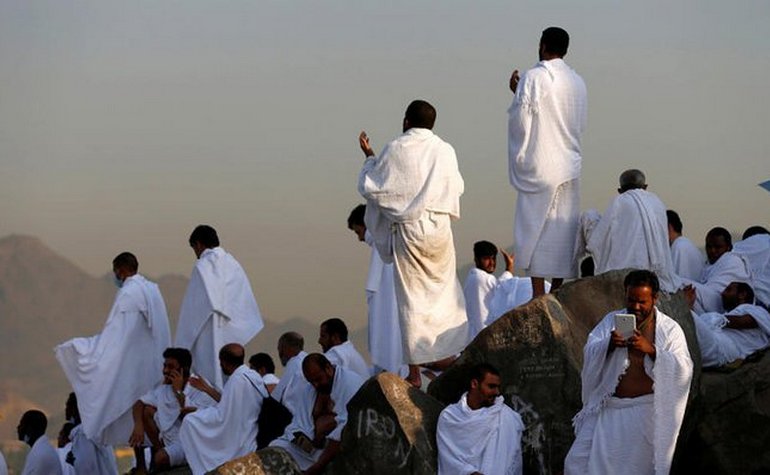
Fasting on the Day of Arafat
- One of the virtues of the day of Arafat is that fasting this day expiates for the sins of the past and coming year. It was reported from Abu Qatadah that a man said: “O Messenger of Allah, what do you think of fasting on the day of Arafat?” He said: “It expiates for the sins of the previous year and of the coming year” [Muslim]
- This (fasting) is mustahab (desirable) for those who are not on Hajj. In the case of the one who is on Hajj, it is not Sunnah for him to fast on the Day of Arafat, because the Prophet (ﷺ) did not fast on this day when he was in Arafat.
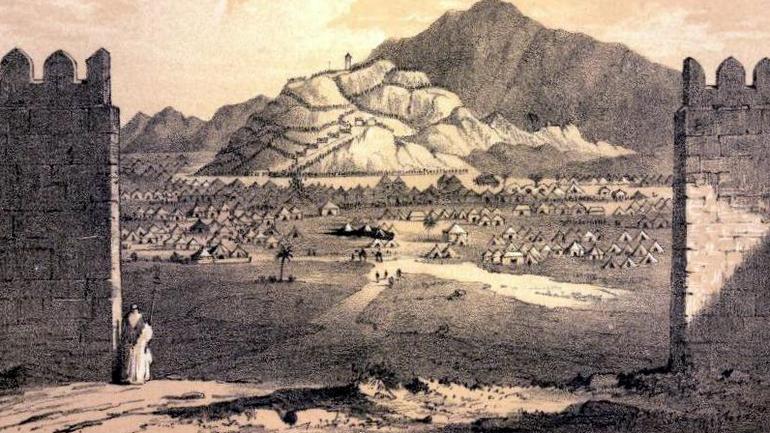
Points of reflection at Jabal Arafat
- Jabal Arafat is a special place of Du’a (supplication). The virtue of this place is in asking from Allah (ﷻ) and the response is promised. Our beloved Prophet (ﷺ) and Prophet Ebrahim (عليه السلام) made Du’a at this very spot.
- The pilgrims heart should filled with nothing but neediness; which is presented in heartfelt Du’as. What better day to ask and we are the only losers if we don’t take a share of the promised response from the Almighty.
References: The History of Makkah Mukarramah – Dr. Muhammad Ilyas Abdul Ghani, Holy Makkah – Shaikh Safiur-Rahman Mubarakpuri, Virtues of Hajj – Sheikh Zakariyya Kandhalvi
]]>Who was Zubaidah?
- Zubaidah bint Ja’far ibn Mansur was the wife of the fifth Abbasid Caliph Harun ar-Rashid. She was extremely wealthy but was also known for her personal piety and humbleness. It’s said that her living quarters in her palace in Iraq sounded like a beehive due to the female reciters of the Quran she had employed.
- Zubaidah devoted her life in humanitarian work but her greatest accomplishment was improving the 900 mile pilgrim route that connected Kufa to Makkah and Madinah. This became known as the ‘Darb-e-Zubaidah’.
The instigation of the Canal of Zubaidah
- In the year 809 CE (193 AH), Zubaidah went on her fifth Hajj. That year there had been a drought in Makkah and she witnessed the devastating effect on the local population and the pilgrims.
- Saddened by the situation she immediately called for a solution. Engineers and experts from different regions were employed to resolve the crisis. They proposed the building of a canal from the spring of Hunain which was 95km to the east. However, it wasn’t possible to build a canal on the surface because of the rocky and barren land. Instead, engineers chose to build an aqueduct which channeled water through a tunnel and provided it at different intervals where required.
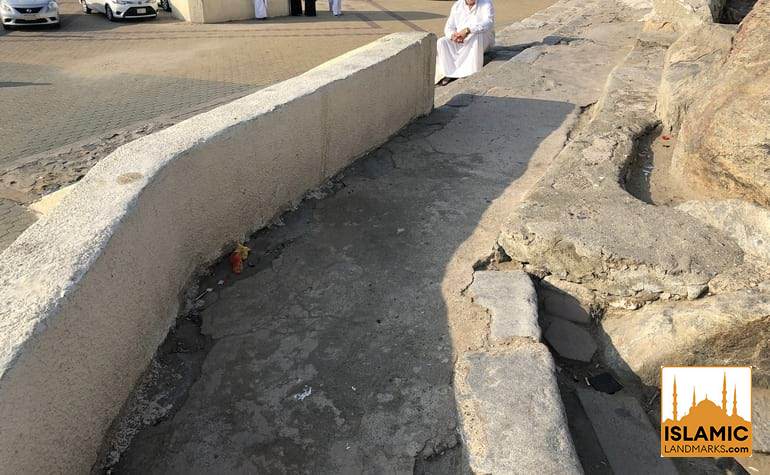
Building the Canal of Zubaidah
- Zubaidah purchased the entire Hunain Valley to make use of its water resources. The engineering was a huge feat, requiring extensive digging and building on rocky hills. The whole cost was met by Zubaida. According to the biographer Ibn Khallikan, when she was cautioned her about the expense, she replied that she was determined to carry out the work “were every stroke of a pickaxe to cost a dinar”.
- After several years of building work the canal was extended out to Mount Arafat and then to the plains of Mina and Muzdalifah. In total, it was approximately 35km long.
- The canal would go on to serve both locals and pilgrims for over one thousand years.
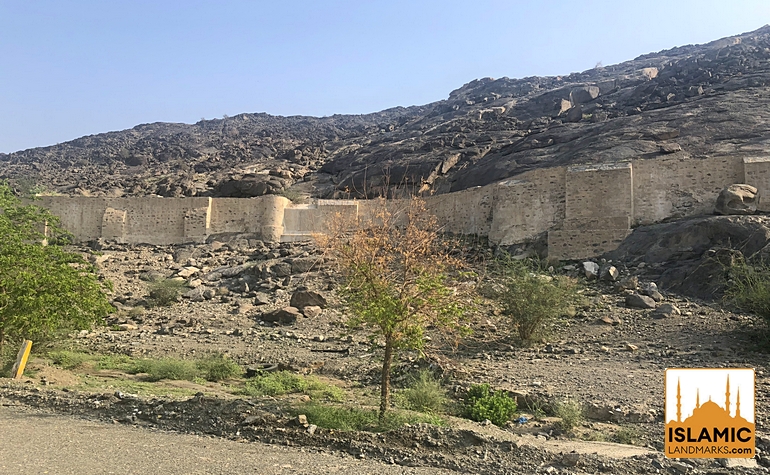
Decline of the canal
- The canal suffered gradual neglect and its function declined as a result of cracks and leaks. By 1980 the water had completely dried up.
- There are apparent proposals by the Saudi government to restore part of the canal.
References: ArabNews.com, Lifeofarabs.com
]]>After praising, and thanking Allah the Prophet (ﷺ) said:
O People, lend me an attentive ear, for I know not whether after this year, I shall ever be amongst you again. Therefore listen to what I am saying to you very carefully and take these words to those who could not be present today. O People, just as you regard this month, this day, this city as Sacred, so regard the life and property of every Muslim as a sacred trust. Return the goods entrusted to you to their rightful owners. Hurt no one so that no one may hurt you. Remember that you will indeed meet your Lord, and that He will indeed reckon your deeds.
Allah has forbidden you to take usury (interest), therefore all interest obligation shall henceforth be waived. Your capital, however, is yours to keep. You will neither inflict nor suffer any inequity. Allah has judged that there shall be no interest and that all the interest due to Abbas ibn ‘Abdul Muttalib (Prophet’s uncle) shall henceforth be waived…
Beware of Shaitan, for the safety of your religion. He has lost all hope that he will ever be able to lead you astray in big things, so beware of following him in small things.
O People, it is true that you have certain rights with regard to your women, but they also have rights over you. Remember that you have taken them as your wives only under Allah’s trust and with His permission. If they abide by your right then to them belongs the right to be fed and clothed in kindness. Do treat your women well and be kind to them for they are your partners and committed helpers. And it is your right that they do not make friends with any one of whom you do not approve, as well as never to be unchaste.
O People, listen to me in earnest, worship Allah, say your five daily prayers (Salah), fast during the month of Ramadan, and give your wealth in Zakat. Perform Hajj if you can afford to. All mankind is from Adam and Eve, an Arab has no superiority over a non-Arab nor a non-Arab has any superiority over an Arab; also a white has no superiority over black nor a black has any superiority over white except by piety and good action. Learn that every Muslim is a brother to every Muslim and that the Muslims constitute one brotherhood.
Nothing shall be legitimate to a Muslim which belongs to a fellow Muslim unless it was given freely and willingly. Do not, therefore, do injustice to yourselves. Remember, one day you will appear before Allah and answer your deeds. So beware, do not stray from the path of righteousness after I am gone.
O People, no prophet or apostle will come after me and no new faith will be born. Reason well, therefore, O People, and understand words which I convey to you. I leave behind me two things, the Quran and my example, the Sunnah and if you follow these you will never go astray.
All those who listen to me shall pass on my words to others and those to others again; and may the last ones understand my words better than those who listen to me directly. Be my witness, O Allah, that I have conveyed your message to your people.”
The Farewell Sermon of the Prophet (ﷺ)
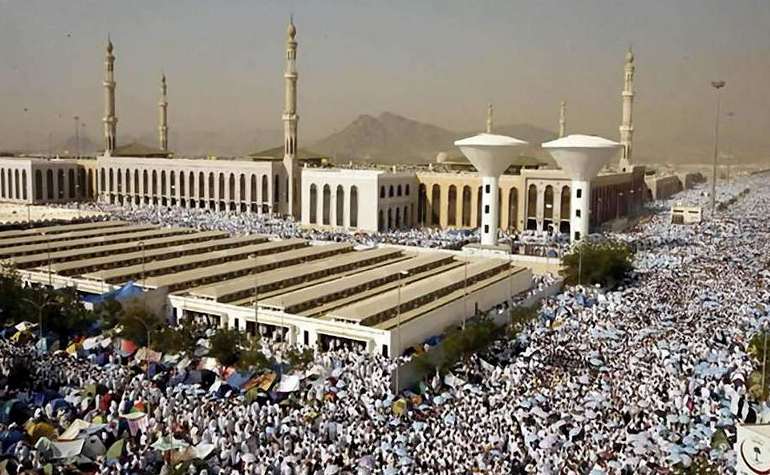
- Shortly after the Prophet (ﷺ) had finished addressing the people, he received a revelation from Allah: “Today I have perfected your religion for you and completed My favour upon you, and I have chosen Islam as your religion.” [5:3]
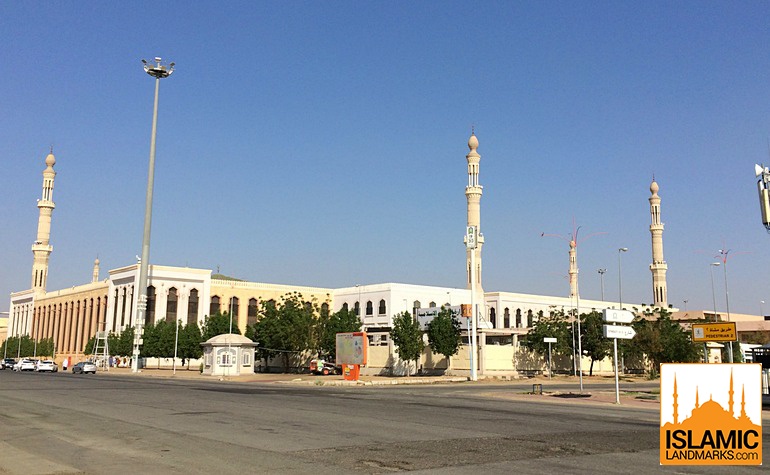
- In the second century of Islam, Masjid Nimrah was built at the spot where the Prophet (ﷺ) delivered the sermon and led the salah. Because Waadi Urana, where the sermon was delivered is outside the boundaries of Arafat, that section of the masjid is naturally also outside the boundaries.
- When the masjid was extended afterwards, it then became divided into two sections; the front section which was the location of the original masjid being outside Arafat and the back section being within the boundaries. After renovations, signboards were erected inside the masjid to inform people about this matter so that after performing their Zuhr and Asar salahs in congregation, they could either move to the back of the masjid or outside to spend the rest of their time in Arafat. Should a person spend all his time from midday to sunset in the front section of the masjid, his stay at Arafat will be invalid and his Hajj will therefore be incomplete.
References: The History of Makkah Mukarramah – Dr Muhammad Ilyas Abdul Ghani, Muhammed the last Prophet – Sayyed Abul Hasan Ali Nadwi, Wikipedia
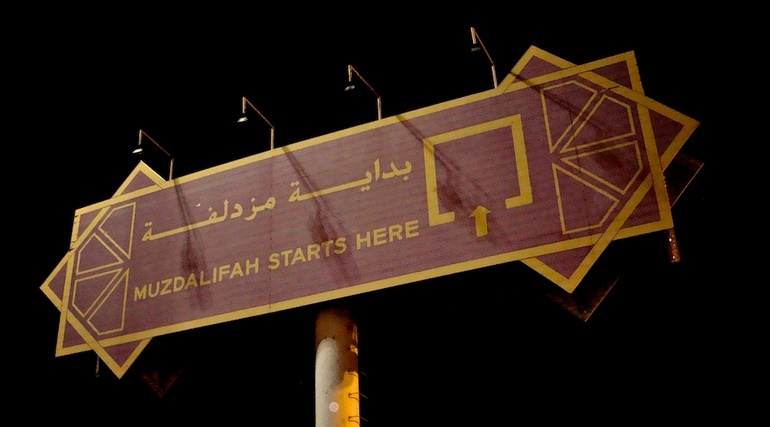
]]>- Muzdalifah stretches from the Valley of Muhassar to the mountains of Ma’zamayn. It is four kilometres long and covers an area of 12.25 square kilometers.
Reference in the Quran
- Allah (ﷻ) mentions in Surah Baqarah in the Quran:“When you leave Arafat, then remember Allah at the Mash’arul Haram.” (‘The Sacred Monument’, referring to Muzdalifah according to Abdullah bin Umar (رضي الله عنه))
Combining of salahs at Muzdalifah
- During the farewell Hajj, the Prophet (ﷺ) performed the Maghrib and Isha salats together here. He stayed at the spot where the present Masjid Mash’arul Haram currently is (towards the Qibla side). From there, the Prophet (ﷺ) said:“Although I am staying here, you may stay anywhere throughout Muzdalifah.” [Muslim]
- During Hajj It is waajib to perform Maghrib and Isha together here at Isha time. Wuqoof (stay) of Muzdalifah is also waajib and its time begins from sub’h saadiq and ends at sunrise. If one spent even a little portion of their time here, he/she will be absolved of this obligation. However, it is best to remain until just before sunrise.

Collecting pebbles
- Although pebbles for pelting the Jamarat may be collected from anywhere, they are best collected from Muzdalifah.
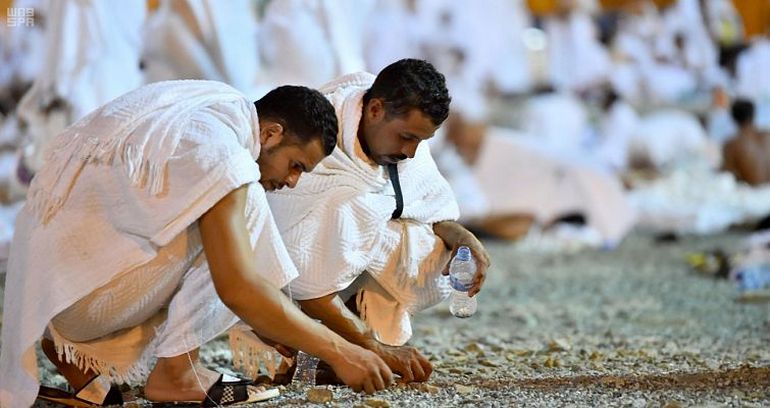
- Muzdalifah is also called ‘Jam’ as it is a place where people gather.
Points of reflection
- This is the night spent before ‘pelting the Shaytan’. The hearts are filled with new resolutions through the Du’as made at Arafat and the picking of stones.
- With each stone that is picked the pilgrim should remembers each sin and blameworthy characteristic they have and know that when they throw the stone they throw their bad habits with it.
References: The History of Makkah Mukarramah – Dr. Muhammad Ilyas Abdul Ghani, Holy Makkah – Shaikh Safiur-Rahman Mubarakpuri
]]>Mashar al-Haram in the Quran
- Allah (ﷻ) mentions in the Quran: “Then when you pour down from (Mount) Arafat, celebrate the praises of Allah at the Sacred Monument, and celebrate His praises as He has directed you, even though, before this, you went astray.” [2:198]

Du’a of the Prophet (ﷺ)
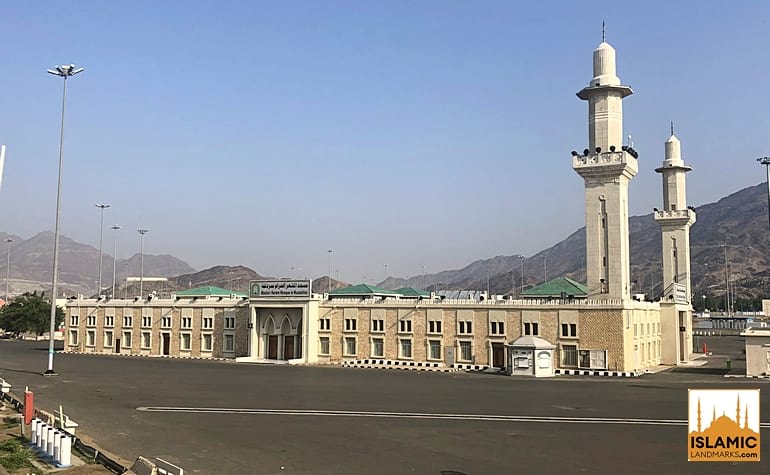
- The Mashar al-Haram is regarded as being a part of Muzdalifah but not all of it. Jabir (رضي الله عنه) reported that the Prophet (peace and blessings of Allah be upon him) stayed in Muzdalifah overnight. He then performed Fajr salah, mounted his she-camel until he came to Mashar al-Haram. After dismounting and facing the Qibla, the Prophet (ﷺ) made du’a, proclaiming the Greatness and Oneness of Allah.
Capacity and location
- The Masjid from east to west is 90m with a width of 56m. More than 12,000 worshippers can be accommodated inside at one time.
- Masjid Mashar al-Haram lies 5km away from Masjid al-Khayf in Mina and 7km from Masjid Nimrah in Arafat.
References: Holy Makkah – Shaikh Safiur-Rahman Mubarakpuri, Guide to visiting Makka and Madinah – Abdul Aziz Ahmed
]]>The actions of Prophet Ebrahim (عليه السلام)
- One of the purposes of the Hajj is to recall, while in Mina, how a 94 year old father brought his eight year old son here for sacrifice. Ebrahim (عليه السلام) had first left his wife and newborn son, Ismail (عليه السلام) in the desert upon Allah’s command. Then while returning after eight years to them he saw a dream wherein a man told him that Allah (ﷻ) wanted him to sacrifice his son. He saw the same dream for three consecutive nights and as he was a Prophet, his dreams were a form of Wahy (Divine Instruction).
- Prophet Ebrahim (عليه السلام) realised that Allah (ﷻ) wanted him to sacrifice his son for whom his heart was overfilled with love and emotions. He went to his wife and asked her to dress up Ismail (عليه السلام). Ismail (عليه السلام) was overjoyed that his father had come after such a long time and was now taking him out for a walk. When Hajra (عليها السلام) asked, “Where are you taking him?” He replied, “To meet a friend.”
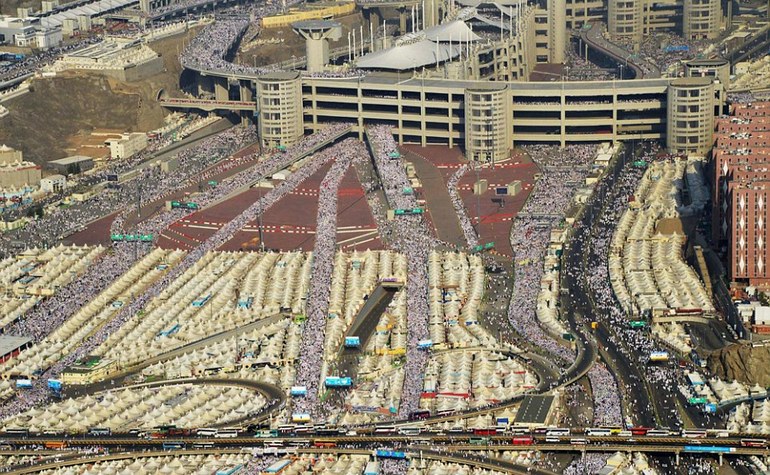
- They then reached Mina. Here Ebrahim (عليه السلام) asked his son that your father has seen such a dream, what is your opinion about it? The reason for asking was not to ask his opinion in deciding whether to go ahead with the command or not. It was to assess whether his son will allow him to follow the command freely or will he have to forcibly carry out this order. In other words, he asked this to test the intensity of love for Allah in his son’s heart. The son replied, “My father, obey the command given by Allah. You will, Insha’Allah, find me steadfast. Give my shirt to my mother as it will be a source of comfort for her and wrap me in your own shirt. Put me face down so you can’t see my face, lest you hesitate in carrying out my slaughter.”
- The skies and the earth witnessed that Ebrahim (عليه السلام) tied his son and laid him down. Now this was very unacceptable to Shaytan so he first went to Hajra (عليها السلام) and asked her, “Do you know where Ebrahim has taken your son?” She replied, “To meet a friend.” He said, “By meet a friend he meant to meet Allah. He is going to sacrifice him!” She said, “How can a father sacrifice his son?” By mistake, Shaytan uttered, “It is Allah’s command.” On hearing this Hajra (عليها السلام) replied, “If this is Allah’s command, then even a hundred Ismails can be sacrificed in this way.”

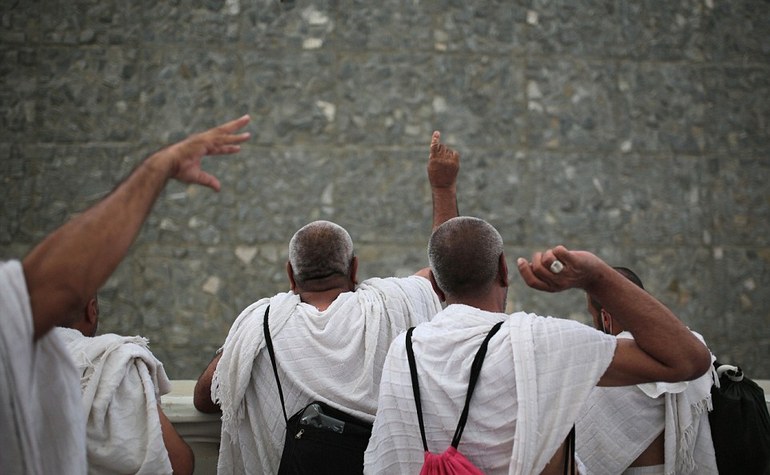
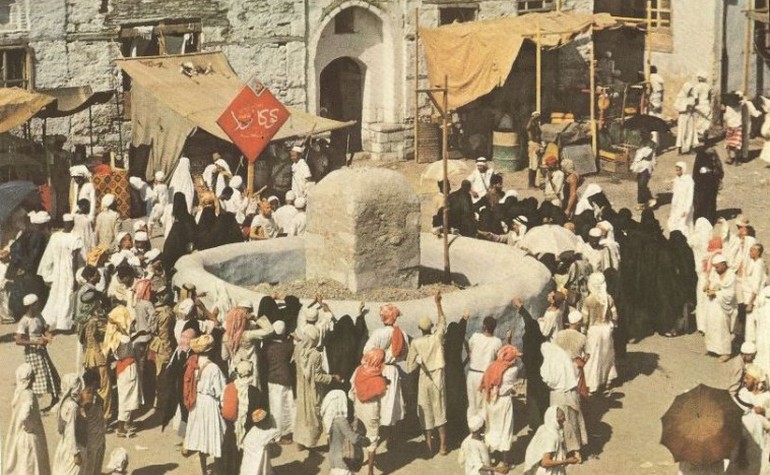
- Then he went to distract Ebrahim (عليه السلام). When he appeared to him at the first Jamarat, Jibraeel (عليه السلام) said to Ebrahim (عليه السلام): “Pelt him!” so Ebrahim (عليه السلام) threw seven stones at him and he disappeared from him. Then he appeared to him at the second Jamarat. Jibraeel (عليه السلام) said to him: “Pelt him!” so he pelted him with seven stones and he disappeared from him. Then he appeared to him at the third Jamarat. Jibraeel (عليه السلام) again instructed him: “Pelt him!” so he pelted him again with seven small stones and Shaytan withdrew from him. This action is imitated by all Hujjaj, symbolising one’s acknowledgement that Shaytan is one’s enemy and should be repulsed. The action of pelting stones at the Jamarat is known as ‘Rami‘.
- Ebrahim (عليه السلام) then laid Ismail (عليه السلام) down and put his knee on his neck so that he may not move. Then he faced the sky and called to Almighty Allah that, “Oh Allah! If you did not like the presence of love for Ismail in my heart, I seek your forgiveness.” Then he proclaimed Allah’s name and placed the knife on Ismail’s (عليه السلام) throat. He would rub the knife but it wouldn’t cut, Allah (ﷻ) had taken the quality of cutting away from the knife.
- Allah (ﷻ) was pleased with the sincerity of Ebrahim (عليه السلام) and sent a white, big-eyed sheep with horns in replacement of Ismail (عليه السلام) which Ebrahim (عليه السلام) sacrificed instead. This is the basis for the offering of sacrifice animals by the Hujjaj and by all other Muslims at the time of Eid-ul-Adha.
Difference in view with the Jews and Christians
- Note that the views of the Jews and Christians greatly differ from Muslims with regards to who the sacrificial son was and where this incident took place. In order to enhance their prestige and honour they have attributed the sacrificial son to Ishaq (عليه السلام) who is the forefather of the Jews and Christians rather than Ismail (عليه السلام) who is the forefather of the Muslims. They have also placed the setting to be in Jerusalem rather than Mina.
- It is clear, by looking at Biblical scriptural evidence that the sacrificial son could only have been Ismail (عليه السلام). For example, in Genesis 22:2 Abraham is commanded to take his only son for sacrifice. As Ismail (عليه السلام) was 13 years older than Ishaq (عليه السلام) and both were alive at the time of their father’s death, logically Ishaq (عليه السلام) could never be his only son.
Points of reflection at the Jamarat
- At the point of Pelting the Jamarat, it is not the pillars we attack but the inner effects and tricks of Shaytan. This is the point where we disassociate ourselves from the effects, path and whispers of Shaytan and replace it with the remembrance of Allah and his Messenger (ﷺ).
- It is at this point we make our firm resolution to not turn back to the life of sin when we return home, the point where we exclude Shaytan from our lives.
References: The Intellect – Volume 2, Issue 3, The History of Makkah Mukarramah – Dr. Muhammad Ilyas Abdul Ghani
]]>