- Hussain (رضي الله عنه) was born in Sha’baan 4AH. He was brought to the Prophet (ﷺ), who was overjoyed. He chewed a date and placed it in the newborn’s mouth which he began to suck. The first thing to enter his stomach was the Prophet’s (ﷺ) blessed saliva. He then gave adhaan and iqaamat in his ears and named him Hussain. On the 7th day, he instructed that the head should be shaved, and that Sadaqa of silver should be given equivalent to the weight of the hair. Thereafter he did the aqeeqah, (sacrificed two goats for him).
- Hussain (رضي الله عنه) was looked after and breastfed by Ummul Fadhl Radiallahu (رضي الله عنها) , the wife of the Prophet’s uncle Abbas. She mentions that once the Prophet (ﷺ) was holding Hussain (رضي الله عنه) in his lap and was in a cheerful mood. He suddenly began to cry. She enquired about the reason. He replied “Jibreel just informed me that my Ummah will one day kill this beloved son of mine.” [Bayhaqi]
- The Prophet (ﷺ) has stated in a hadith:
“Hussain is mine and I am Hussain’s. May Allah love the one who loves Hussain. Hussain is a mighty grandson”. [Ibn Majah] - Hussain narrates that his grandfather the Prophet (ﷺ):
“It is from the beauty of a person’s Imaan that he leaves aside things that don’t concern him”
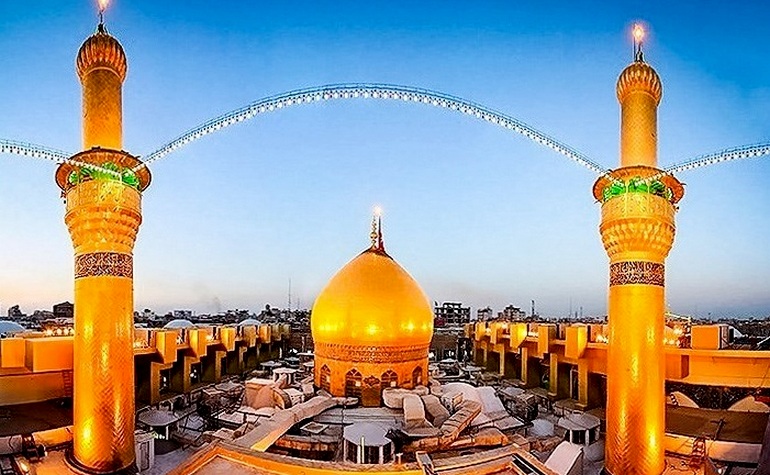
- Ibn Kathir writes, “Sayyiduna Abu Bakr may Allah be pleased with him) used to show great respect to the family of the Prophet (ﷺ). He used to treat Hussain with love, affection, and special attention. Same was the case with Sayyiduna Umar and Uthman (رضي الله عنهم)”. [Al-Bidayah, Tajalliyate Safdar]
- When the daughter of Kisra by the name of Princess Sheherbaanu was brought to Madinah Munawwarah among the captives, Umar (رضي الله عنه) said, “She is only suitable for Hussain.” He gave her to Hussain (رضي الله عنه) who freed her and married her. She gave birth to his son Ali Ibn Al Hussain who was later titled Imam Zain al-Abideen, due to the beauty of his worship.
- During the caliphate of Abu Bakr and Umar (رضي الله عنهم), Hussain (رضي الله عنه) was still growing up. In 26AH, during the Uthmani caliphate, he took part in the conquest of Tripoli. He was instrumental in that victory as well many others that followed. In 30AH, he was with Saeed Ibn Al-Aas (رضي الله عنه) in the conquest of Tabristaan, and thereafter in the conquest of Jurjaan.
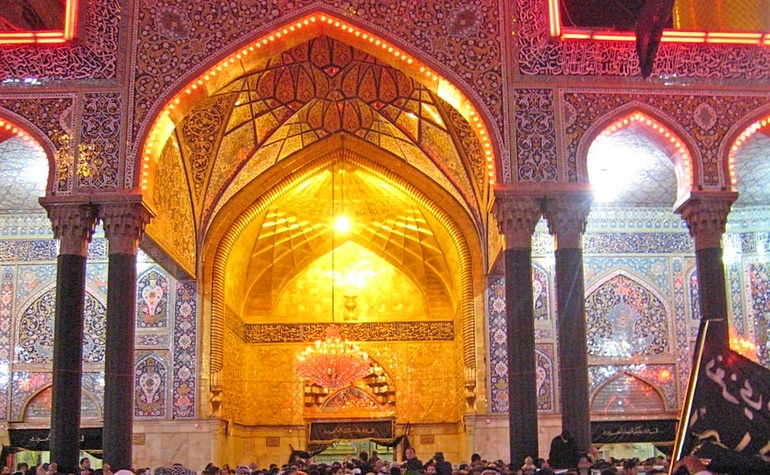
- In 34AH, when the rebels surrounded the residence of Uthman (رضي الله عنهم) and were thirsty for his blood, this brave prince offered his life, along with a group of youth. They would stand by the door and would guard his house, drawing the rebels back. Despite repeated requests to finish off the rebels and having the ability to do that, Uthman (رضي الله عنه) forbade them from shedding a single drop of blood for his protection. In the end, the rebels forced their way in to the neighbours’ property and jumped the walls. They then murdered Uthman (رضي الله عنه).
- After the martyrdom of Uthman (رضي الله عنه), the Muhajireen and Ansar pledged their allegiance to Ali (رضي الله عنه). Hussain (رضي الله عنه) was at his father’s side throughout the five years of his caliphate. He was a very obedient and humble son and took part in the notable battles of Jamal and Siffeen.
- After the death of his father, he treated his elder brother Hassan (رضي الله عنه), like a father figure. He would always be at his side and consult him in important affairs.
- After remaining khaleefa for just 6 months, Hasan (رضي الله عنه) handed the reign of leadership to Muawiyah (رضي الله عنه). Muawiyah (رضي الله عنه) treated the Ahle Bayt with utmost respect. He had fixed an allowance of 100,000 per annum for Sayyiduna Hasan and Hussain (رضي الله عنهم). When they would travel to Shaam or Muawiyah (رضي الله عنه) would come Madinah, they would treat each other with generosity and hospitality.
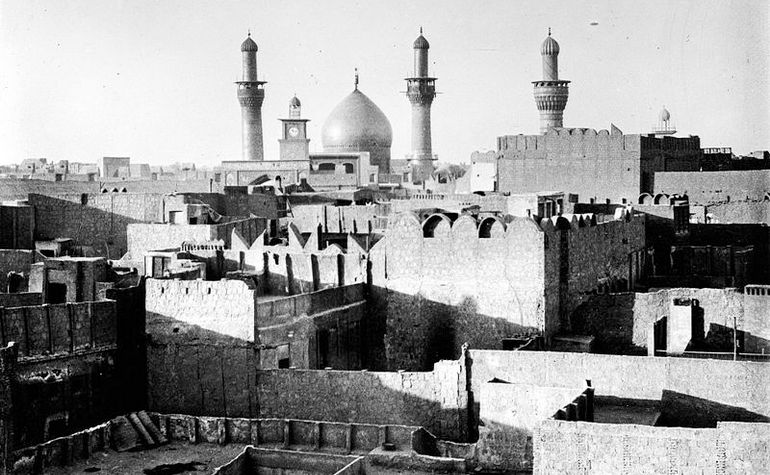
- When Hassan (رضي الله عنه) died in 50AH, Hussain (رضي الله عنه) became the eldest among the prophetic household. He was the best person on the face of the earth at that time. Once Abdullah bin ‘Amr ibn al-Aas (رضي الله عنه) was sitting in the Haram shareef, near the Ka’ba, when Hussain (رضي الله عنه) entered. He looked at his radiant face and remarked, “Among all the people on the face of this earth, this person is the most beloved to the angels of the heavens”. Abdullah Ibn Abbas (رضي الله عنه) would feel proud in holding on to the stirrup of Husain’s (رضي الله عنه) saddle when he would ride on the horse.
- Hussain (رضي الله عنه) was martyred in Karbala in 10 Muharram 61AH. He was aged 57.
References: Shaykh Abdul Raheem Limbada
Note that this entry has been shown for information purposes only. On no account should anybody pray to a grave or seek supplication through them as this is tantamount to committing shirk, associating partners with Allah (ﷻ)
]]>- When Muawiyah (رضي الله عنه) died in 60AH, his son Yazeed became his successor. Yazeed was only in his thirties. The Muslim community were not happy at his appointment due to Yazeed’s transgressions.
- Not all cities under the Muslim rule pledged their allegiance to Yazeed. On the contrary, there were many who refused to accept his leadership. As a result, two groups materialised among the Muslims. Hussain and Abdullah bin Zubair (رضي الله عنهم) were of the opinion that Yazeed should be confronted and removed. Whereas Abdullah bin Umar and Abdullah bin Abbas (رضي الله عنهم) were hesitant about this, not because they doubted Yazeed’s wrongdoings but because they feared the killing that would follow the confrontation.
- Yazeed was based in Damascus, Syria. Kufa was one of the main cities in Iraq during that time. The people of Kufa invited Hussain (رضي الله عنه) to remove Yazeed and unite the ummah. They made promises of pledging allegiance to him. During this time, they wrote hundreds of letters to him. Hussain (رضي الله عنه) was in Makkah at the time.
- Hussain (رضي الله عنه) sent his cousin Muslim ibn Aqeel ibn Abi Talib to look into the matter. When Muslim ibn Aqeel reached Kufa, people began to pledge allegiance to Hussain (رضي الله عنه) at his hands. He wrote back saying the whole city is echoing with your name and that you should come immediately. Hussain (رضي الله عنه) left along with his immediate family members and many distant relatives and friends. Abdullah bin Abbas (رضي الله عنه) tried to stop him, not because he supported Yazeed, but because he knew the treacherous nature of the people of Kufa. They had previously betrayed Husain’s father Ali (رضي الله عنه).
- Hussain (رضي الله عنه) however left. Along the way he received the news that in Kufa, events had taken a turn for the worse. Yazeed had sent an order from Damascus that the governor be changed and he instructed the newly appointed governor Ubaidullah ibn Ziyad to be strict on his opponents. He caught and murdered Muslim ibn Aqeel. Subsequently people deserted Hussain (رضي الله عنه) and turned against him.
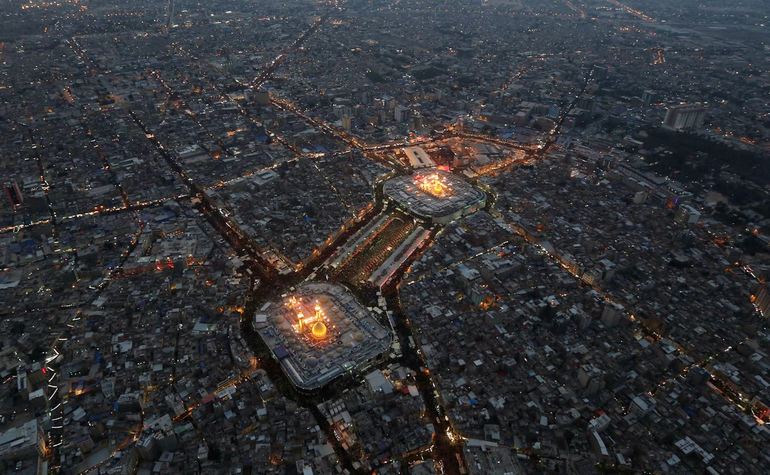
- An army was dispatched to capture or kill Hussain (رضي الله عنه) and his caravan. They cornered him and restricted his movements. He reminded them of their invitation and showed them their letters. But they refused to acknowledge those letters. He asked them for respite of the night preceding Aashura. This happened to be the night preceding Friday. He instructed his caravan to spend the night in worship and in supplication. He busied himself in worship as well. He instructed his sister Zainab (رضي الله عنه) not to lament after his martyrdom, because martyrdom would be a source of elevating ranks for him.
- He lied down for a while and saw in a dream his grandfather, the prophet (peace and blessings of Allah be upon him). He instructed him to be patient and informed him that he will soon be joining him.
- The following morning, the army attacked the caravan. Hussain’s (رضي الله عنه) family and friends defended him but they were outnumbered. The opposing army consisted of four thousand well-armed soldiers, whereas the caravan consisted of no more than a hundred males, some children and ladies of the household. They were being slain one after the other. Hussain (رضي الله عنه) was brave like his father and he too was fighting until he was left alone. They had been defending from morning until the afternoon until the time of Jummah beckoned. Due to being travellers they had to pray Zohar. Hussain (رضي الله عنه) asked for respite so that they may perform Salah, but they refused and he prayed Zohar salah with indication (ishaarah).
- At this point he was extremely thirsty and wanted to drink some water from the river nearby. However, when he approached the water, one wretched person shot an arrow at him and thus prevented him from drinking. He became extremely weak due to the blood which was seeping from his wounds and at this juncture, a curse came out of his lips. He said, “May you also die with thirst”. And it so happened that the assailant died from an illness which made him thirsty and no matter how much water he drank his thirst wouldn’t go.
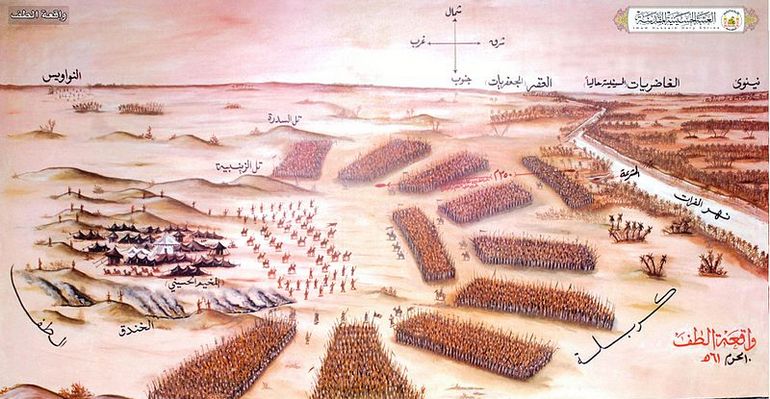
- No single person had the courage to attack him out rightly. They would approach him in batches, shoot arrows from a distance and then flee when he would turn towards them. They decided to ambush him collectively. It was then that Shimr Zil Jawshan struck his head and others severed it from his body. Some vile individuals trampled over his slain body with their horses. Inna lillallahi Wa Inna Ilayhi Raajioon.
- Hussain (رضي الله عنه) gave his precious life in order to establish Haqq (truth). He did not surrender to falsehood even though they did make proposals and promises. The oppressors did not stop with him, they even attempted to kill the children as well. Imam Zainul Abideen was ill and unable to take part. He was therefore kept in the tent with the ladies. The enemies did barge in the tents and attempted to kill him but his aunt Zainab grabbed hold of him and shouted at them upon which they retreated.
- Hussain’s (رضي الله عنه) severed head was taken to Ubaidullah Ibn Ziyad, the governor of Kufa. He touched the lips with a stick in his hand and praised the beauty of the face. One elderly sahabi who was present could not take it and remarked, “Don’t do that! I have seen the Prophet Sallallahu Alayhi Wasallam kissing that face”.
- Then the severed head and the family members were sent to Yazeed in Damascus. He showed some remorse upon the killing. Allah knows how genuine he was. He sent the family back to Madinah Munawwarah.
- Allah’s (ﷻ) decree is astonishing. Exactly 6 years later, Ubaidullah Ibn Ziyad was killed on the same day of Aashura in the year 67AH. His severed head was brought before Mukhtar Ibn Abi Ubaid ath-Thaqafi. The people saw a small snake come out of his mouth and then go back through the nose. It did this for a while and then disappeared inside.
- The Ahle Bayt remained extremely calm despite the tragic passing away of Hussain (رضي الله عنه) and many of their relatives. When they returned to Madinah Munawwarah, there were cries of grief from everywhere.
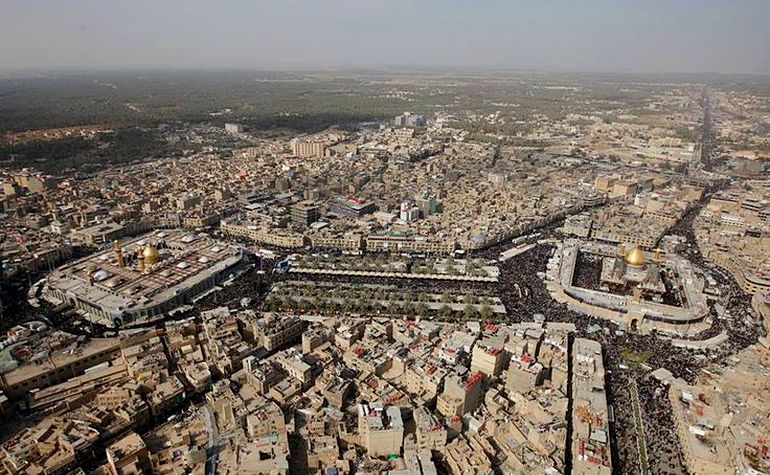
- Yazeed and the murderers did not last long. The murderers all spent the rest of their lives in a terrible state, and died very quickly. Yazeed also died within just 3 years. May Allah Ta’ala deal with him in the manner he deserves.
- Abdullah bin Abbas (رضي الله عنه) was in Makkah at the time of the martyrdom of Hussain (رضي الله عنه). He was resting when he saw the Prophet (peace and blessings of Allah be upon him) in a dream. His hair appeared dishevelled and he had a bottle of blood in his hands. Upon Ibn Abbas’s enquiry, the Prophet (peace and blessings of Allah be upon him) replied, “I have just been to the place where Hussain was martyred. I collected this blood to present in the court of Allah on the Day of Judgement”.
- Abu Uthman Nahdi migrated from Kufa to Basra, saying, “I can’t stay in a city which murdered the grandson of the Prophet (peace and blessings of Allah be upon him)”. Another Tabi’ee said, “If I was among the army that murdered Hussain, and I was allowed to enter Jannah… I would still feel ashamed of myself”.
- Some narrations say that the sky suddenly turned black on that fateful day in Karbala. Some also narrate that, in Bayt al-Maqdis, when a stone would be turned, they would see blood beneath it. [Isaba]
- It was a huge tragedy. Imam Shafi’ee (رحمه الله) has composed poetry in relation to the martyrdom of Hussain (رضي الله عنه) in which he declares his total innocence. He says:
“Slaughtered for no reason. His shirt was so red as though it was dyed with red colour.
The world shook apart for the family of Muhammad.
The massive mountains were close to melting.
How Ajeeb? People send peace & blessings upon the Prophet from Banu Hashim and then kill his children!” - The Ahle bayt carried on with their lives. The Ummah moved on. The assailants suffered in this world as they will do so in the hereafter. It is pointless to keep on wailing and lamenting upon this tragedy. There are many innovations and fabrications present today concerning the martyrdom of Hussain (رضي الله عنه) that we should not take part in or admire. Rather, we should take lessons from the sacrifices of the Prophet (peace and blessings of Allah be upon him), his family and companions and bring them into our lives.
References: Shaykh Abdul Raheem Limbada
]]>(more to follow)
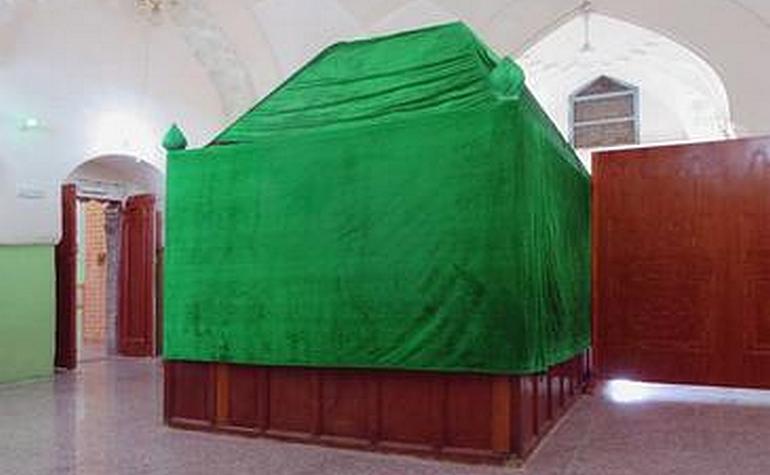
References: Wikipedia
Note that this entry has been shown for information purposes only. On no account should anybody pray to a grave or seek supplication through them as this is tantamount to committing shirk, associating partners with Allah (ﷻ)
]]>